
₹4,000 Annual Aid for Landless Farmers: Government Announces Major Relief for Rural Workers
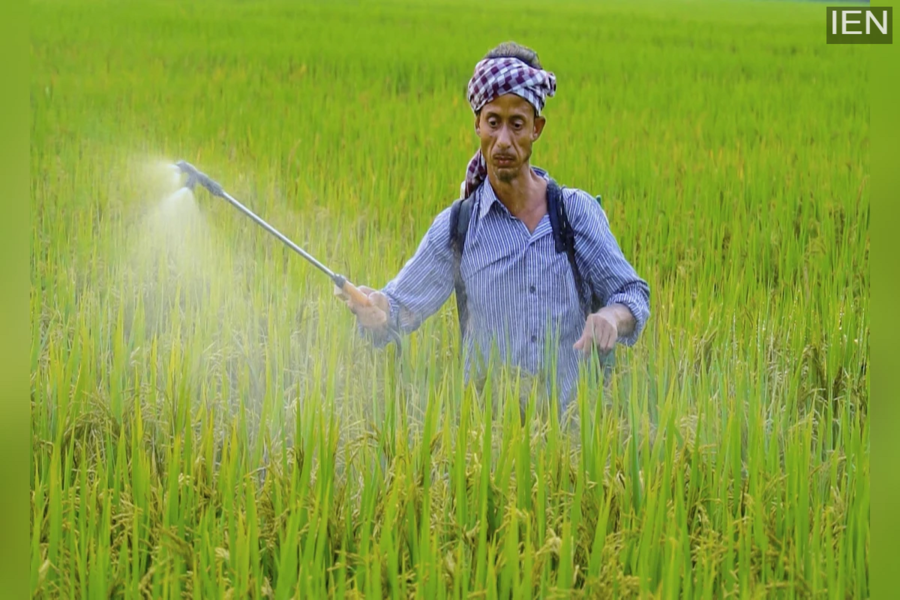
In a significant move aimed at supporting vulnerable agricultural workers, the government has announced a new financial assistance scheme for landless farmers. Often described as the backbone of India’s rural economy, farmers without land ownership have historically remained outside the benefits of many agriculture-focused welfare programs.
Recognizing this gap, the Chief Minister has introduced a targeted initiative that promises direct monetary support to families dependent on farm labour but lacking agricultural land. The announcement is being seen as a major step toward inclusive rural development.
What Is the New Scheme?
The newly unveiled program focuses specifically on landless agricultural families who rely on daily farm work for their livelihood. Under the scheme, eligible beneficiaries will receive ₹4,000 per year as direct financial assistance.
The amount will be transferred straight into the beneficiaries’ bank accounts through Direct Benefit Transfer (DBT), ensuring transparency and minimizing the risk of middlemen or leakages.
Officials say the objective is to provide a basic financial cushion to those who contribute significantly to the farming ecosystem but do not own farmland.
Why This Support Was Needed
Landless farm workers are among the most economically vulnerable groups in rural India. During events such as unseasonal rains, droughts, or crop failures, landowners often receive compensation or insurance benefits. However, agricultural labourers usually remain without any formal support.
The annual assistance of ₹4,000, though modest, can help poor families manage essential expenses such as:
-
Purchasing seeds or fertilizers
-
Meeting urgent household needs
-
Managing seasonal income gaps
Policy experts believe even small, predictable cash support can improve financial stability for low-income rural households.
Key Objectives of the Initiative
The scheme has been designed with multiple rural development goals in mind:
-
Reducing rural poverty among landless families
-
Providing a financial safety net to agricultural labourers
-
Boosting rural consumption, which can stimulate local markets
-
Recognizing the contribution of farm workers in the agricultural value chain
The government expects that direct cash support in workers’ hands will increase their purchasing power, indirectly benefiting village economies.
Who Is Eligible for the Benefit?
To ensure the aid reaches the intended population, certain eligibility conditions have been outlined. The scheme will primarily cover:
-
Families fully dependent on agricultural labour
-
Households with no agricultural land ownership
-
Verified beneficiaries identified through local administrative surveys
Local authorities will conduct field verification and prepare a transparent beneficiary list. Only those meeting the criteria will receive the annual payment.
Implementation and Monitoring
Officials have indicated that district administrations will play a key role in identifying eligible households. The use of DBT is expected to improve accountability and reduce delays in payments.
Beneficiaries are advised to ensure:
-
Their bank accounts are active
-
Aadhaar and bank details are properly linked
-
They complete registration when the enrollment process opens
A Human-Centric Welfare Approach
The Chief Minister emphasized that every individual contributing to agriculture—whether landowner or labourer—deserves equal recognition. The scheme reflects a broader policy shift toward including the most marginalized workers in the development framework.
For landless farmers, the ₹4,000 yearly support may appear small on paper, but for many low-income families it could provide meaningful relief during difficult periods.
Final Word
If implemented effectively, this initiative has the potential to improve the financial resilience of millions of landless agricultural workers across rural regions. Awareness and timely registration will be crucial to ensure eligible families do not miss out.
Note: Beneficiaries should verify official guidelines and application procedures through their state government or local administration before applying.
