
₹26,000 Minimum Wage Demand Intensifies, Workers Seek 4% DA Hike Under 8th Pay Commission
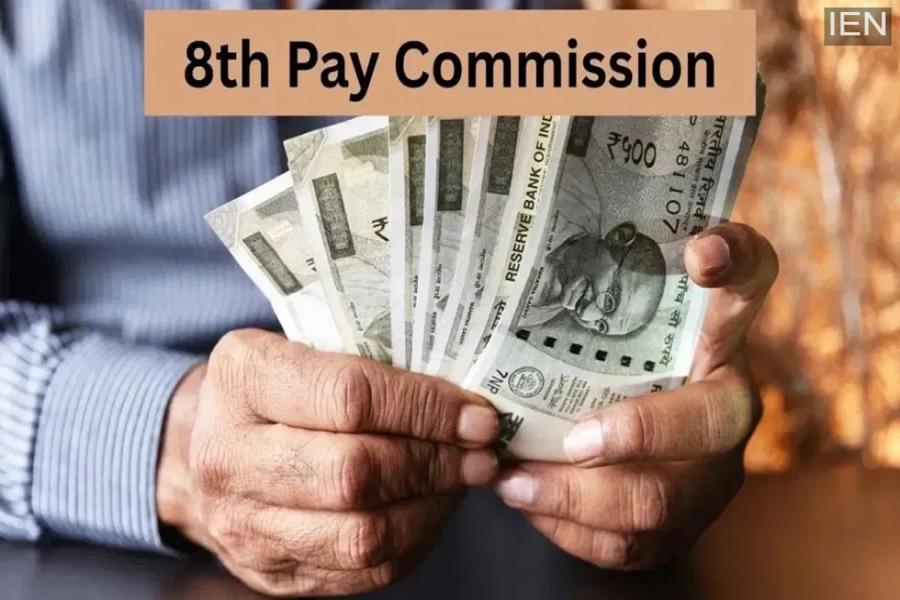
Amid rising inflation and growing concerns over unemployment, the demand for higher wages and better worker benefits has gained momentum across the country. The Centre of Indian Trade Unions (CITU) has now intensified pressure on the government by submitting a memorandum to the President, seeking major reforms related to minimum wages, dearness allowance (DA), labour laws, and privatization policies.
According to the workers’ organization, millions of labourers and employees are struggling to cope with increasing living expenses while their salaries and social security benefits remain inadequate. The union claims that despite continuous hard work, workers in several sectors are not receiving fair compensation that matches current economic conditions.
Demand for ₹26,000 Minimum Wage
One of the biggest demands raised by the organization is to increase the national minimum wage to ₹26,000 per month. Trade unions argue that the current wage structure is no longer sufficient due to the sharp rise in food prices, housing costs, healthcare expenses, transport charges, and education fees.
Labour representatives believe that workers in both organized and unorganized sectors deserve a salary structure that ensures a dignified standard of living. They say the proposed ₹26,000 minimum wage would provide some relief to lower-income households that are facing continuous financial pressure because of inflation.
4% DA Hike Demand Linked to 8th Pay Commission
The memorandum also includes a demand related to the upcoming 8th Pay Commission discussions. Worker groups have reportedly sought a 4% increase in Dearness Allowance (DA) to help employees manage rising inflation.
DA is revised periodically to reduce the impact of inflation on government employees and pensioners. Trade unions believe that with food and fuel prices remaining elevated, an additional hike in DA has become necessary to protect purchasing power.
The issue has become especially important as discussions around the 8th Pay Commission continue to attract attention from central government employees, pensioners, and labour organizations across India.
Opposition to Privatization and Labour Policies
Apart from wage-related demands, CITU has also criticized privatization policies and certain labour reforms introduced in recent years. The organization alleges that privatization in public sector units is affecting job security and reducing opportunities for permanent employment.
The union has urged the government to stop privatization of major public sector enterprises and withdraw what it describes as “anti-worker” labour laws. Worker representatives claim that some of the recent labour reforms weaken employee protections and make job conditions more uncertain.
Rising Inflation Becoming a Key Concern
Trade unions say inflation remains one of the biggest reasons behind the growing demand for wage revision. Essential household expenses have increased significantly over the past few years, making it difficult for low- and middle-income families to maintain their financial stability.
According to labour groups, higher wages and DA revisions are necessary not only for workers’ welfare but also for boosting consumer spending and economic growth.
Government Yet to Respond Officially
So far, the government has not issued an official response regarding the latest demands. However, discussions around wage revisions, DA increases, and the 8th Pay Commission are expected to remain in focus in the coming months.
With inflation and employment issues becoming major public concerns, worker unions are likely to continue pushing for stronger labour protections and higher financial support for employees across sectors.
