
Zero Balance? You Can Still Withdraw ₹10,000 – This Special PMJDY Facility Can Transform Your Emergency Planning
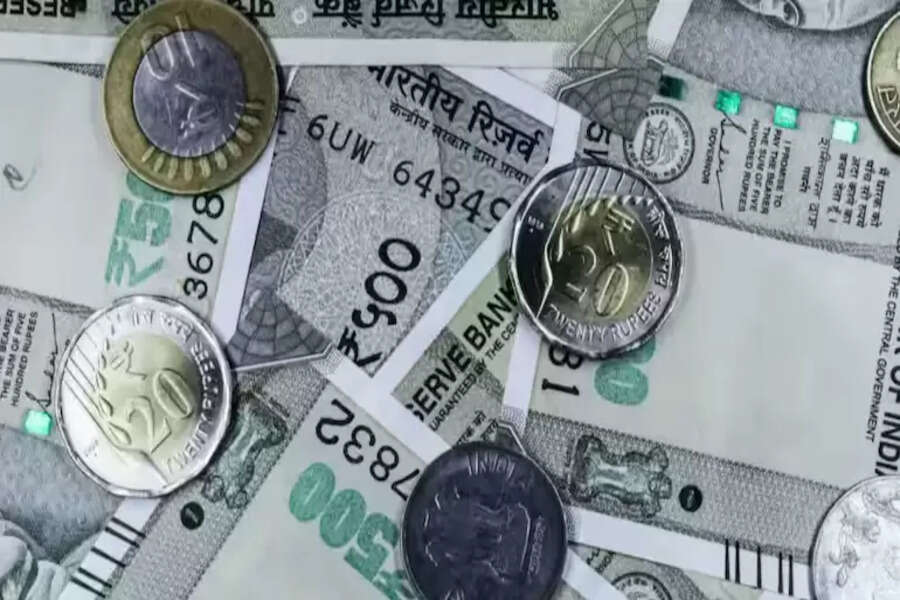
A bank account with absolutely no money, yet the option to withdraw ₹10,000 instantly—sounds unbelievable, but it is entirely possible under the Pradhan Mantri Jan Dhan Yojana (PMJDY). This zero-balance account, designed to bring millions into the formal banking system, offers an overdraft facility that has become a lifeline for low-income and middle-income households during emergencies. Here is a detailed, reader-friendly breakdown of how this special feature works and how you can use it wisely.
What Is the Overdraft Facility and How Does It Work?
An overdraft is a short-term credit facility that allows your bank account to go into negative balance. PMJDY accounts come with the unique benefit of no minimum balance requirement. Even if the available balance is zero, account holders can withdraw up to ₹10,000.
Here’s how it functions:
-
When you use overdraft, the bank temporarily lends you the money.
-
Once you deposit funds into the account later, the overdraft amount is automatically adjusted.
-
The interest charged is higher than a regular savings account, but the convenience makes it valuable during urgent situations.
Experts highlight that this feature eliminates the need for lengthy loan applications and offers quick access to emergency cash—making it one of the most practical financial tools for underprivileged households.
Major Benefits of PMJDY Overdraft
This special facility brings several significant advantages, especially for those with limited financial options:
1. Instant Financial Relief
Unexpected medical expenses, urgent travel needs, or sudden repairs can be managed immediately. No paperwork, no waiting time—just quick access to funds.
2. No Fixed EMI Pressure
Unlike personal loans, the overdraft does not require you to pay monthly instalments. You only repay when money flows into the account.
3. Insurance Coverage
PMJDY account holders receive complimentary accidental insurance coverage of up to ₹2 lakh on their RuPay debit card. This adds a valuable safety net for families with limited resources.
These benefits make the overdraft feature especially powerful for rural households, small earners, and those who often remain outside the traditional credit system.
Important Precautions and Risks
Though helpful, overdraft usage must be handled carefully. Financial advisors warn against excessive reliance on this facility for several reasons:
-
Higher Interest Rate: The interest charged on overdraft is typically higher than a normal savings account loan or secured credit.
-
Impact on Credit Health: Repeatedly using overdraft or leaving the account in negative balance for too long can affect your credit score.
-
Bank-Specific Rules: The overdraft limit and related charges differ from bank to bank. Timely repayment ensures that your account remains in good standing.
The key is to treat this facility as an emergency solution—not as a regular borrowing option.
A Boost to Financial Inclusion
The Pradhan Mantri Jan Dhan Yojana has successfully brought millions of previously unbanked citizens into the formal financial system. Features like overdraft availability, insurance coverage, and zero balance requirements have made banking more accessible and practical for all.
If you already have a Jan Dhan account, you can visit your branch to understand your eligibility for the overdraft facility. When used responsibly, this small credit line can become a powerful support system in times of need—helping you stay financially confident and prepared for emergencies.
