
You will no longer be able to get traffic challans cancelled by going directly to court; two steps must be completed first..
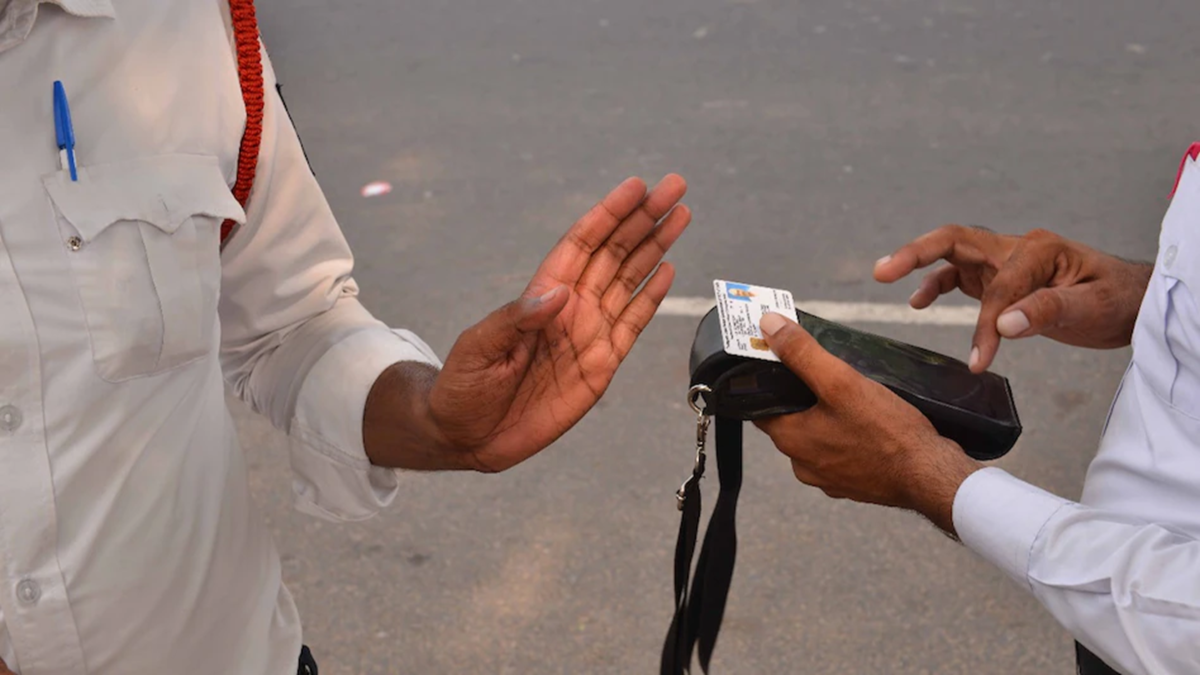
A major change has been introduced regarding the rules for cancelling traffic challans in Delhi. E-challans are issued to vehicles for traffic violations. Previously, motorists who believed a challan was incorrect could challenge it directly in court; however, this is no longer possible. Now, before approaching the court, the motorist must first challenge the challan before the relevant authorities. Essentially, a significant modification has been made to the procedure for challan cancellation.
**What has changed regarding traffic challans? ****
If a motorist receives an e-challan and believes it was issued erroneously, they might consider approaching the court. However, the rule allowing a direct appeal to the court has been altered. Under the new regulations, an appeal against the challan must first be filed with the concerned authorities. These authorities will then examine the facts and evidence—such as camera footage or other digitally recorded data—associated with the challan. If the authority determines that the challan was issued incorrectly, it can be cancelled at that very stage.
If the authority does not cancel the challan and the motorist remains dissatisfied with the decision, they may proceed to the court in the next stage. However, even then, the motorist cannot simply approach the court without meeting specific requirements; the rules have been modified in this regard as well.
**50% of the challan amount must be deposited for the hearing**
If a motorist wishes to challenge a challan in court, they must deposit 50% of the challan amount prior to the hearing. The court will hear the case only after this amount has been deposited. For instance, if the challan amount is ₹3,000, you must deposit ₹1,500 with the court beforehand; the court will hear the matter only after this payment is made.
**What happens to the deposited 50% amount?**
Regarding the 50% amount deposited before the court hearing—it is not that the money will be lost; this is merely a procedural condition. If, following the hearing, your challan is found to be incorrect, the 50 percent amount you deposited will be refunded. Conversely, if the challan is found to be valid, you will be required to deposit the remaining 50 percent of the challan amount.
Disclaimer: This content has been sourced and edited from NDTV India. While we have made modifications for clarity and presentation, the original content belongs to its respective authors and website. We do not claim ownership of the content.
