
You might still receive an electricity bill even if your house is locked up; find out why and how to avoid it.
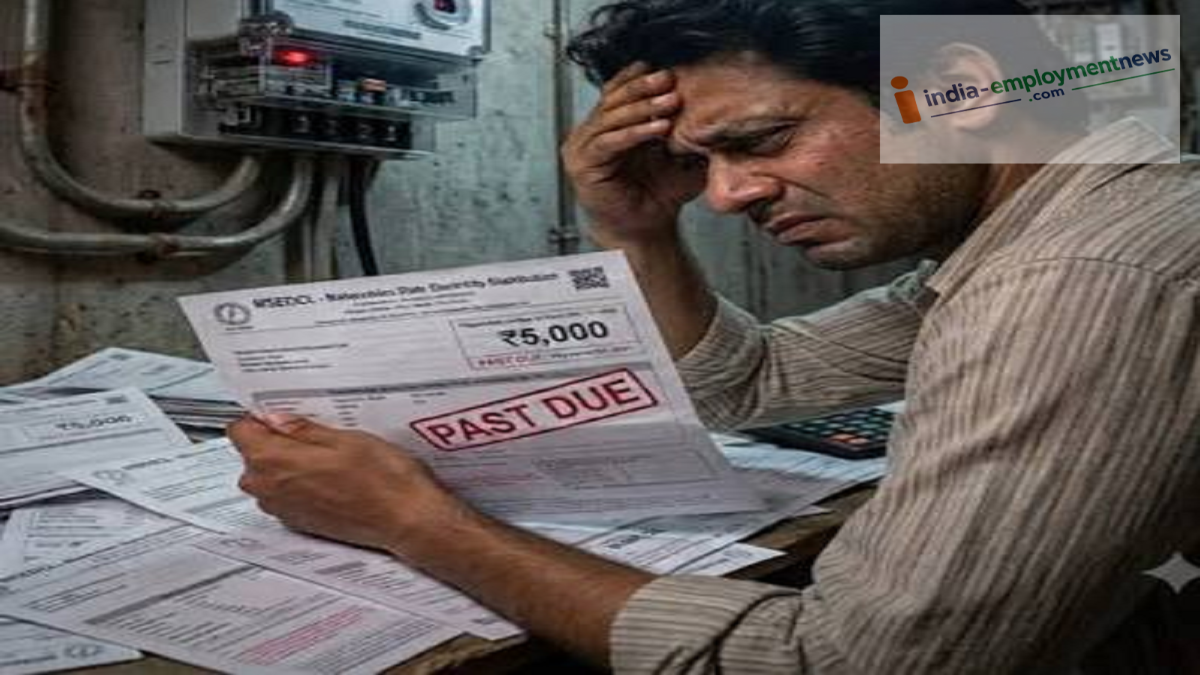
If your house has been locked up for a long time but you are still receiving electricity bills, do you know the reason behind this and how to avoid such charges? If not, read on.
If you are facing a situation where you receive electricity bills despite your house being locked up for an extended period, there could be several reasons for it. Many people assume that if a house is unoccupied for a long time, there is no question of an electricity bill; however, that is not the case. Certain electrical appliances consume a small amount of power even when switched off, leading to a bill. Additionally, bills may include fixed charges.
What causes the bill?
Some household appliances—such as set-top boxes, air conditioners, and televisions—remain in "standby mode" even after being turned off via remote control, consuming a small amount of electricity. Power is also consumed if the refrigerator remains running or the Wi-Fi router stays on constantly. Crucially, leaving laptop and phone chargers plugged in all the time can also lead to electricity consumption.
Bills can also arise from fixed charges.
If the house is locked and no electricity is being actively used, yet a bill still arrives, it could be due to the inclusion of minimum or fixed charges. Consequently, a bill of zero is not guaranteed even if the house is unoccupied; these fixed charges can still result in a bill.
Steps to take if closing up the house for a long period.
If you are traveling abroad or going out of town for an extended period, make sure to attend to a few important tasks beforehand. Turn off the main switch before leaving your home.
Unplug appliances such as phones, laptops, TVs, or refrigerators.
Additionally, turn off the Wi-Fi router before you go out.
