
You can instantly identify high levels of sugar, salt, and fat in chips, biscuits, and soft drinks—just check the color code before buying.
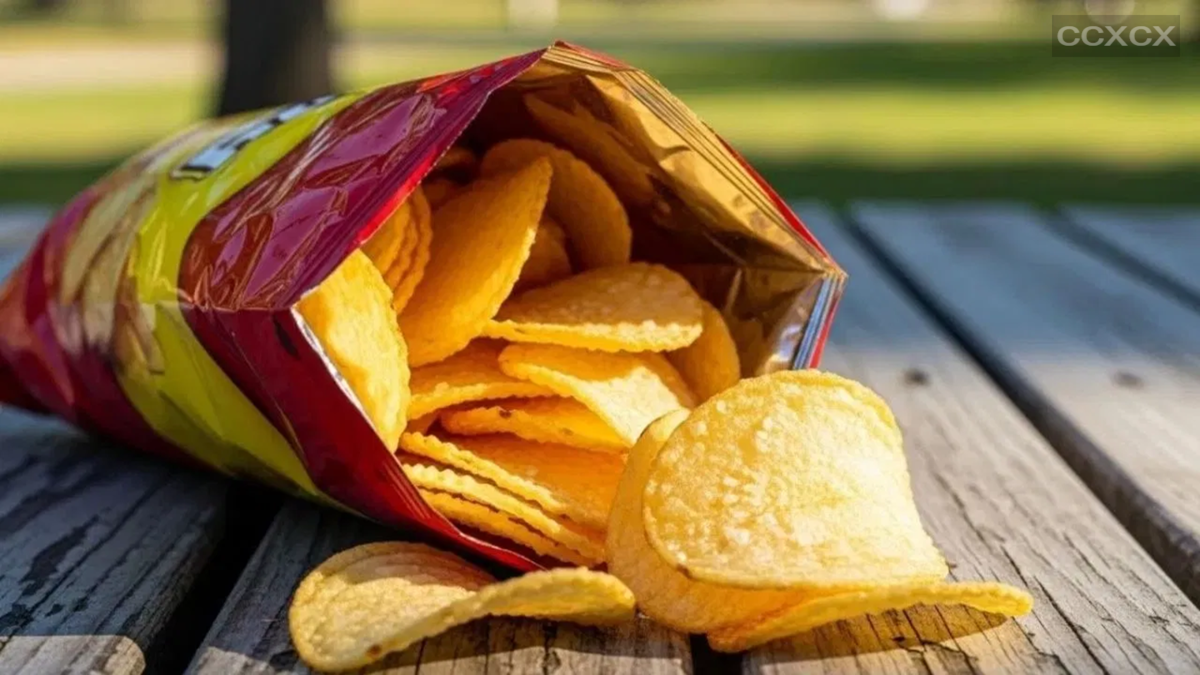
If you are a fast-food enthusiast but also conscious of your health, there is good news for you. The Food Safety and Standards Authority of India (FSSAI) is set to adopt the 'Canadian model' for packaged foods. Under this initiative, packaged food companies will be required to affix a red hexagonal warning label on products containing high levels of sugar, fat, and salt. This means that the moment you see this red label, you will recognize that the product is potentially harmful to your health, allowing you to easily avoid it.
To curb rising obesity, diabetes, and heart-related ailments in the country, the FSSAI has introduced a major regulatory change for the packaged food industry. Under the new FSSAI proposal, any packaged food item sold in the market containing sugar, saturated fat, or salt (sodium) levels exceeding prescribed limits must display a red hexagonal warning label on the front of the package. This system is primarily based on the Canadian model.
This new label proposed by the FSSAI will clearly indicate to the consumer—right on the front of the package—which nutrients present in the product exceed the safe limits and could be harmful to the body.
**New Labeling System Based on the Canadian Model**
Many developed nations, including Canada, use black or red warning symbols to alert consumers about harmful ingredients in packaged foods. The new label proposed by the FSSAI will clearly inform the consumer—on the front of the package—which nutrients exceed the prescribed limits and pose a health risk. It will be a red, six-sided (hexagonal) sticker, making it easily identifiable to customers even from a distance. If chips, biscuits, savory snacks, or aerated drinks contain high levels of sugar or salt, they will bear a clear warning label stating "High in Sugar" or "High in Salt/Saturated Fat."
**Why FSSAI felt the need for this stringent measure:**
To provide the general public with transparent and accurate information regarding the health impact of products at the time of purchase; to reduce the risk of early-onset diabetes, high blood pressure, and heart disease; and to encourage food manufacturers—motivated by the prospect of warning labels—to voluntarily reduce the levels of sugar, salt, and unhealthy fats in their products.
**Impact on consumer health:**
Previously, most people did not read the fine-print nutrition tables on the back of food packages; however, the presence of a prominent red warning mark on the front of the pack will enable children and parents to easily distinguish between healthy and harmful food items. Furthermore, this move will curb the consumption of preservatives and junk food in daily diets, allowing patients with diabetes and high blood pressure to select products that align with their health needs.
Disclaimer: This content has been sourced and edited from NDTV India. While we have made modifications for clarity and presentation, the original content belongs to its respective authors and website. We do not claim ownership of the content.
