
With silver becoming expensive, this white metal is trending. How to identify real from fake?
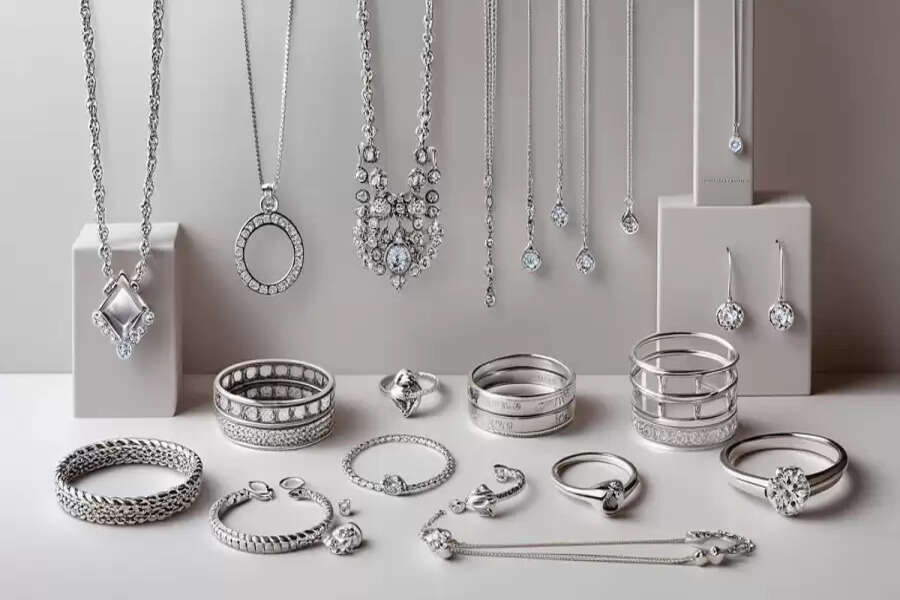
As a result, people are now turning to metals that look like silver but are cheaper. One of these is German silver, which is quite trendy these days. It looks exactly like silver.
Silver has always been considered auspicious, sacred, and precious in India. It holds special significance in religious ceremonies, weddings, jewelry, utensils, and decorations. However, in recent times, the price of silver has increased so much that it's not easy for everyone to afford it. Therefore, people are now turning to metals that look like silver but are cheaper. One of these is German silver, which is quite trendy these days. It looks exactly like silver, but in reality, the two are different. So, let's learn what German silver is, why it's trending, and how to identify real from fake silver.
German silver does not contain any real silver. It is an alloy composed of approximately 60 percent copper, 20 percent zinc, and 20 percent nickel. Its color is silvery white and shiny, which is why people often mistake it for real silver. German craftsmen created it in the 19th century as a cheaper alternative to silver, and that's how it got its name, German silver.
Real silver is usually called sterling silver. It contains 92.5 percent pure silver. The remaining 7.5 percent is copper or other metals. It often has a 925 stamp on it. Real silver is very shiny, soft, hypoallergenic, and considered a precious metal. But this is also why it is expensive.
Nowadays, the price of silver is constantly increasing. Wedding, festival, and gift expenses are already high. In such a situation, people want a silver-like look at a lower price. This is where German silver emerges as the best option, as it looks like silver, is much cheaper, more durable, and perfect for everyday use. Therefore, German silver is widely used these days in jewelry, religious items, utensils, and decorative objects.
You can distinguish between real silver and German silver at home using a few simple methods. For example, check for hallmarks. Real silver is marked with 925, 999, or Sterling. German silver is marked with EPNS, NS, Alpaca, GS, or may have no markings at all.
Real silver is not magnetic. German silver, however, may have a slight magnetic effect. Real silver feels heavier for its size. German silver is lighter. Also, real silver may leave a black mark when rubbed on a white cloth, but German silver does not.
With proper care, German silver can maintain its appearance for years. To care for German silver, keep it away from water and chemicals, avoid spraying perfume directly on the jewelry, wipe it with a dry cloth after use, store it in a dry place in a box, and occasionally clean it with a soft polishing cloth.
