
Wired or Wireless Security Camera? Which is more secure and which offers better value?
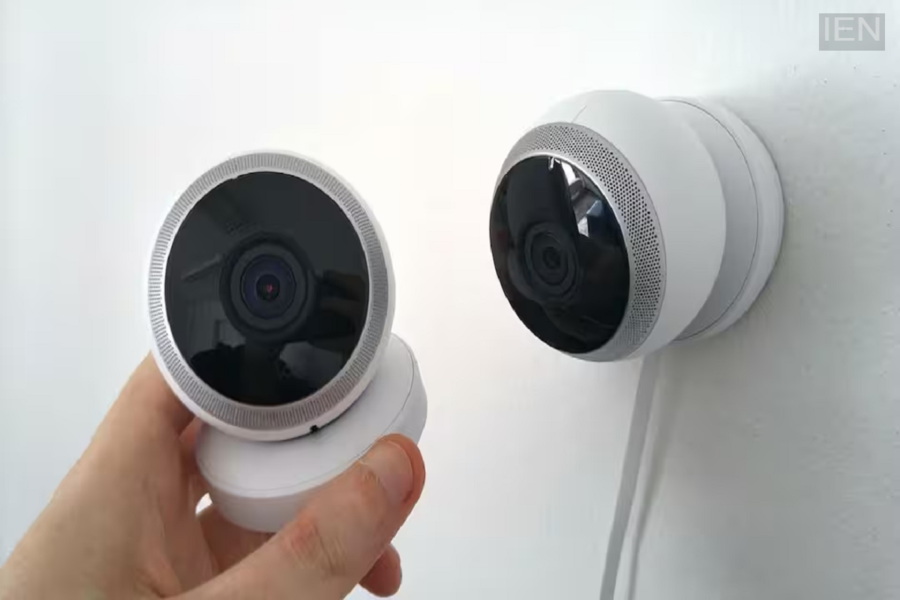
Wired vs. Wireless Security Camera: If you require long-term surveillance for your office, home, or any other location, a wired camera could prove to be the better choice.
Wired vs. Wireless Security Camera: Security cameras have become a necessity for protecting homes and offices. Until a few years ago, buying a camera was straightforward because most systems were wired and installed by professionals. However, the rising popularity of wireless cameras in the market has presented customers with a wide range of options.
Wireless cameras are easy to install. Additionally, they offer smart features and are very user-friendly. In contrast, wired cameras are preferred for reliable surveillance and continuous recording. This raises the question: which one is better? Let’s find out which option is best for you.
Why choose a wired security camera?
If you require long-term surveillance for your office, home, or any other location, a wired camera could prove to be the better choice. These cameras connect directly to a power source and the recording system, eliminating the need for battery charging. Once installed, they operate for extended periods with minimal maintenance.
However, there is a significant challenge involved: the installation process is quite complex. Laying cables may require work on walls, ceilings, or exterior areas. Often, professional assistance is needed, which increases the cost. Furthermore, relocating the camera can be difficult.
Why are wireless security cameras gaining popularity?
The greatest advantage of wireless cameras is convenience. They do not require complex technical wiring for installation. Most models connect directly to your home Wi-Fi network and are up and running within minutes via a mobile app.
Wireless cameras offer several advantages, such as:
Easy and quick installation
No need for drilling or wiring
Can be easily relocated if needed
Smartphone notifications and remote monitoring
Smart features like cloud storage and two-way audio
There are some downsides, too:
Battery-operated models require periodic charging. Furthermore, their performance relies heavily on the Wi-Fi signal. If a camera is installed in an area with a weak network, there is a risk of recording delays, connectivity issues, or missed footage.
Who are they best suited for?
Tenants living in rented homes
Apartment dwellers
Users of smart home devices
DIY (Do-It-Yourself) users
Which offers more storage?
This is an aspect many buyers overlook. Wired camera systems typically save recordings to local storage via a DVR or NVR; consequently, there is usually no need for monthly fees once the system is installed.
On the other hand, many wireless cameras offer cloud storage services. While some models do support local storage, accessing advanced features may require a monthly subscription.
