
Will You Get an LPG Gas Cylinder Sooner in the City or the Village? Find Out What the Rules Say
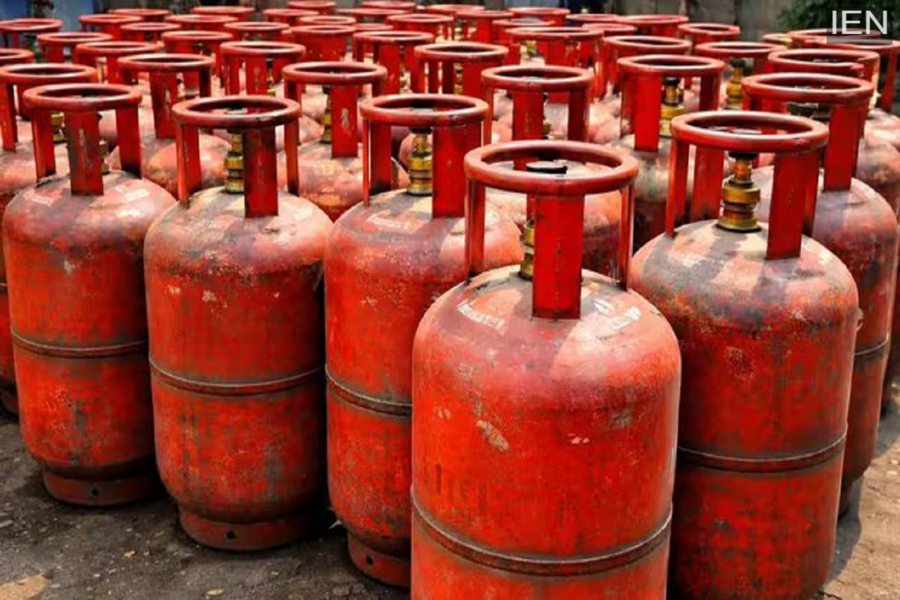
LPG Gas Cylinder Refill Rules: There are distinct systems in place for the supply of LPG cylinders in urban and rural areas. Given the differences in delivery times and booking intervals, questions often arise in people's minds. Here is what the government's rules stipulate.
LPG Gas Cylinder Refill Rules: A major question regarding cooking gas has been on people's minds lately: Who gets the cylinder first—those in the city or those in the village? Amidst rising demand and recent policy changes, the government has established specific rules regarding booking and supply to ensure that gas reaches every location equitably. Consequently, it becomes essential to understand the actual differences between urban and rural areas, and who is more likely to receive their gas supply—and when. Read on to learn the specific rules governing this process.
What Are the Rules in the City?
In urban areas, gas supply is generally considered to be faster and more organized. These areas typically have a higher density of connections and a robust distribution network; therefore, delivery issues are infrequent.
In cities, a minimum waiting period of 25 days is mandatory before making a subsequent booking.
Deliveries are typically completed within 2–3 days after a booking is made.
Delays are minimal due to the strength of the supply chain.
In essence, the speed at which cylinders are received is higher in cities. If you have booked your cylinder on time, you generally do not have to endure a long wait. This is precisely why urban consumers tend to receive their gas supplies with relative ease.
Does It Take Longer in Villages?
The situation differs slightly in villages and remote areas. Here, the delivery network is not as robust, and transportation logistics emerge as a significant factor.
In rural areas, a mandatory gap of 45 days has been stipulated before a subsequent booking can be made.
In many locations, deliveries are delayed due to road conditions and geographical distances.
Priorities are also established in instances where the gas supply is limited.
This, however, does not imply that villages are deprived of gas supplies. Rather, a longer timeframe has been allotted to ensure that the supply remains balanced across all regions. The government's objective is to ensure that gas reaches every area and to prevent any single location from hoarding excessive stock.
So, Who Ultimately Receives the Cylinder First? In a direct comparison, gas tends to reach cities more quickly. However, this does not imply that rural areas are being sidelined. The actual difference lies in regulations and logistics. The government's current focus is on equitable distribution to ensure that no region faces a shortage. All in all, if you reside in a city, you are likely to receive a cylinder sooner, whereas those in villages may have to wait a little longer.
