
Will LPG, ATM cash withdrawals, and electronics (TVs/ACs) become costlier? Rules changing from October 1; here’s how it affects your pocket
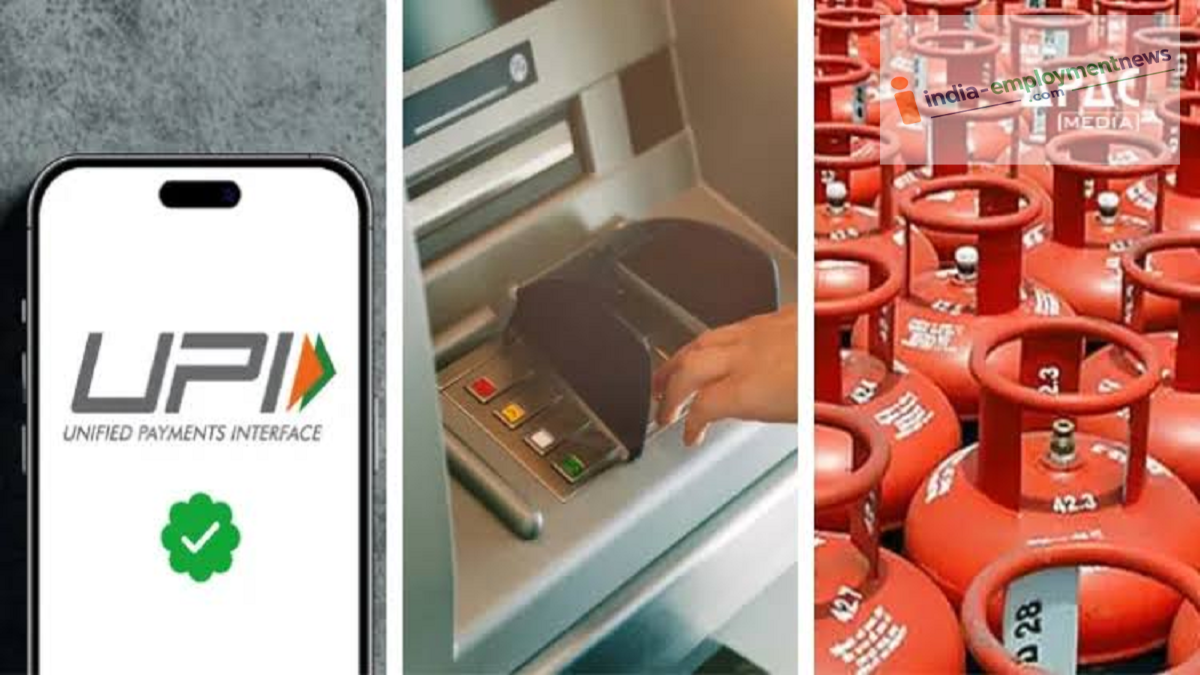
October Rule Changes: Major changes regarding LPG, SBI ATMs, Fixed Deposits (FDs), and property purchases are coming into effect on October 1. Find out how this will impact your finances. These new rules could influence your savings and expenses.
As October begins, there is talk of changes ranging from LPG prices and banking regulations to the cost of electronics—all of which could directly affect your budget.
With September drawing to a close, a new month begins on October 1. As is customary, oil companies will review LPG and aviation fuel prices; additionally, there may be changes related to banking, taxes, and other regulations.
Potential changes to LPG cylinder prices and rules
- Oil marketing companies typically review and adjust LPG cylinder prices on the first of every month. Consequently, new rates for domestic and commercial cylinders could be announced on October 1.
- Currently, the price of a 14.2 kg domestic LPG cylinder is ₹942 in Delhi, ₹968 in Kolkata, ₹941.50 in Mumbai, and ₹957.50 in Chennai.
- Prices could rise, though the exact cost for October will only be known after an official announcement by the companies.
- There is also talk of making Aadhaar-based biometric authentication or e-KYC mandatory for LPG subsidies starting this month.
- Furthermore, reports suggest that the system of verifying customer identity via an OTP sent to their mobile phone at the time of LPG delivery—already in use in some areas—will be implemented on a wider scale starting October 1.
Cash withdrawals from ATMs could become costlier for SBI customers
- If you hold an account with the State Bank of India (SBI), the changes taking effect on October 1 are significant for you as well. According to reports, the limit for free ATM withdrawals is set to expire for certain accounts, after which additional charges may apply.
- Specifically, Basic Savings Bank Deposit (BSBD) accounts opened at branches currently offer a facility of four free withdrawals per month. Beyond this limit, starting October 1, a charge of ₹15 plus applicable GST may be levied on each additional ATM withdrawal transaction.
- Meanwhile, changes regarding free ATM transaction limits are also in store for SBI salary account holders. Once the prescribed free limit is exhausted, a fee of ₹23 plus GST may apply to ATM cash withdrawals. Similarly, exceeding the free limit for non-financial transactions could incur a charge of ₹11 plus GST.
Greater Transparency in FD Interest Rate Information
- New rules effective from October 1, 2026, are significant for customers investing in Fixed Deposits (FDs). The Reserve Bank of India (RBI) has directed banks to clearly disclose FD interest rates and related information to customers.
- Under the new regulations, banks must regularly update FD interest rate information on their websites. It has been mandated that interest rate details be updated daily by 10:00 AM, enabling customers to easily view the applicable rate for the day before investing.
- Furthermore, banks will not be permitted to make arbitrary distinctions in interest rates for FDs of the same tenure and category accepted on the same date. In other words, there should be no discrimination regarding interest rates for customers holding deposits with identical terms.
- Changes have also been proposed regarding the rules governing interest on bulk deposits (large-value deposits). Banks will be required to adhere to prescribed guidelines concerning the application of interest rates and associated terms for such deposits.
- This change is likely to directly benefit customers who compare interest rates across different banks before opening an FD.
TDS Process to Change for Those Buying Property from NRIs
- If you are planning to purchase property from an NRI (Non-Resident Indian), rules regarding TDS (Tax Deducted at Source) effective from October 1, 2026, could be significant for you. The Income Tax Department has introduced provisions to simplify the TDS process for such property purchases.
- Under the new changes, resident individuals and Hindu Undivided Families (HUFs) purchasing immovable property from NRIs will not require a separate Tax Deduction Account Number (TAN) for TDS-related procedures. Instead, buyers will be able to use their PAN to deduct TDS, deposit it with the government, and complete the filing requirements.
- This change is expected to reduce paperwork for those buying property from NRIs and streamline the TDS process compared to the current system. However, specific conditions regarding property value, TDS rates, and other tax stipulations may apply depending on the individual case.
Keep an Eye on Birth and Death Certificate Rules Too
- Changes to the rules governing birth and death registration are being discussed, with implementation expected from October 1, 2026. The process could become significantly stricter, particularly for those registering after the prescribed deadline.
- Under the current system, births or deaths must generally be registered within 21 days. Applications submitted after this period are classified as "delayed registrations" and may require additional procedural steps.
- According to reports, provisions involving fines and additional documentation requirements could be enforced for registrations made after the 21-day window. In some instances, an affidavit explaining the reason for the delay might also be required.
TVs, Fridges, and ACs May Become Costlier
Reports indicate that prices of televisions, refrigerators, air conditioners, and other electronic appliances could rise ahead of the festive season. Companies may adjust prices due to increases in the cost of raw materials, transportation, and other operational expenses.
Some reports suggest a potential price hike of up to 8%, though the impact may vary across different companies and products.
