
Will chips and cold drinks no longer be sold within 50 meters of schools? FSSAI proposes a ban
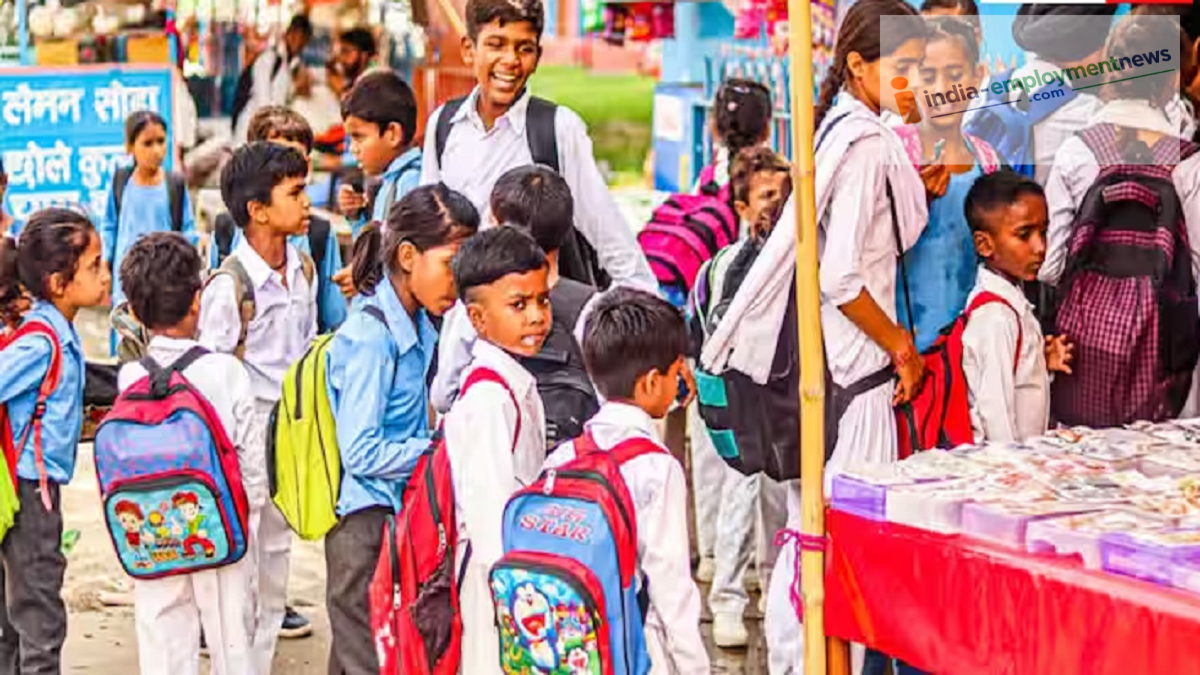
The Food Safety and Standards Authority of India (FSSAI) is working on a proposal to restrict the sale of food items containing high levels of fat, salt, and sugar within a 50-meter radius of schools.
The sale of food items commonly found near schools—such as chips, cold drinks, chocolates, samosas, pizzas, and burgers—could be banned. The FSSAI is formulating a proposal to restrict the sale of foods high in fat, salt, and sugar—collectively known as HSS foods—within 50 meters of school premises.
This proposal could impact shops, restaurants, and food stalls located near approximately 1.5 million schools across the country. However, the rule has not yet been implemented. In August, the FSSAI released a proposal regarding limits on fat, salt, and sugar content in HSS foods and invited public suggestions on the matter until October 6.
According to FSSAI Chief Executive Officer Rajit Punhani, the objective of this initiative is to steer children away from unhealthy eating habits at an early age. The proposal aims to reduce children's easy access to such food items both inside and around schools. The FSSAI states that shopkeepers may continue to sell non-HSS food items. Another objective of the proposal is to encourage companies to modify the recipes of their products.
Currently, products such as chips, sugary drinks, chocolates, instant noodles, samosas, burgers, and pizzas are easily available near schools. Products containing fat, salt, or sugar levels exceeding the prescribed limits could fall under the purview of this new proposal. Some shopkeepers operating near schools in Bhubaneswar have expressed concern regarding this proposal. They argue that a ban on sales could lead to a significant decline in their business.
Meanwhile, Maharashtra has adopted even stricter measures regarding HSS (High in Fat, Salt, and Sugar) food products near schools. According to the Food Safety Commissioner, stocking such products in shops located within a 50-meter radius of schools is prohibited. State data reveals that during inspections, 133 shops within 50 meters of schools were found to be violating regulations; 51 of these were ordered to shut down operations.
Trade associations have also voiced concerns about the proposal. The Confederation of Indian Food Trade and Industry stated that many schools are situated in congested market areas where shops cater not only to students but also to the general public, making compliance and monitoring difficult. The organization also expressed concern that such restrictions could impact the businesses and livelihoods of shopkeepers. Additionally, some food companies have cited their global nutrition policies regarding the sale of products in schools.
Rising childhood obesity is a key factor driving this proposal. Data from the World Obesity Federation indicates that the number of overweight or obese children aged 5 to 19 in India rose from 28 million in 2015 to approximately 41 million in 2025. It is projected that this figure could reach 56 million by 2040.
Many countries worldwide have implemented various restrictions on the sale of junk food both inside and around schools. It is worth noting that the proposal to ban the sale of HSS food products near schools first emerged in 2020, yet no definitive timeline has been set for its implementation.
