
Why Solar Panels Generate Less Power: Pay Attention Today
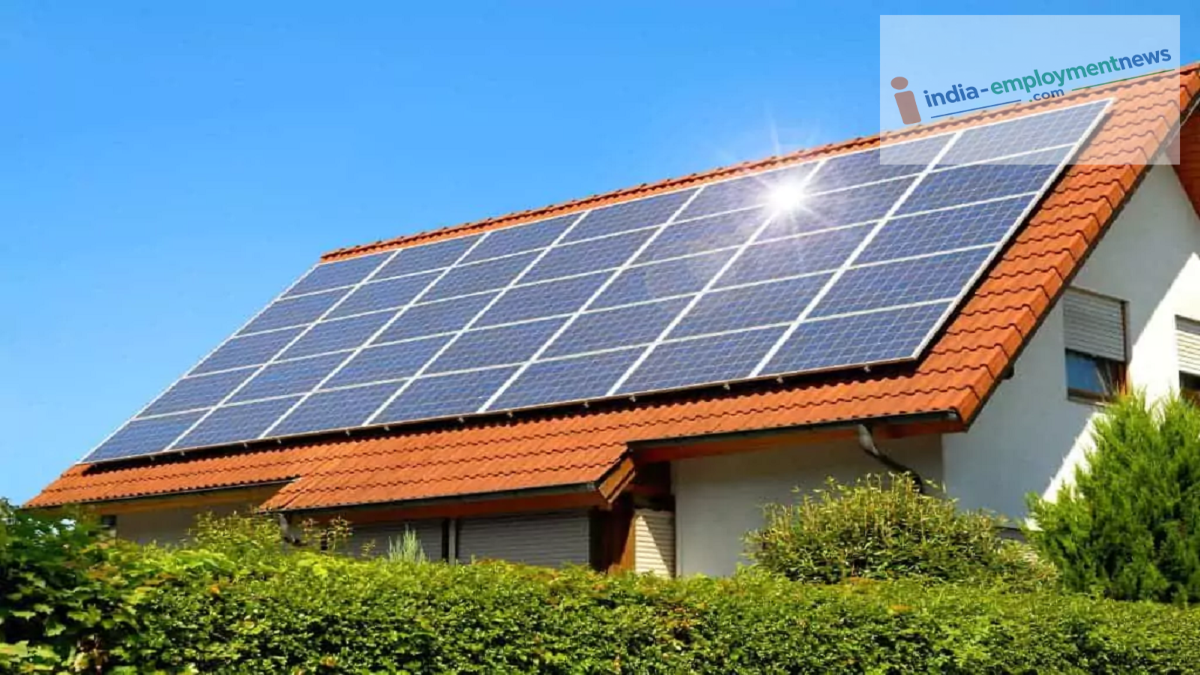
Solar Panel Efficiency: If solar panels suddenly start generating less electricity, a layer of dust and dirt could be the reason. This layer can reduce efficiency by up to 30 percent.
Solar Panel Efficiency: Installing solar panels at home means you won't have to worry about electricity bills. Solar panels not only save you money on bills but also serve as a clean source of energy. Once installed, they can meet all your home's energy needs. However, maintaining their efficiency is crucial. Some people fail to clean the panels after installation, which can lead to reduced efficiency.
Periodic cleaning of solar panels is essential. Neglecting this allows dust, dirt, and other grime to accumulate. This blocks sunlight, preventing the panels from generating electricity to their full capacity. Since they are installed in open areas, the accumulation of dust and dirt is a common issue. This problem is exacerbated if there is excessive dust in your area or if construction work is underway nearby.
You might not notice the layer of dust and dirt from a distance, but it can prove detrimental to the panels. It significantly impacts efficiency; the more dust and dirt that accumulates, the lower the efficiency becomes. This layer not only reduces efficiency but also affects the lifespan of the solar panels, making regular cleaning vital.
Data from various studies indicates that accumulated dust and dirt can reduce panel efficiency by 10 to 40 percent. A test conducted by MIT researchers revealed that if solar panels are left uncleaned for a month, their energy output can drop by as much as 30 percent. For instance, panels that could generate 10 units of electricity in a day when perfectly clean might only generate 7 units if left uncleaned for a month.
Research conducted in India indicates that the extent of the drop in energy efficiency depends on the type of solar panel. In the case of polycrystalline panels, a layer of dust and dirt can reduce efficiency by up to 30 percent. By comparison, the efficiency of monocrystalline panels drops by 14 percent. Nevertheless, this demonstrates that dust and dirt can impair the efficiency of all types of panels.
If energy output can drop by up to 30 percent after just one month without cleaning, one might wonder how detrimental it could be to neglect cleaning for a prolonged period. Various tests have revealed that failing to clean solar panels for six months can reduce their efficiency by as much as 65 percent. Whether you have an off-grid or on-grid system, a drop of 65 percent is significant.
To maintain solar panel efficiency and prevent a decline in energy output, regular cleaning is essential. You can clean the panels once a month; however, if your area is prone to heavy dust, cleaning them twice a month is advisable. You can clean the panels yourself or hire a professional.
Before you begin cleaning the solar panels, shut down the entire system. Then, use clean water and a soft cloth to wipe the panels without applying pressure, as excessive force can damage them. Also, choose the morning hours for cleaning when the panels are not hot. Avoid using any sharp or abrasive objects to clean the panels.
