
Why have RAM prices suddenly surged? Find out the reason behind the costlier memory.
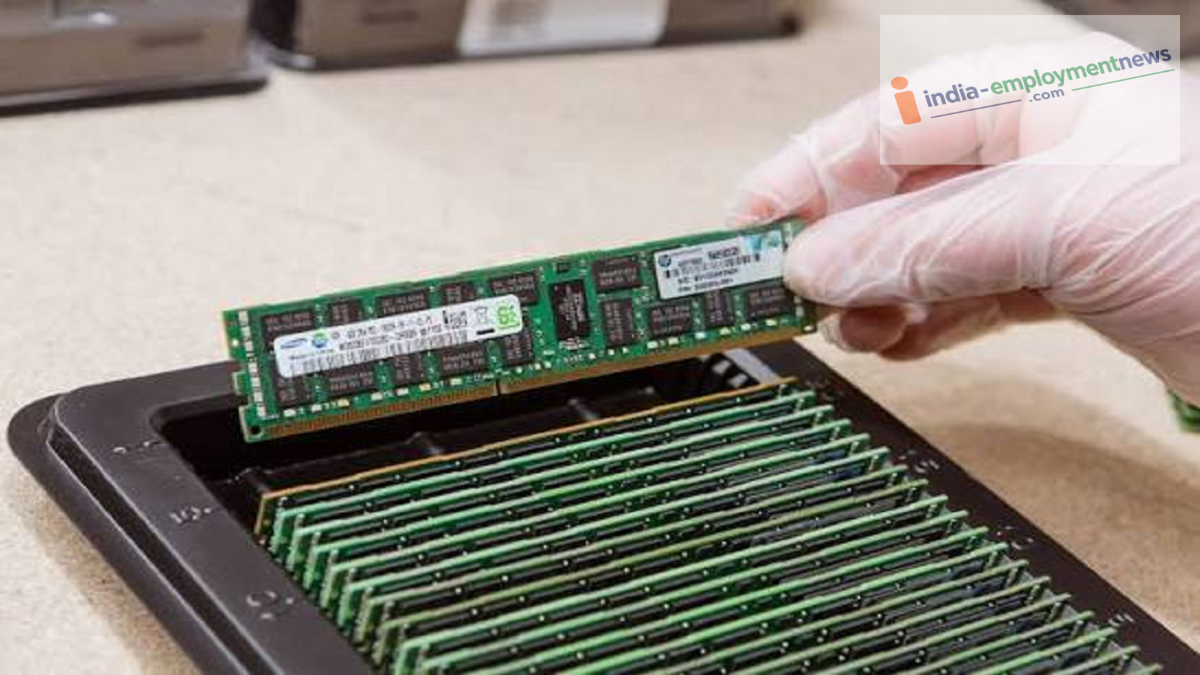
RAM—or Random Access Memory—is considered a crucial component of computers and smartphones.
What is RAM: Smartphone prices have seen a significant rise recently; phones with higher RAM capacities have become more expensive. Furthermore, budget smartphones are frequently out of stock in the market. The rising cost of RAM or memory chips is cited as a primary reason for the increased price of smartphones.
According to smartphone manufacturers, the hike in prices is due to the high cost of memory chips and a shortage of other components; consequently, it has become difficult for companies to generate a profit on lower-priced phones. But the question remains: why have RAM prices suddenly spiked? Let’s understand the situation.
What is RAM?
RAM (Random Access Memory) is considered an essential part of computers and smartphones. It enables the device's processor to quickly access the data and files needed during operation. While your storage drive retains data for the long term, RAM holds data temporarily so the CPU can utilize it rapidly. This is why having more RAM makes it much easier to run multiple apps and programs simultaneously.
How much have RAM prices surged?
RAM prices have witnessed a massive surge recently. Market data indicates that the price of a 32GB DDR5-4800 memory kit, which used to be under $100, has now increased manifold. As a result, purchasing RAM has become significantly more expensive for computer users.
What is the reason for the rise in RAM prices?
Over the past few years, large-scale data centers and computing infrastructure have been developed to support Artificial Intelligence. Training and running AI models require vast quantities of high-performance GPUs and memory.
Consequently, AI companies are purchasing computing hardware on a massive scale, backed by heavy investment. As a result, a significant portion of the production capacity of memory manufacturers is being diverted to orders related to data centers and AI. Consequently, memory chips for computers and smartphones are not being produced in sufficient quantities, leading to price hikes for these devices.
It is worth noting that the majority of the world's RAM is manufactured by companies such as Samsung, SK Hynix, and Micron. These companies produce memory chips using highly complex semiconductor technology in factories that cost billions of dollars.
