
Why exactly ₹99, ₹199, or ₹499? How does a difference of one rupee change your purchasing decision?
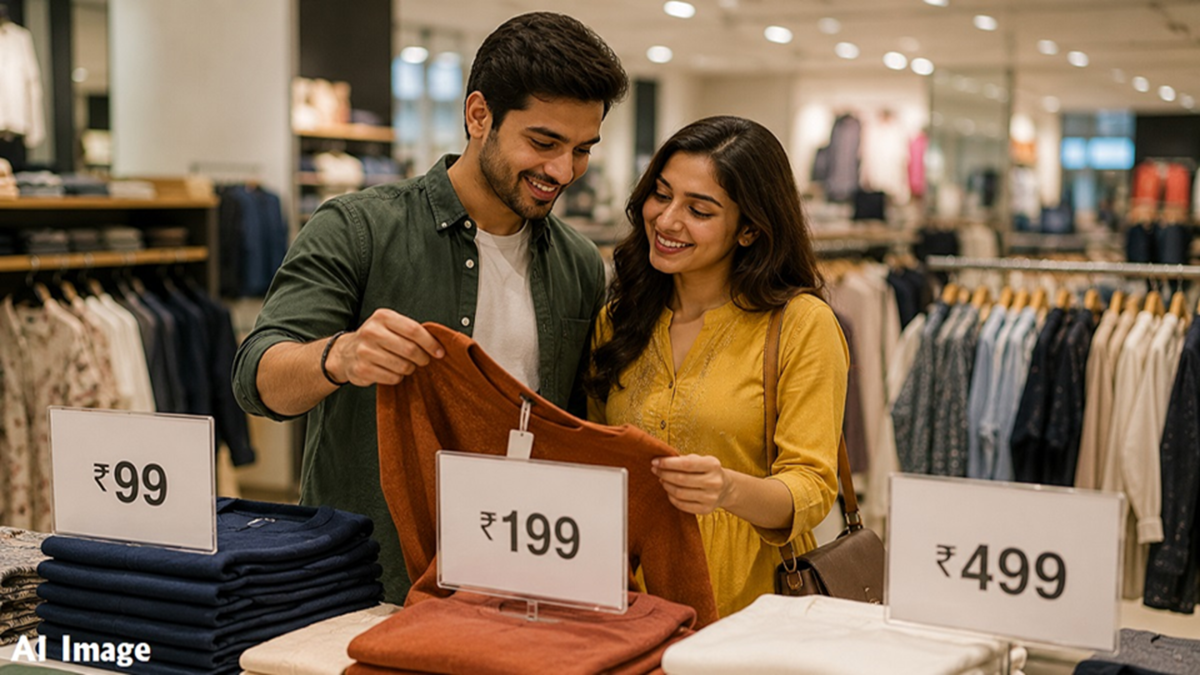
₹99 instead of ₹100, ₹199 instead of ₹200, and ₹999 instead of ₹1000—why don't shopkeepers and online companies simply use round figures for prices? If you have ever shopped online or in a market, you have surely encountered such price tags. At first glance, a difference of ₹1 seems trivial, but this pricing strategy can influence a customer's mindset and purchasing decisions. This is known as "Psychological Pricing."
Why does ₹999 feel lower than ₹1000?
A key reason cited for this is the "Left-Digit Effect." Simply put, when we look at a price, our brain often places greater importance on the leftmost digit.
For example:
* A price of ₹99 feels lower than ₹100.
* ₹199 can feel significantly lower than ₹200.
* Upon seeing ₹999, the brain might perceive it as "900-something" rather than ₹1000.
* Similarly, a price of ₹4,999 feels like it falls into the "below ₹5,000" category.
The actual difference is just ₹1, yet the perception of the price can be quite different. This is why prices ending in 9 have long been used in marketing.
It is also called "Charm Pricing"
In marketing terminology, prices like ₹99, ₹199, ₹499, or ₹999 are referred to as "Charm Pricing" or "Nine-Ending Pricing." The goal isn't merely to lower the price, but to make the price feel lower or more attractive to the customer.
Various studies have found that prices ending in 9 can influence customer purchasing behavior and brand sales in certain situations. However, the impact is not uniform across every product, customer, or market.
How do shopkeepers and online companies benefit from this?
Retail and e-commerce companies set their prices by taking customer purchasing behavior into account. A price point like ₹999 can make the cost feel lower to the customer, while the company's revenue remains roughly the same as it would be at ₹1,000.
This is why you see prices like ₹499, ₹999, ₹1,499, or ₹4,999 for products such as clothing, electronics, online courses, subscriptions, and hotel bookings.
There is a difference of only ₹1 between ₹99 and ₹100, yet the two prices can create different impressions in the customer's mind. This is the core concept of psychological pricing; companies present prices in a way that makes the deal appear more attractive to the customer.
Disclaimer: This content has been sourced and edited from Dainik Jagran. While we have made modifications for clarity and presentation, the original content belongs to its respective authors and website. We do not claim ownership of the content.
