
Why does your phone get scorching hot in the car? Here’s how to prevent it
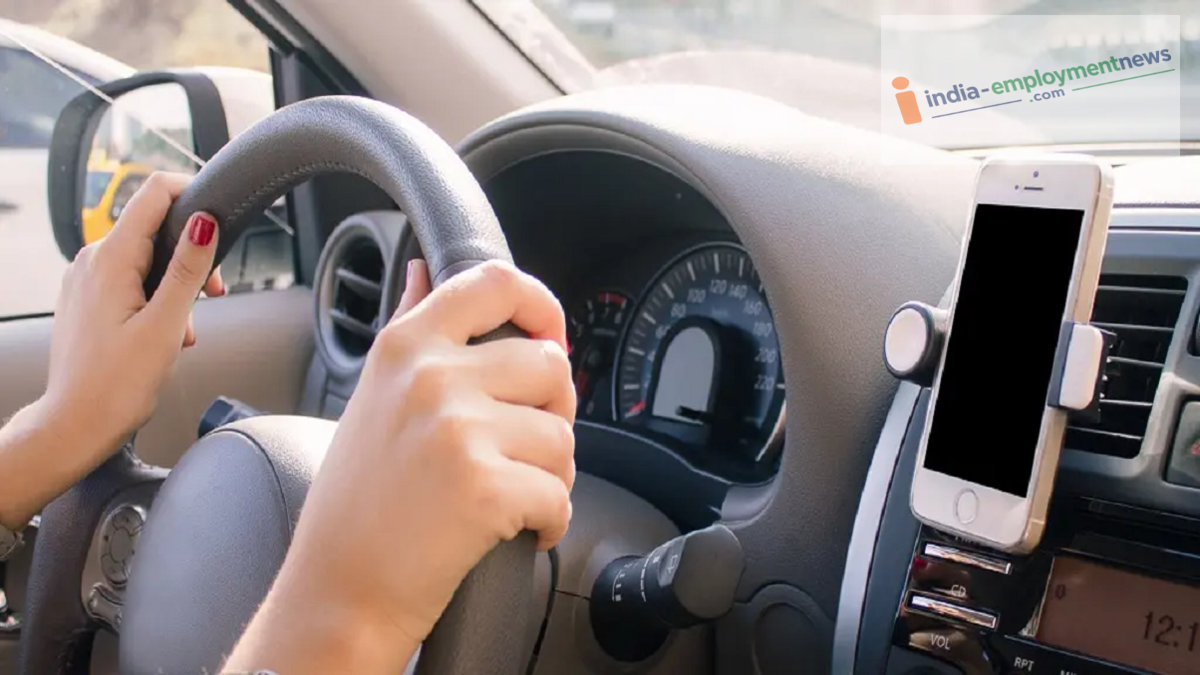
Tech Tips: If you need to use your phone, place it near the car's AC vent so it receives a gentle stream of cool air.
Tech Tips: Smartphones have become essential for most people today, especially while traveling. However, it is common for phones to overheat quickly when kept inside a car. If a smartphone is left on the dashboard or plugged in for charging in such an environment, its temperature can rise rapidly. Prolonged overheating can damage the phone's battery, screen, and other hardware components; in many cases, it even increases the risk of the battery swelling or failing. Fortunately, you can avoid these issues by following a few simple steps.
Make proper use of the AC airflow.
If you need to use your phone, place it near the car's AC vent so it receives a gentle stream of cool air. This helps keep the phone's temperature under control. However, avoid blasting very cold air directly onto the phone for extended periods. Sudden temperature changes can lead to moisture buildup, which can be harmful to the device.
Removing thick cases can also help.
Most mobile cases are made of silicone or plastic, materials that trap heat and prevent it from dissipating. If your phone is overheating inside the car, removing the case for a while allows heat to escape more easily, helping the phone cool down faster.
Never leave your phone in direct sunlight.
One of the biggest mistakes people make is mounting their phone on the dashboard, where it is exposed to direct sunlight. The combination of intense sunlight streaming through the windshield and the heat radiating from the dashboard causes the phone's temperature to spike rapidly.
Avoid gaming or running resource-heavy apps
The temperature inside a car is already high. Engaging in activities like gaming, video editing, or running other resource-intensive apps puts a heavy load on the phone's processor, causing the temperature to rise even further. If you must use your phone while traveling, limit usage to essential apps like maps or music.
Avoid charging the phone in the car unless necessary.
Additionally, phones generate heat while charging. If the interior temperature of the car is also high, the risk of overheating increases significantly. Wireless charging, in particular, generates more heat than standard cable charging; therefore, it is best to avoid wireless charging inside the car during hot weather.
Keep the screen brightness low.
The phone's display also generates considerable heat. If you are using navigation, keep the screen brightness at the minimum level required. This reduces battery consumption and helps keep the phone cooler.
Turn off unnecessary features.
Disable Wi-Fi, Bluetooth, hotspots, and any extra apps running in the background when they are not needed. This reduces the load on the processor and prevents the phone from heating up excessively.
Do not leave your phone behind when exiting the car.
Just as you wouldn't leave children or pets in a car during hot weather, you shouldn't leave your phone inside either. The temperature inside a closed car can soar, potentially causing severe damage to the phone's battery and other components.
What to do if the phone starts overheating?
If the phone feels excessively hot, stop using it immediately and move it out of direct sunlight to a cooler location. Switch off the phone for a while if necessary. Do not suddenly place the phone in a refrigerator or in contact with ice, as rapid temperature changes can damage the device.
