
Why does the battery drain even when the phone is turned off? Find out the reason.
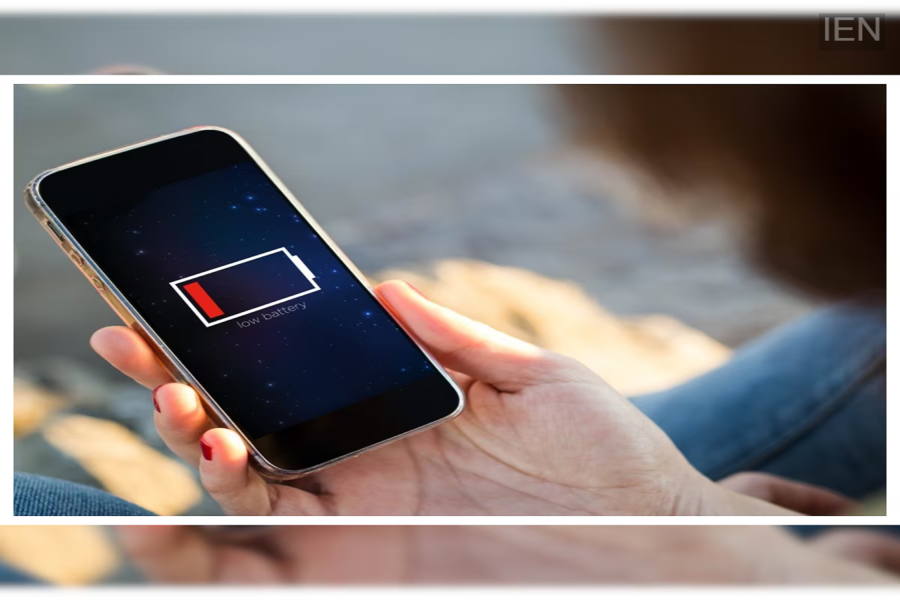
Smartphone: When a phone is switched off, the screen, internet, and apps stop working, but battery consumption does not stop completely.
Smartphone: Many people believe that if a smartphone is completely turned off, its battery won't drain at all. However, that is not the case. In reality, the battery continues to deplete slowly even when the phone is off. If you have ever turned on an old phone after keeping it switched off for months, you might have noticed that the battery level wasn't the same as before. Why does this happen? Let's find out.
Why does the battery drain even when the phone is off?
It is worth noting that while the screen, internet, and apps stop functioning when the phone is turned off, battery usage does not cease entirely. The primary reason for this is a natural process inherent to lithium-ion batteries known as "self-discharge."
In this process, the battery gradually loses energy even without being used. Typically, the battery of a switched-off phone can lose about 1 to 2 percent of its charge per month. If the phone is stored in a hot environment, it may discharge even faster.
The clock and wake circuit are also contributing factors.
A small electronic circuit inside the phone remains constantly active. This circuit helps turn the phone on when the power button is pressed and plays a crucial role in maintaining the correct time and date once the phone is powered up again.
Although this circuit consumes very little power, its impact on the battery level becomes noticeable if the phone remains switched off for an extended period.
Why does the battery drain faster if the phone is left on?
It is important to note that if the phone is on—even if you aren't actively using it—several processes continue to consume battery power.
Apps running in the background
Mobile network and Wi-Fi connections
Notification system
Other system processes
This is why a phone left on but unused for several days can drain quickly, whereas the battery of a switched-off phone depletes much more slowly.
What to do if storing the phone for a long time
If you have bought a new phone and do not intend to use your old one for several months, it is important to store it correctly. Experts advise against storing a phone with a fully charged or completely empty battery.
If you wish to store the phone for an extended period, it should be charged to approximately 50 percent. Additionally, you should take the phone out every 5–6 months and recharge it to around 50 percent. This helps maintain the battery in good condition.
Why the battery should not be completely discharged
If a phone remains unused with a completely empty battery for a long time, it can enter a state of "deep discharge." In this state, the battery's capacity can be permanently reduced. In many cases, the battery begins to provide less backup than before, and in worse scenarios, the device itself can be damaged.
How to store the battery for a long time
If you plan to switch off and store your phone for an extended period, keep the following points in mind:
Switch off the phone when the battery is at approximately 50%.
Recharge it every 6 months.
Do not store the phone in a completely discharged state.
Avoid storing it for months with a 100% charge.
Always keep the phone in a cool, dry place.
Excessive heat can rapidly reduce battery life.
