
Why does a loan get rejected even with a CIBIL score of 750? Here are 5 major reasons..
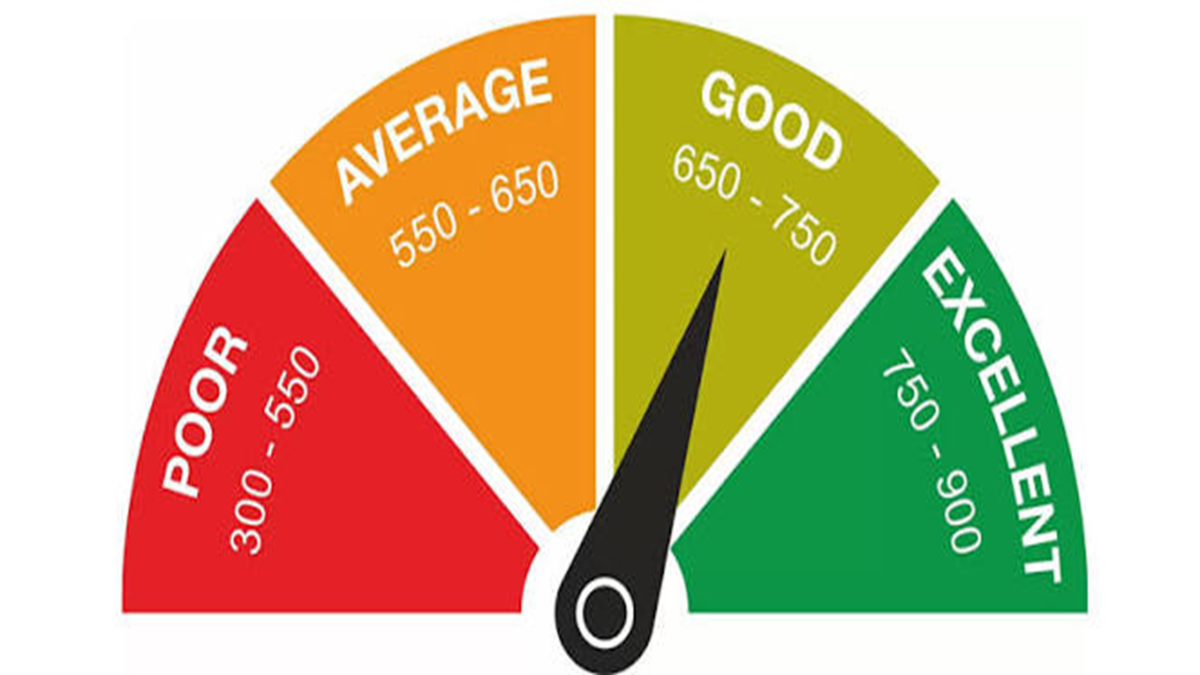
Your CIBIL score is 750. You have repaid past loans on time and also pay your credit card bills punctually. Yet, the bank has refused to grant you a new loan. This is entirely possible. In reality, banks do not approve loans based solely on the CIBIL score; they evaluate your overall financial situation.
**EMI High Relative to Income**
Suppose your monthly salary is ₹60,000, and you are already paying EMIs amounting to ₹35,000. Now, you need a new loan for a specific purpose. Even with a CIBIL score of 780, the bank will assess how much money remains for household expenses after adding the new EMI. If the financial burden appears excessive, the loan application could be rejected.
In such a scenario, try to reduce your existing EMI burden before applying for a new loan. If you have a small outstanding debt that can be paid off, it might be better to clear it first.
**Seeking a Loan Amount Beyond Necessity**
Often, the issue lies not with the CIBIL score but with the loan amount requested. For instance, if your salary is ₹70,000 and you apply for a personal loan of ₹30 lakh, the bank might consider the resulting EMI too high relative to your income.
Therefore, apply only for the amount you actually need. A lower loan amount results in a lower EMI, which can make your repayment capacity appear stronger.
**Consistently High Credit Card Spending**
While paying credit card bills on time helps maintain a good CIBIL score, banks also look at your card usage patterns. For example, if your card limit is ₹2 lakh and you spend around ₹1.5 lakh monthly, the bank might perceive you as being overly dependent on credit.
To avoid this, try to keep your credit card spending below 30% of your credit limit. Pay your bills on time and avoid consistently spending close to your card's maximum limit.
**Applying to multiple banks simultaneously**
If a loan application is rejected by one bank, you might apply to another, and then perhaps a third. Applying at multiple places within a short span is generally not viewed favorably. Each time you apply, the bank may check your credit report, and this inquiry gets recorded in the report.
Before applying, you should compare interest rates, eligibility criteria, and EMI options across different banks. Then, choose the option that best suits your needs to avoid the situation of having to apply at multiple places.
**Errors in the CIBIL report**
It is possible to have a good CIBIL score while the report contains incorrect information—such as a loan listed that you never actually took, or a loan that has already been repaid but still appears as outstanding in the report.
Therefore, always check your CIBIL report before applying for a loan. If you spot any discrepancies, raise a dispute to have them corrected. Incorrect information in the report can lead to future complications.
**A score of 750 alone is not enough**
A CIBIL score of 750 or higher may indicate a good credit history, but banks consider several other parameters when approving a loan. Factors such as your income, existing debt, and your ability to comfortably repay the new EMI are also taken into account.
So, do not focus solely on your CIBIL score before applying for a loan; also consider your EMI obligations, total debt, and credit card usage patterns. Often, the reason for a loan application being rejected—despite a good score—lies in these very factors.
Disclaimer: This content has been sourced and edited from Money Control. While we have made modifications for clarity and presentation, the original content belongs to its respective authors and website. We do not claim ownership of the content.
