
Why do petrol pump owners have a problem accepting UPI payments exceeding ₹2,000?
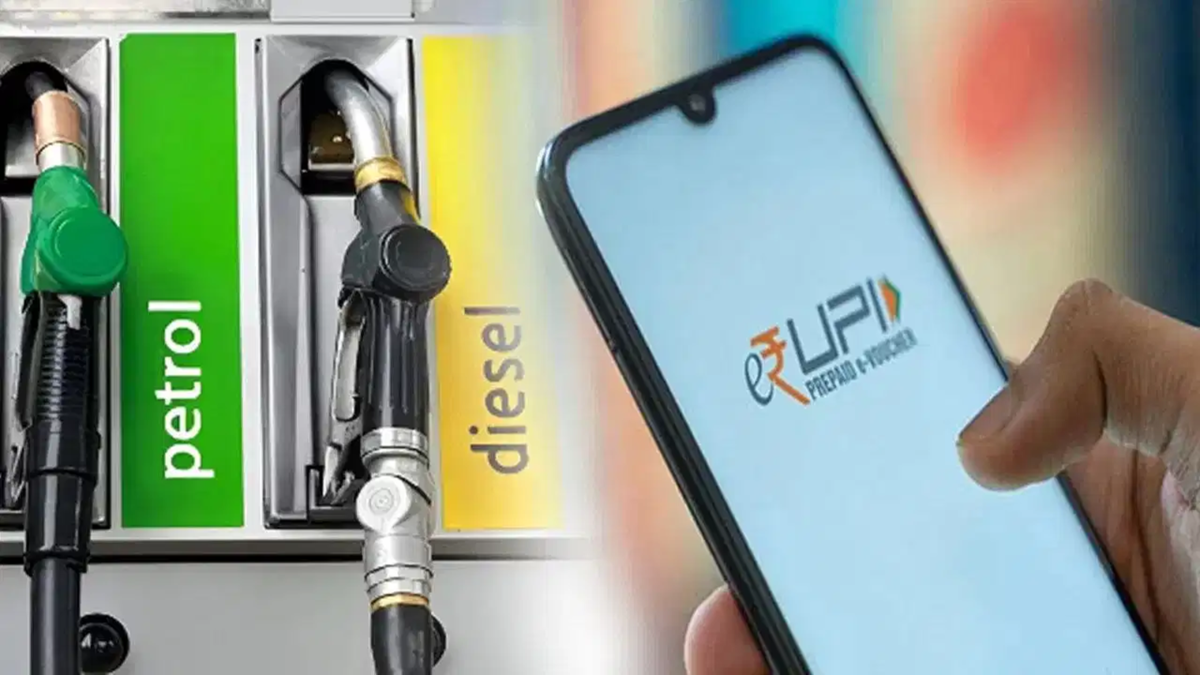
The announcement regarding the imposition of charges on UPI transactions exceeding ₹2,000 has sparked a nationwide debate. However, the government has clarified that this charge will not be borne by the general public. In this context, a fixed charge of ₹5 was announced for petrol or diesel purchases exceeding ₹2,000 at petrol pumps. This move has become a headache for petrol pump owners. Owners in major states like Punjab, Madhya Pradesh, and Maharashtra have clearly stated that they will not accept UPI transactions for fuel purchases over ₹2,000.
The big question here is: given that these pumps earn lakhs daily from fuel sales, how significantly would a ₹5 charge impact their finances to warrant refusing UPI transactions? TV9 Digital investigated just how burdensome this ₹5 charge could be for these petrol pumps. Let us understand the economics behind it...
What is the petrol pump dealers' demand regarding MDAR?
Last week, the All India Petroleum Dealers Association wrote to the Finance Minister, seeking intervention regarding payment processing costs. The letter was sent by the association's president, Ajay Bansal. The association stated that petrol pump dealers operate on fixed margins rather than margins linked to the transaction value. The letter noted that dealer margins are determined by Oil Marketing Companies (OMCs) under the supervision of the Ministry of Petroleum and Natural Gas and are primarily set on a per-liter basis, rather than as a percentage of the transaction value.
It further stated that, consequently, dealers have no way to increase their earnings when the transaction value rises. According to the association, these commissions have remained unchanged since October 2017, even as costs—such as electricity, labor, and regulatory compliance—continue to rise. The association stated that even a ₹5 charge could have a significant impact, given the high volume of daily transactions at petrol pumps. The letter noted that a seemingly nominal fixed charge of ₹5 on UPI transactions exceeding ₹2,000 would result in a substantial cumulative impact.
The association argued that the mode of payment does not alter the fundamental nature of fuel transactions. They cited past instances where the government acknowledged the unique nature of fuel transactions and granted exemptions for card payments; dealers contend that this same principle should apply to UPI payments. The letter also warned that these charges could lead to a situation where dealers discourage or limit UPI payments above a certain amount to protect their margins.
The association has urged the central government to fully exempt retail petrol pumps from MDR and associated transaction charges on all UPI payments, regardless of the transaction amount. Should a general threshold be maintained, they have sought specific relief for fuel retailers regarding both percentage-based MDR and per-transaction fixed charges on UPI payments exceeding ₹2,000. The association emphasized that digital payments have made fuel purchases more convenient and transparent while enhancing operational efficiency; therefore, dealers should not bear an additional financial burden for facilitating these payments.
Understanding the economics: Gains and losses
A charge of ₹5 is set to apply to UPI transactions exceeding ₹2,000 at petrol pumps. Let us use an example to understand the financial impact—both gains and losses—this will have on pump dealers. Petrol pumps earn a commission on a per-liter basis. In Delhi, the average dealer commission on petrol is ₹4.41 per liter. If a customer purchases petrol worth ₹3,000, they receive 29.37 liters of fuel. This means the petrol pump's commission on this transaction would amount to ₹129.55.
If a customer makes a UPI payment of ₹3,000, the dealer is required to pay an MDR of ₹5. Even after this deduction, the dealer retains a commission of ₹124.55 from the transaction. Similarly, if a petrol pump processes 40 transactions averaging ₹3,000 each in a day, the total cost incurred would be ₹200 (at ₹5 per transaction); the dealer would still be left with a commission of ₹4,982.
What did the NPCI announce?
According to the NPCI directive, no charges will be levied on UPI transactions of up to ₹2,000 at petrol pumps across the country. However, if a pump accepts a UPI payment exceeding ₹2,000, the dealer must pay a charge of up to ₹5 per transaction. The NPCI has stipulated that this charge cannot be passed on to the customer; the dealer must bear the entire cost.
Disclaimer: This content has been sourced and edited from TV9. While we have made modifications for clarity and presentation, the original content belongs to its respective authors and website. We do not claim ownership of the content.
