
Why do credit card companies offer a 'minimum due' option? Find out if it's a benefit or a bad deal..
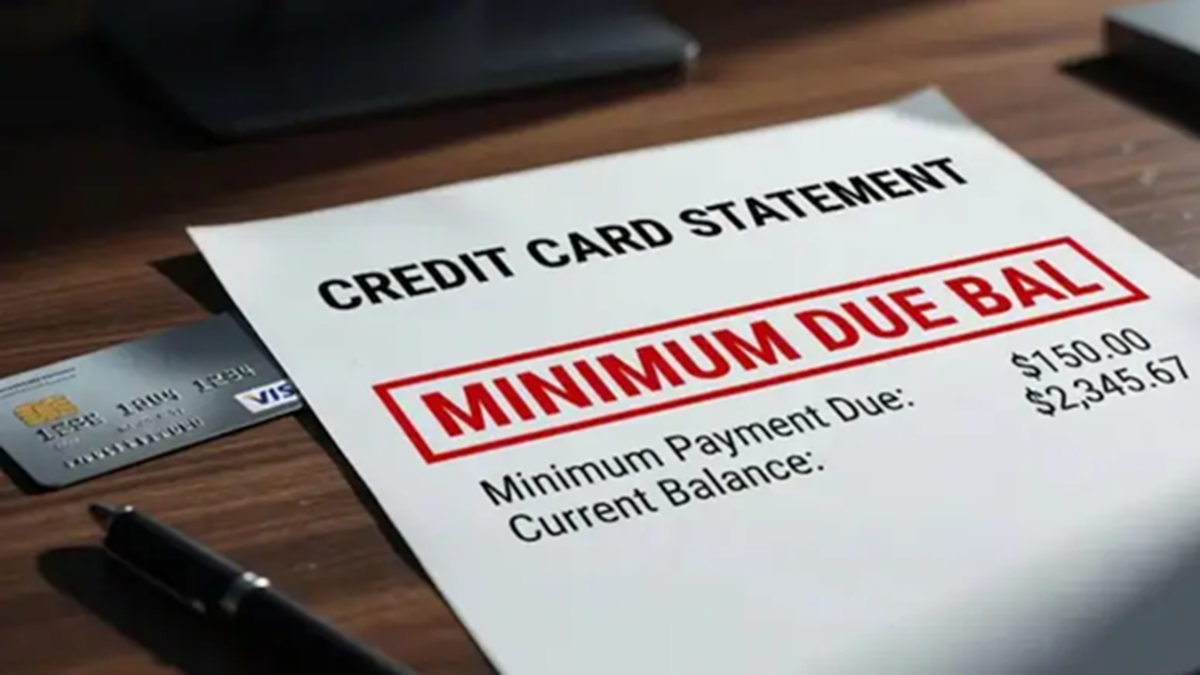
The trend of making payments via credit cards is growing rapidly. From shopping to paying various types of bills, credit cards are being used for almost everything. Paying with a credit card is also convenient. However, it is only when the bank issues the credit card statement that users realize how much they spent the previous month. Banks offer credit card users the option to pay the full bill or just the "minimum due" amount. Consequently, people often feel secure paying only the minimum due instead of the entire bill. Yet, they remain unaware that this habit can cause their CIBIL score to drop and trap them in significant debt.
Paying the minimum due is a useful option for those who face a sudden shortage of funds and cannot make the full payment for the month. Banks provide this option primarily to prevent your account from going into default. However, this does not mean your debt has been cleared.
**The Reality of "Minimum Due"**
Banks offer the option to pay a "minimum due" amount on your credit card bill, which is typically around 5% of the total outstanding balance. Some people believe that paying the minimum due saves them from penalties, but that is where the real issue begins. Since you have only paid the minimum due, the remaining balance remains as debt, and the bank begins charging steep interest on it. If you consistently pay only the minimum due each month while planning to clear the full amount later, the annual interest rate on the credit card can reach 30% to 40%. In other words, the longer you delay the full payment, the more interest accumulates.
Instead of gradually paying off the principal debt, you end up paying mostly interest, thereby getting trapped in a debt cycle.
**Impact on CIBIL Score**
Rahul Kumar, a credit card manager at a private bank, explains that while paying the minimum due prevents your card from defaulting, doing so consistently signals to the bank that you are struggling to repay your debt. This increases your credit utilization ratio, leading the bank to view you as a high-risk customer. This also causes your CIBIL score to drop, which creates difficulties when you need to take out a loan.
Customers are advised that using a credit card correctly can be beneficial, as it offers cashback and reward points; however, negligence turns it into a disadvantageous proposition.
Disclaimer: This content has been sourced and edited from NDTV India. While we have made modifications for clarity and presentation, the original content belongs to its respective authors and website. We do not claim ownership of the content.
