
Why did companies stop including the FM radio feature in phones? Here’s the reason.
There was a time when FM radio was a standard feature on mobile phones, but now most companies are removing it. Let’s explore why this happened and the reasons behind it.
There was a time when mobile phones were used for more than just making calls and sending messages; they also featured FM radio, which people used to listen to music, catch up on news, and stay entertained while traveling. The best part was that it required neither the internet nor a paid subscription. However, as smartphone and internet technologies advanced, FM radio gradually disappeared from phones.
The smartphone itself became the radio.
Until a few years ago, FM radio was considered a standard feature in many budget and mid-range smartphones. Users could listen to local FM stations simply by plugging in their earphones. The earphone wire acted as an antenna, eliminating the need for a separate internet connection.
During that era, this feature was particularly popular in areas where mobile internet access was unavailable. FM radio offered people an easy, free option to listen to news, music, and local programs.
An attempt to boost FM on smartphones in 2013
A major effort to popularize FM radio on smartphones was launched in 2013. The broadcaster Emmis Communications initiated a move to promote FM broadcasting on mobile phones through the NextRadio app. The company partnered with Sprint to make the FM radio feature available on select devices.
NextRadio later collaborated with phone manufacturers like LG and Samsung. However, the initiative was short-lived. Mobile operators argued that there wasn't significant consumer demand for the feature. Eventually, the NextRadio campaign gradually fizzled out.
Streaming services changed the entire landscape.
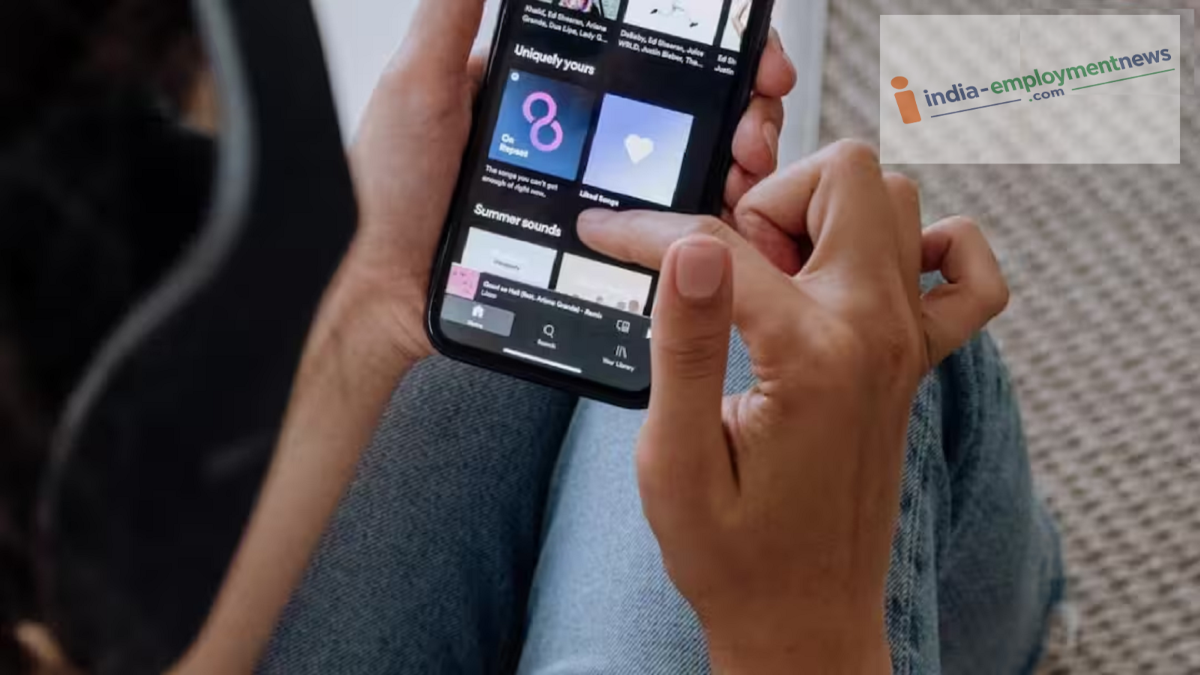
One of the primary reasons for the decline of FM radio is the rapid rise of internet streaming services. Today, millions of people listen to audio content on YouTube, Spotify, and other music and podcast platforms.
With the increase in mobile internet speeds, users now have the option to listen to their favorite songs, podcasts, news, and other programs at any time. 4G and 5G networks have further accelerated this shift. Consequently, phone manufacturers are also focusing more on features that are highly useful to users.
