
Whether depositing cash or purchasing land, you will no longer be required to provide your PAN card number for these transactions..
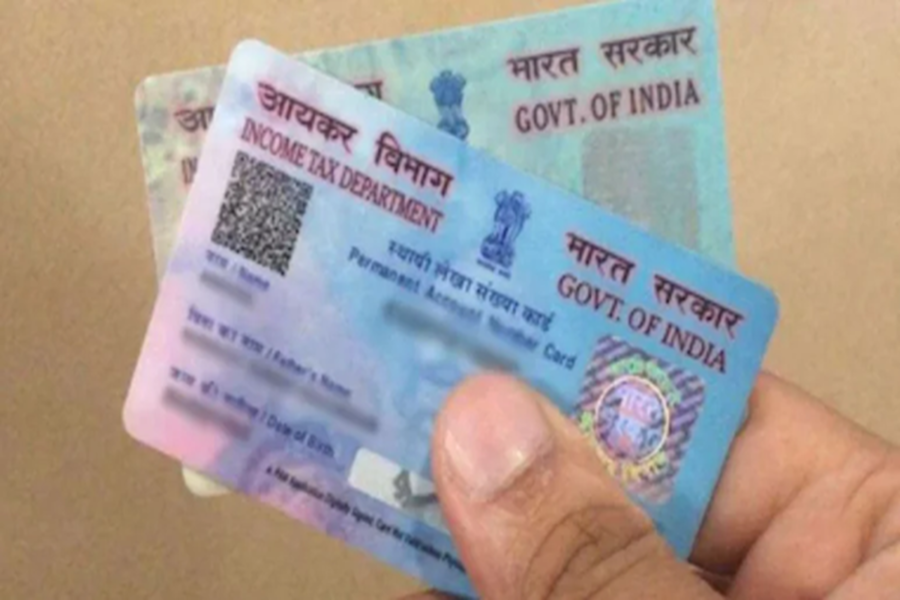
New PAN Rules: In India, the Permanent Account Number—or PAN card—has long been considered one of the most essential documents for financial transactions. From banking operations to purchasing property and conducting large cash transactions, it was required in almost every scenario. However, through the new PAN Rules introduced in 2026, the government has implemented several significant changes expected to provide relief to ordinary citizens and small business owners. Under the new regulations, the mandatory requirement to produce a PAN card or provide its number has now been eliminated—or, in certain instances, significantly curtailed—for eight specific types of activities.
**Changes to Cash Transaction Rules**
Major changes have been introduced regarding the rules governing cash deposits and withdrawals at banks. Previously, providing a PAN card was mandatory for cash deposits exceeding ₹50,000. However, this threshold has now been raised. Furthermore, the annual reporting limit for cash deposits has been increased from ₹2.5 lakh to ₹10 lakh.
**New Limits for Property Transactions**
Regulations within the real estate sector have also been streamlined. A PAN card is no longer mandatory for the purchase or sale of property valued up to ₹20 lakh. Previously, this limit stood at ₹10 lakh. Additionally, the reporting threshold for property transactions—which must be disclosed to the Income Tax Department—has been raised from ₹30 lakh to ₹45 lakh.
**Foreign Travel and Forex Regulations**
The rules governing foreign travel and transactions involving foreign currency have also been updated. A PAN card is no longer required for minor foreign-related expenses. Transactions exceeding ₹2 lakh in this context will now be reported under the standard reporting category. Furthermore, distinct reporting thresholds for foreign exchange (Forex) transactions have been established, varying based on whether or not the individual possesses a PAN card.
Disclaimer: This content has been sourced and edited from NDTV India. While we have made modifications for clarity and presentation, the original content belongs to its respective authors and website. We do not claim ownership of the content.
