
When and how can a daughter obtain a compassionate appointment (job on compassionate grounds) following her father's death?
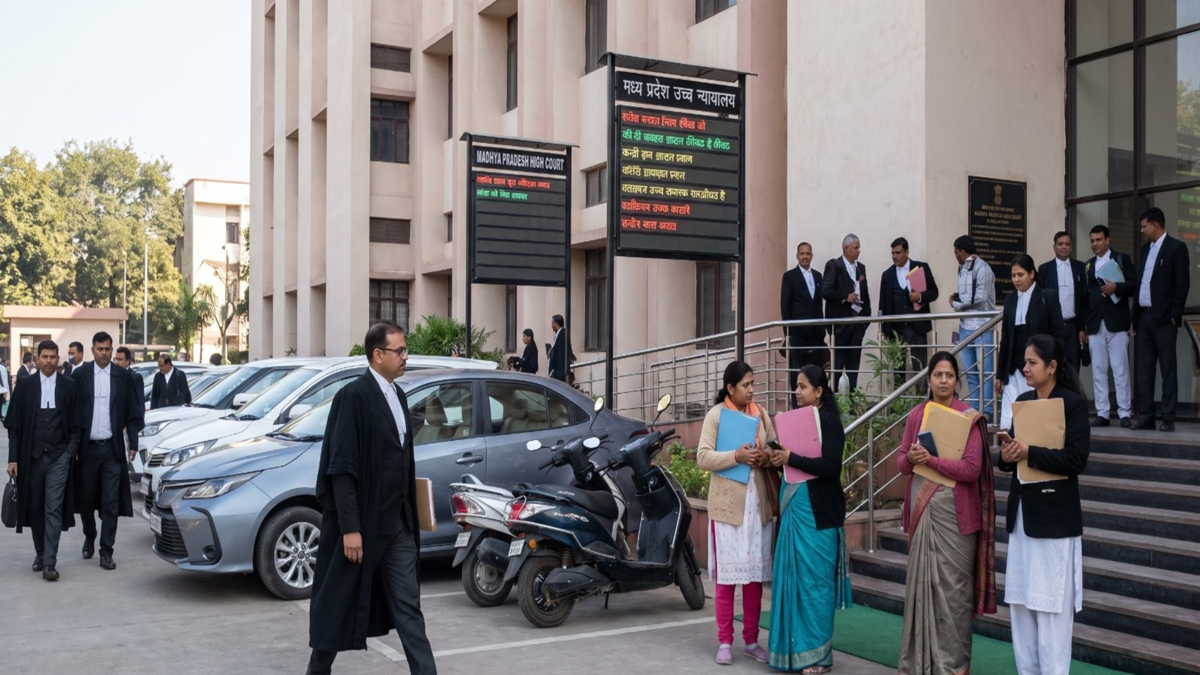
In the event of a father's death while in government service, his daughter may apply for a job under the rules for compassionate appointment. However, this is subject to certain terms and conditions. The Madhya Pradesh High Court has dismissed a petition filed by the daughter of a former Western Coalfields Limited employee, who sought a compassionate appointment 28 years after her father's death. Her father passed away in 1998.
Details of the case
The company refused to provide the job, noting that the deceased's wife had been receiving a regular pension and the family had managed to sustain itself for all these years. Consequently, there was no basis for claiming an "immediate" financial crisis after such a long period. The woman's counsel argued that a daughter cannot be deemed ineligible for a compassionate appointment solely on the grounds of being married. The Court, however, observed that since the family had been able to support itself for so many years, the necessity for immediate financial assistance was not established.
While dismissing the petition, the High Court granted the woman the liberty to apply for a rehearing of the case, provided she can prove that her mother was not, in fact, receiving the family pension.
Which daughters are eligible to apply for a compassionate appointment?
Following the death of a father, unmarried daughters, legally adopted daughters, and—in certain specific cases—married daughters are eligible for a compassionate appointment, provided they were entirely dependent on the deceased (their father). If the mother does not wish to apply for the job or is unable to do so, she may, with her consent, recommend her daughter for the position.
When and how should one apply?
Prashant Sisodia, a lawyer at the Delhi High Court, explains that the primary objective of a compassionate appointment is to provide immediate relief to a family facing sudden financial hardship. Therefore, it is considered most appropriate to submit an application as soon as possible following the death of the parent—ideally within one to five years.
According to Central Government guidelines, there is no strict or final deadline for submitting applications for compassionate appointments; in many departments, older or delayed cases may still be considered. However, as established by several clear rulings from the Supreme Court, such an appointment is not a legal or absolute right. If an application is filed a long time after the death (for instance, 10, 15, or 20 years later), courts and government departments typically reject it, reasoning that the family has managed to sustain itself or that the initial, urgent financial crisis no longer exists.
Key Conditions and Procedure for Compassionate Appointment
The department assesses whether the family’s financial situation is truly dire and whether they possess any other regular means of livelihood. Depending on the applicant's educational qualifications, they may be considered for Group 'C' or 'D' (or equivalent) posts, in accordance with the applicable rules. A maximum of 5% of the total vacancies available for direct recruitment in government departments is reserved for compassionate appointments.
Disclaimer: This content has been sourced and edited from Amar Ujala. While we modified it for clarity and presentation, the original content belongs to its respective authors and website. We do not claim ownership of the content.
