
What to do if you fall ill on a moving train? How to call a doctor?
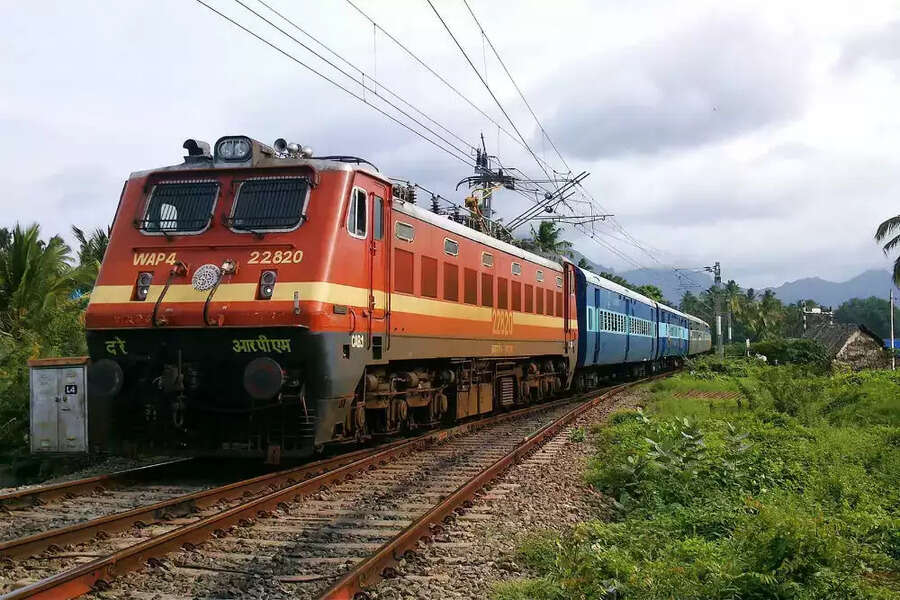
Railway Rules For Doctors: If you suddenly fall ill during a train journey, there's no need to panic. The railways have made arrangements for medical assistance on moving trains. Learn how to get help.
Railway Rules For Doctors: Indian Railways transports millions of passengers from one city to another every day. During long-distance journeys, it's common for people to suddenly fall ill due to changes in weather, fatigue, or pre-existing health problems. Sometimes people experience dizziness, low blood pressure, vomiting, fever, or allergies on the train. In such situations, the biggest problem is knowing where to get help.
And how to reach a doctor on a moving train? But the good news is that Indian Railways, keeping the safety of passengers in mind, has arranged for medical assistance on moving trains. This facility is not only available but also very easy and fast. It's important to have the right information so that you can take the correct steps immediately instead of panicking when needed. Learn the procedures.
How to call a doctor on a moving train
If a passenger suddenly falls ill during a train journey, the easiest way is to call the railway helpline 139. This number is active 24x7, and your information reaches the control room as soon as you call. The passenger can provide their coach number, seat number, and details of the problem. If there is no mobile network or the call is not connecting, you should immediately inform the TTE (Ticket Examiner) or the train guard. The TTE has the official railway system through which they can alert the next station. After this, when the train stops at the station, a railway doctor is already present there. As soon as the train reaches the platform, the doctor examines the patient and provides the necessary treatment.
Do you have to pay for the doctor's fees and medicine?
Under this medical facility provided by the railways, passengers are charged only Rs. 100 for the doctor's consultation. This fee is fixed, and no more is charged. In case of a common illness, the doctor provides one dose of medicine free of charge. If extra medication or additional treatment is required, a separate charge may be levied.
If the patient's condition is serious, such as unconsciousness, heart problems, or an accident, the railway arranges for an ambulance and a medical team at the next station. If necessary, the patient is admitted to the nearest government or recognized hospital. This facility is available on all Mail, Passenger, and Express trains. By providing timely information, passengers or their relatives can avoid major difficulties.
