
What should you do if the TTE asks for money in exchange for a seat on the train? These railway rules will come in handy immediately.
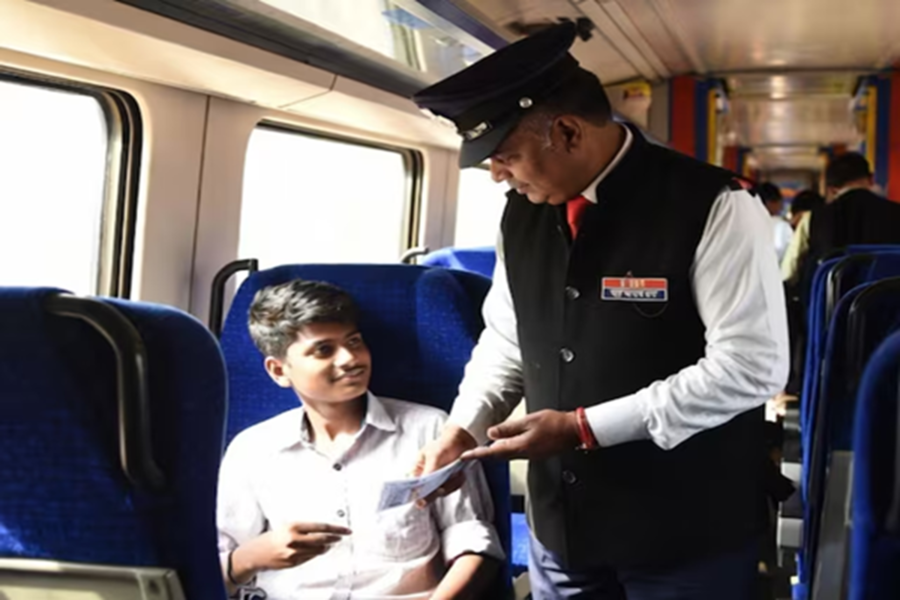
Indian Railways transports millions of passengers to their destinations every day and is considered the most affordable and convenient mode of travel for the common people. However, passengers often face difficulties regarding tickets and seat availability. In some instances, complaints frequently surface alleging that TTEs (Travel Ticket Examiners) demand money in exchange for allocating seats or issuing tickets. In such situations, it becomes crucial for passengers to be well-versed in railway regulations and their rights so that appropriate action can be taken when necessary.
**What are the Responsibilities of a TTE on a Train?**
The primary responsibility of a TTE—or Travel Ticket Examiner—on a train is to inspect passengers' tickets and ensure they are assigned the correct seats. Furthermore, it is part of the TTE's duty to resolve any issues a passenger may encounter regarding their seat, ticket, or journey. According to railway regulations, a TTE is strictly prohibited from demanding extra money or bribes from any passenger. If a seat becomes vacant on a train, it is allocated to passengers in strict accordance with established rules. Therefore, demanding cash in exchange for providing any facility or service is considered a violation of the regulations.
**What Should You Do Immediately If a TTE Demands Money?**
If, during your journey, a TTE demands money in exchange for securing a seat, issuing a ticket, or providing any other facility, there is no need for the passenger to panic. The first step is to note down the TTE's name and badge number; this information is essential for filing a complaint. If possible, one may also record a video or audio clip of the incident using a mobile phone to ensure that evidence is available. Subsequently, the passenger can immediately lodge a complaint with the railway authorities. Experts suggest that when supported by concrete evidence, the railway administration takes swift action in such cases.
**Several Easy Ways to File a Complaint**
Indian Railways has provided several convenient options for passengers to file complaints. Passengers can lodge a complaint online through the 'Rail Madad' app. Additionally, the facility to file a complaint is also available on the official Indian Railways website. If internet access is unavailable, passengers can also register their complaints by calling the railway helpline number, 182. As soon as a complaint is registered, the matter is directly forwarded to the railway authorities, and an investigation is initiated. In many instances, strict disciplinary action is taken against the employees found to be at fault.
**Keep These Points in Mind When Booking Tickets**
Railway officials state that, often due to a lack of information, passengers fall prey to touts or unscrupulous individuals. Therefore, one should always book tickets exclusively through the official IRCTC website or app. When booking a ticket, one must carefully enter the travel date, train number, and passenger details. After completing the payment, it is essential to download the ticket from the ‘My Bookings’ section. If a ticket is on the waiting list, its status should be monitored continuously until the reservation chart is prepared. Being well-informed can help passengers avoid numerous hassles during their journey.
**Only Vigilant Passengers Can Curb Malpractices**
Experts believe that for the sake of transparency and improved service within the railways, passengers must be vigilant. If a passenger refuses to pay a bribe and files a complaint, it helps in curbing illicit activities. The railways are continuously strengthening their digital systems and online services to provide passengers with a more transparent and secure experience. In this context, passengers should also be aware of their rights and raise their voices against any wrongful demands or misconduct. Such vigilance can make train travel even safer and more reliable in the future.
Disclaimer: This content has been sourced and edited from Dainik Jagran. While we have made modifications for clarity and presentation, the original content belongs to its respective authors and website. We do not claim ownership of the content.
