
What Is This? AI Bots Set to Outnumber Humans on the Internet—Find Out How This Changes the Entire Game
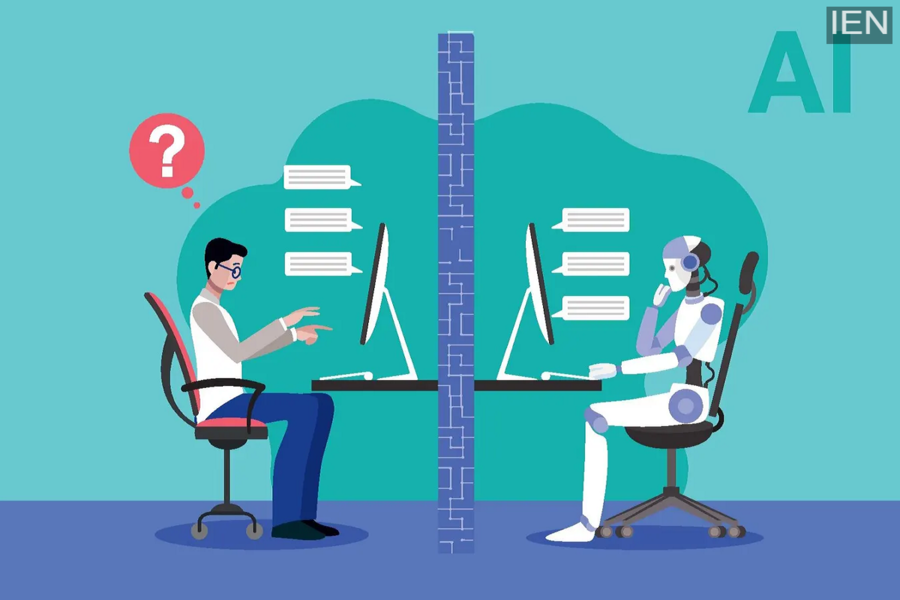
AI Bots on the Internet: By next year, AI bot activity on the internet is projected to surpass human activity. This is bound to place significant strain on network infrastructure. Matthew Prince of Cloudflare made this observation.
AI Bots on the Internet: The day is not far off when AI bot traffic on the internet will exceed that of humans. The current balance between humans and AI bots is poised to shift dramatically very soon. Cloudflare CEO Matthew Prince states that within the next few years, AI-driven bots will outnumber humans on the internet. He explained that, driven by the rapid growth of generative AI, AI agents will soon overtake human activity and begin performing the majority of tasks currently handled by humans.
Bots’ Online Behavior Differs from Humans
Prince noted that the online behavior of bots differs significantly from that of humans. While humans typically visit only a few websites at a time, AI systems can scan thousands of websites in a matter of seconds. Illustrating this point with an example, he explained: “Suppose a person wants to buy a digital camera; they might visit five websites. An AI agent, however, could visit 5,000 websites to accomplish the very same task.” This constitutes genuine network traffic, and everyone must be prepared to handle it.
What Was the Situation Before AI?
Prince points out that prior to the advent of generative AI, bot traffic on the internet accounted for only 20 percent of total traffic—and the majority of this originated from trusted sources, such as search engine crawlers. Furthermore, most of the remaining bot activity was linked to scams and malicious operations. Now, in the wake of generative AI, a scenario could emerge by 2027 where AI bots generate more activity on the internet than humans do.
Increased Pressure on Network Infrastructure
The surge in bot activity will inevitably necessitate a corresponding expansion of physical network infrastructure. Additionally, the demand for data centers, servers, and similar infrastructure will also rise. Drawing a parallel with the COVID-19 pandemic, Prince noted that streaming on YouTube and Netflix had surged back then as well, placing increased pressure on networks. A similar scenario could unfold once again.
