
What is third-party insurance, and how does it differ from comprehensive insurance?
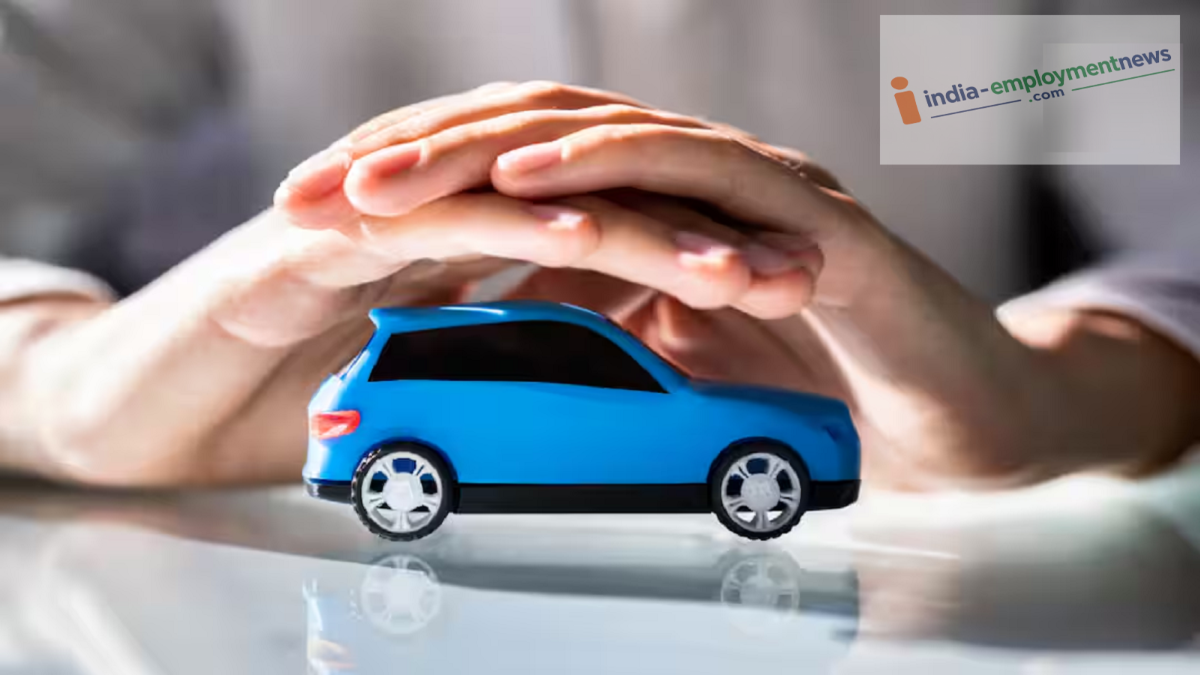
Insurance Policy: Third-party insurance is mandatory when driving; it covers losses or injuries sustained by another person in an accident. To protect your own vehicle from damage, you can opt for comprehensive coverage.
Car Insurance News: For motorists, insurance is not merely a document but a means of financial security in the event of an accident. Insurance can be immensely helpful in compensating for losses resulting from road accidents. However, when purchasing a policy, it is crucial to understand the type of coverage you are getting.
Various types of insurance coverage are available for vehicles. Among them, third-party insurance is one of the most essential. In India, third-party liability coverage is mandatory for driving a vehicle in public areas.
What does "third party" mean?
As the name suggests, this involves liability related to a "third party"—that is, another person. If your vehicle causes injury to another person or damages their property, the insurance company covers the associated legal liability, subject to the policy terms. However, there is an important point to note here: if your own vehicle is damaged in the accident, a third-party-only policy does not cover that damage.
Then, how do you get coverage for your own vehicle?
"Own Damage" coverage exists to address damage to your own vehicle. Standalone "Own Damage" motor policies are also available as per IRDAI records. This is why many vehicle owners choose a policy that covers damage to their own vehicle in addition to third-party liability.
A comprehensive policy typically includes coverage for damage to your own vehicle alongside third-party coverage. Depending on the policy terms, it can cover losses resulting from accidents, theft, fire, or natural calamities.
What is the difference between the two?
A third-party policy primarily covers legal liability for losses or damages involving another person or their property. A comprehensive cover offers protection against damage to your own vehicle as well. However, a comprehensive policy does not automatically cover every type of damage; it is essential to review the policy terms and conditions, including the exclusions.
Points to consider when purchasing a policy
Do not choose an insurance policy based solely on a low premium. Select a policy after understanding your specific needs, the value of your vehicle, and the scope of coverage provided. This can help avoid complications when filing a claim later.
