
What is the Mahatma Gandhi Gram Swaraj Yojana, and how is this scheme, which has been rebranded from MNREGA to 'G Ram Ji', different
Mahatma Gandhi Gram Swaraj Yojana: The Mahatma Gandhi Gram Swaraj Yojana, announced in Budget 2026, brings rural employment under a new framework. Learn how it differs from MNREGA and what changes it will bring to villages.
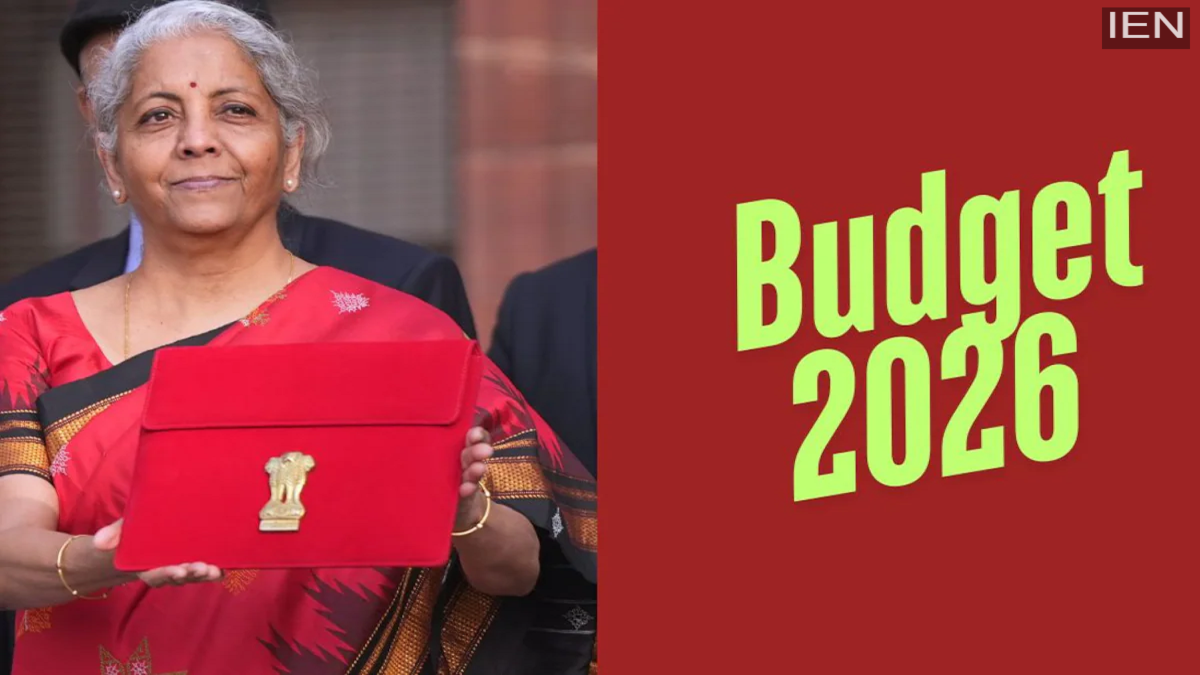
Mahatma Gandhi Gram Swaraj Yojana: Today, February 1, 2026, Finance Minister Nirmala Sitharaman presented Budget 2026 in Parliament. A major focus of the budget was on developing the rural economy and traditional industries under a new framework. In this context, the Mahatma Gandhi Gram Swaraj Yojana was announced. This scheme is linked to the Samarth 2.0 mission, which aims to modernize the textile skills ecosystem.
This scheme attempts to establish Khadi, handloom, and handicrafts not just as cultural identities, but as strong livelihood models. The scheme emphasizes technology, skills, and market connectivity, along with natural, man-made, and new-age fibers. This will provide organized support to village-based craftsmanship, increasing employment, production, and income.
Village Craftsmanship to Receive a Boost
The aim of the Mahatma Gandhi Gram Swaraj initiative is to provide a common platform for scattered craftsmanship in villages. Khadi, handloom, and handicrafts will be transformed from local identities into organized livelihood models. Emphasis will be placed on cluster-based work, design support, training, and market connectivity.
The scheme will promote the use of natural, man-made, and new-age fibers, ensuring that products meet modern demands. Local artisans will receive high-quality tools, proper guidance on design, and new avenues for selling their products. The objective of the scheme is to ensure that products made in villages reach the market directly and that artisans receive a fair price for their work.
Who can benefit?
This scheme will benefit carpenters, handloom weavers, carpet weavers, and artisans associated with Khadi and handicrafts. The government will provide assistance in purchasing modern machinery and tools to improve both the speed and quality of work. The Samarth 2.0 mission will upgrade the textile skills ecosystem by integrating training, technology, and marketing. A key focus will be on increasing the annual income of artisans. Improved production, better packaging, and direct market access will boost demand for their products. This will not only ensure the survival of traditional skills but also transform them into a source of substantial income.
