
What is the difference between EMI and No-Cost EMI? Understand the full breakdown before buying a phone or TV.
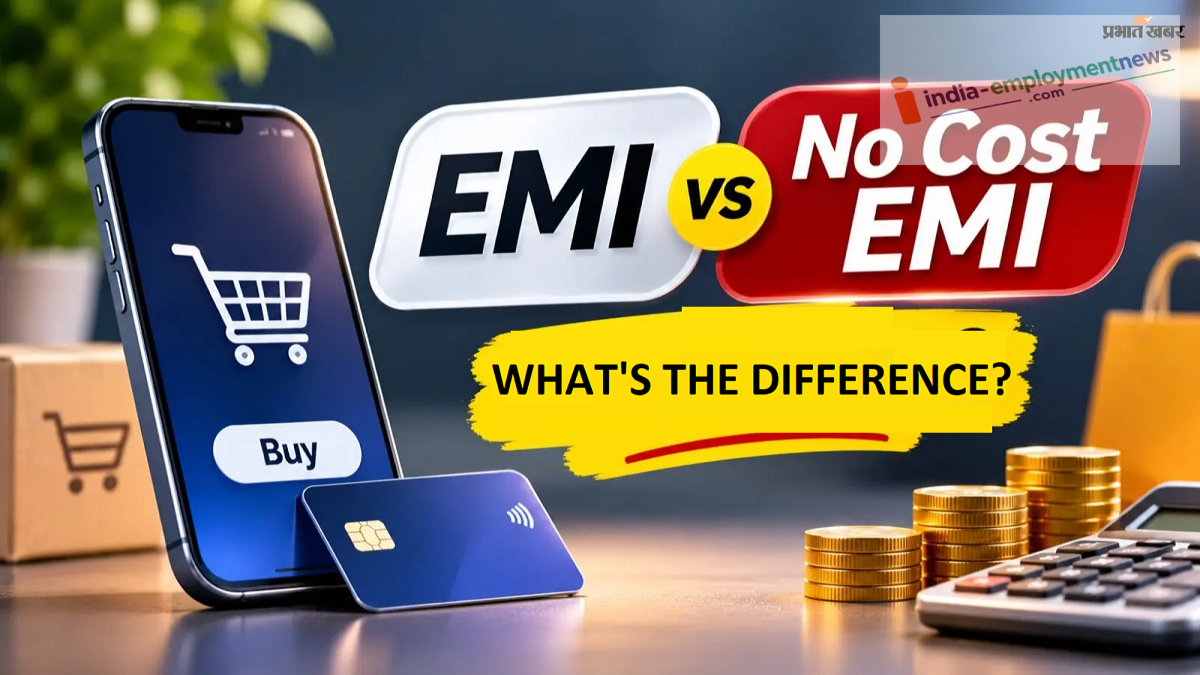
Understand the key differences between EMI and No-Cost EMI. Learn which option is more advantageous and what factors you should consider before making a purchase.
If you have ever shopped online or checked the price of a product, you have likely come across the options for EMI and No-Cost EMI. But have you ever wondered what the difference is between the two? Do you have to pay interest on a standard EMI, and is the interest zero in the case of a No-Cost EMI?
In reality, while both options allow you to pay for a product in installments, the underlying calculations differ. With a standard EMI, the customer typically has to pay interest, whereas, with a No-Cost EMI, the interest cost is covered through a discount or another arrangement provided as part of the offer.
This is why a No-Cost EMI often sounds more beneficial. But is there truly no additional cost involved? Let’s break it down in simple terms.
What is an EMI?
EMI stands for "Equated Monthly Instalment." It refers to a fixed installment paid every month. When you purchase an item via EMI, its total cost is spread out over several months. This installment may include both the original price of the product and the interest charged.
For example, suppose you buy a phone worth ₹30,000 using a standard 6-month EMI plan. The bank or finance company may charge interest on this, meaning you could end up paying more than ₹30,000 over the 6-month period. The total amount will depend on the interest rate and the bank's terms and conditions.
What is a No-Cost EMI?
With a No-Cost EMI, you also pay for the product in installments, but the interest cost is not directly borne by the customer. Typically, while the bank or finance company does charge interest, the seller or the company compensates for this cost by providing a discount. For example, if a 6-month 'No Cost EMI' plan is available for a phone priced at ₹30,000, the monthly installment would be ₹5,000, totaling ₹30,000 to be paid. However, this calculation holds true only if there are no additional charges associated with the offer.
What is the difference between a standard EMI and a 'No Cost EMI'?
| Basis |
Regular EMI |
No Cost EMI |
|---|---|---|
| Interest |
Customers may have to pay interest. |
Interest costs are adjusted through the offer. |
| Total Payment |
The total amount paid may exceed the original product price. |
The total payment is generally kept equal to the original product price. |
| Availability |
Available on a wide range of purchases. |
Available only on selected products and with participating banks. |
| Additional Charges |
Additional fees may apply. |
Additional fees may also apply. |
'No Cost EMI' may still involve extra costs.
A 'No Cost EMI' does not necessarily mean you won't have to pay any extra money. Banks may sometimes levy certain charges, so keep these factors in mind when purchasing items like a phone or a television:
Processing Fees: Banks may charge a one-time fee to initiate an EMI plan.
GST: You might also be required to pay GST on the interest (if any) and bank fees.
Cash Discount: Often, a significant discount is offered if you pay the full price upfront; however, this discount is usually not available if you opt for a 'No Cost EMI'.
Late Payment Charges: If you fail to pay your EMI installments on time, the bank may impose a penalty.
Which option is better when buying a phone or a television?
If you prefer not to pay the full amount at once and there are no additional charges involved, a 'No Cost EMI' can be a suitable option. However, always calculate the total cost carefully before making a purchase. Compare the price of the product when paying in full (cash payment) versus the total amount you would end up paying through an EMI plan.
Let’s look at an example: Suppose a phone is priced at ₹30,000, but you can get it for ₹28,000 if you pay the entire amount upfront. In such a case, think twice before opting for a 'No Cost EMI'—by choosing to pay in installments, you might end up losing out on a ₹2,000 discount. Keep in mind that with a standard EMI, you may have to pay interest, whereas with a 'No Cost EMI,' the interest cost is adjusted through an offer. Therefore, do not make a decision based solely on the monthly installment amount; instead, consider the total amount you will end up paying. Additionally, be sure to account for processing fees, GST, and any discounts you might receive.
