
What is the best time to refuel with CNG—day or night—and when does the cylinder hold more gas?
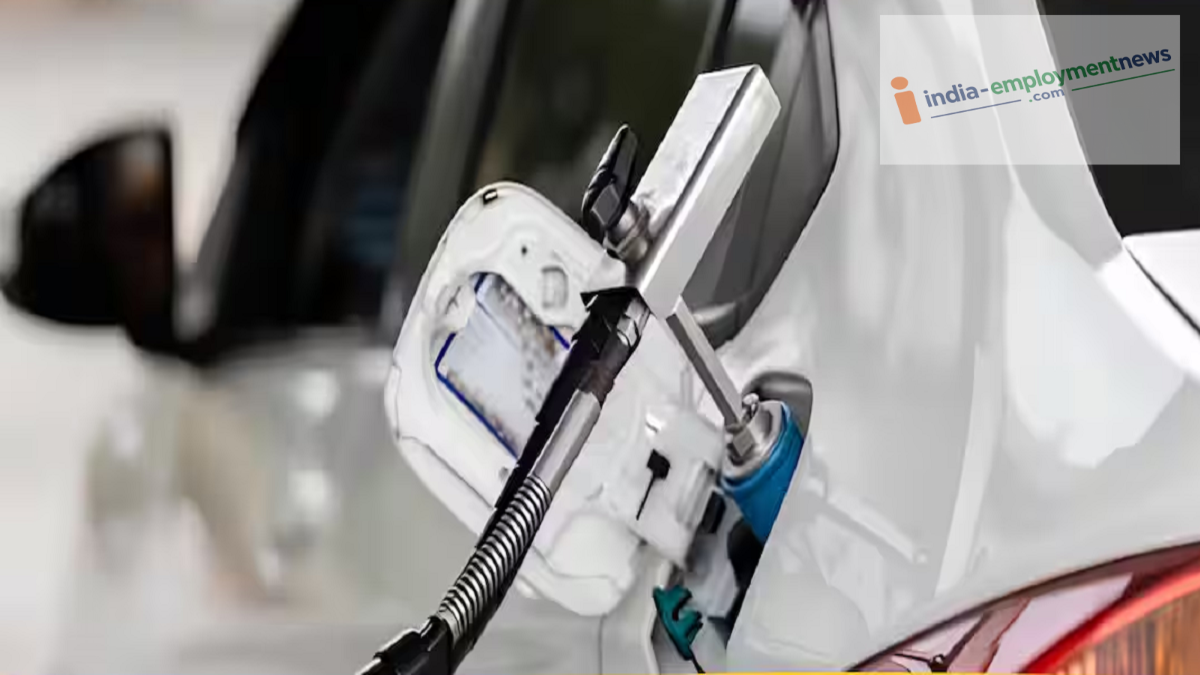
If your vehicle runs on CNG, do you know the ideal time to refuel to get a slightly larger quantity of gas? If not, here is what you should know.
The use of CNG vehicles is increasing day by day. If you own one, you might have heard that refueling early in the morning or at night yields more gas. It is important to understand the truth behind this claim.
In fact, this idea is not entirely incorrect, as CNG becomes denser at lower temperatures. This allows a slightly larger amount of gas to fill the vehicle's tank, which can also improve mileage. Let’s explore why refueling early in the morning or at night results in more gas entering the tank and what the underlying reason is.
The impact of cold temperatures
It is well known that CNG is a gas, and its density is affected by the ambient temperature. In cooler weather, the gas becomes denser within the vehicle's tank; consequently, refueling during cooler periods allows a slightly larger quantity of gas to be accommodated.
How significant is the benefit?
Refueling in the morning or at night does not mean there will be a massive difference in mileage. The benefit is marginal, but if you wish to save even a small amount, refueling during these cooler times can prove advantageous.
Pressure also plays a role
The pressure at which CNG is filled into the vehicle is also a significant factor. Since temperatures are lower during the morning and night, the process of filling CNG into the vehicle can be more efficient; refueling at these times not only allows slightly more gas to enter the tank but also ensures it is filled at the optimal pressure.
