
What is SIM Binding technology, and how will it help prevent fraud?
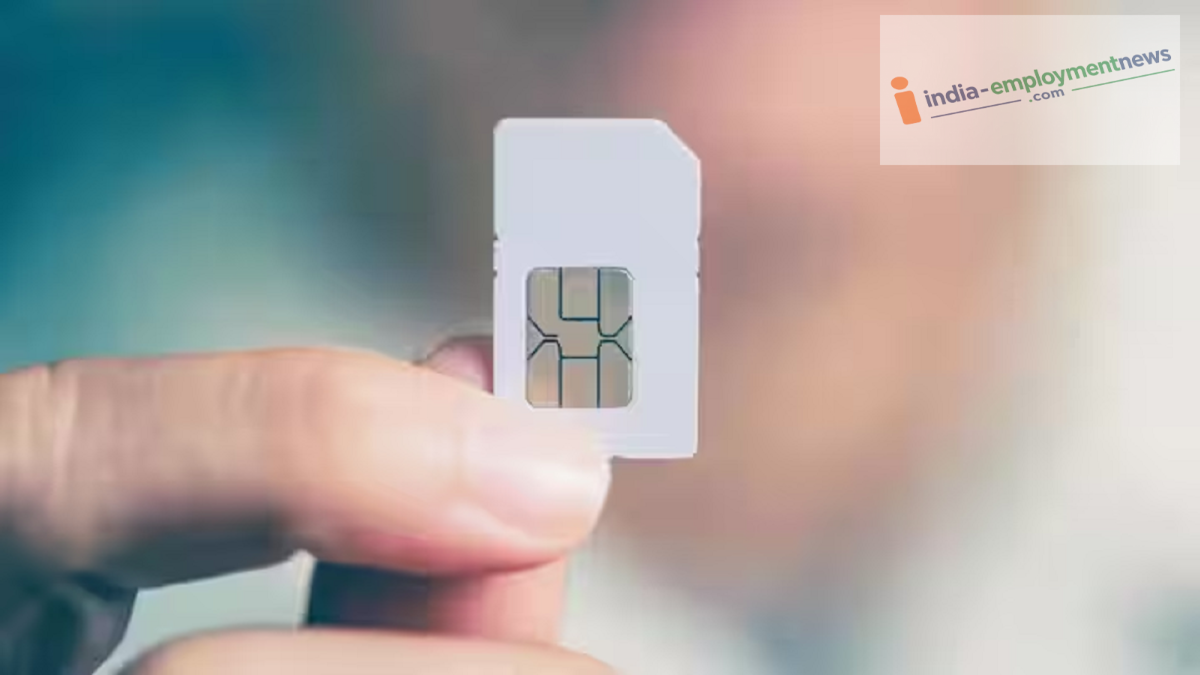
Starting January 1, 2027, the rules for using WhatsApp and Telegram in India are set to change completely. The government is implementing 'SIM Binding' technology—let’s understand what this technology is all about.
With the arrival of the new year, the regulations for using messaging apps like WhatsApp and Telegram in India are set for a major overhaul. From January 1, 2027, 'SIM Binding' rules will come into effect nationwide, impacting millions of users. Currently, people can access these apps on different devices simply by using an OTP, without needing the actual SIM card inserted. This has led many to wonder: what exactly is SIM Binding?
SIM Binding is a technology that links your messaging account to the physical SIM card inside your phone. Under the new rules, you will only be able to use WhatsApp and Telegram on a device that contains the active SIM card associated with that account. Using these apps via Wi-Fi alone—without the SIM card present—will no longer be possible starting January 1.
The Department of Telecommunications has taken this strict measure to curb the rapidly rising incidents of online cyber fraud and the creation of fake accounts. The government has set a deadline of December 31, 2026, for all companies to implement this system. This decision follows significant financial losses—amounting to thousands of crores—suffered by people across the country due to cyber fraud in recent years.
The implementation of SIM Binding technology will effectively dismantle the networks used by online fraud syndicates. Often, scammers operate from different cities, creating fake accounts using only an OTP to target victims. Since the apps will now verify the presence of the SIM card within the device, any fraudulent accounts lacking an associated SIM card will be automatically deactivated.
Through this new regulation, the government aims to ensure that the mobile number used on any digital platform remains in the possession of its legitimate owner. A messaging app will only function if the registered phone number remains active within the device's SIM slot. This measure will also help prevent account hacking via OTP theft, as hackers would not have physical access to your SIM card.
This change will primarily affect users who chat via Wi-Fi on devices lacking a SIM card, such as certain tablets or phones. Additionally, it may pose challenges for those who travel abroad frequently, users who change their phones often, or individuals who use multiple phone numbers on a single device. Removing the SIM card will cause the messaging account on your phone to stop working immediately.
However, there is some relief for those who use the service on desktops or laptops. While there was initial speculation that WhatsApp Web users would be required to re-login every six hours, this six-hour logout rule has been scrapped. Instead, the logout mechanism on the web version will now be based on the level of risk associated with the user's account.
This significant system change will apply not only to WhatsApp and Telegram but also to several other popular social media apps. According to government directives, platforms such as Snapchat, Signal, and Josh will also be subject to this "SIM-binding" requirement; some of these apps have already begun testing this on Android.
Tech experts believe that while this new, stricter policy may cause some initial inconvenience for the average user, it will lead to a substantial decline in cybercrime. A recent survey indicates that many users have expressed concerns regarding this shift. Therefore, to ensure your account remains active after January 1, 2027, please ensure that your registered SIM card is inserted into the device you use for the app.
