
What is an e-SIM? Learn about the technology it uses; you'll be surprised by its advantages and disadvantages.
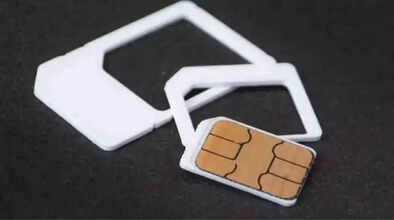
What is an e-SIM? The way smartphones connect to mobile networks is gradually changing. At the heart of this change is the e-SIM, or embedded Subscriber Identity Module.
What is an e-SIM? The way smartphones connect to mobile networks is gradually changing. At the heart of this change is the e-SIM, or embedded Subscriber Identity Module. Many new and premium smartphones now support this technology, which naturally raises the question in users' minds: what exactly is an e-SIM, and how is it different from a regular SIM card?
What is an e-SIM?
An e-SIM is a type of virtual SIM that is embedded inside the phone, smartwatch, or tablet. Unlike a plastic SIM card, there's no need to insert or remove anything externally. It is activated digitally by the telecom company, which is a completely secure process.
How does an e-SIM work?
An e-SIM is activated through the phone's settings. There's no hassle of opening the SIM tray or using a pin. Once activated, it provides call, messaging, and mobile data services just like a regular SIM. Since it's fitted inside the phone, companies get more space inside the device, which they can use for a larger battery or other hardware features. In India, companies like Jio, Airtel, and Vodafone-Idea already offer e-SIM support.
Major advantages of e-SIM
The biggest advantage of an e-SIM is its convenience. There's no need to remove the SIM card or visit a store to change networks. Everything is done digitally. Many phones also allow saving multiple e-SIM profiles, making it easy to switch networks while traveling or when the network is weak. Additionally, the fear of losing or damaging the SIM card is eliminated. The absence of a SIM tray also makes the phone more dust and water resistant. Some Limitations of e-SIM
While e-SIM offers several advantages, it also has some drawbacks. If a phone with a physical SIM card malfunctions, it's easy to remove the SIM and insert it into another phone. However, this is not possible with an e-SIM. In case of phone failure, you have to reactivate the number through your telecom company. This process is sometimes not instantaneous. Some people also believe that because it's a software-based SIM, it might raise privacy concerns.
How Secure is e-SIM?
In terms of security, e-SIM and physical SIMs are considered almost equal. 3G, 4G, and 5G networks are generally more secure than public Wi-Fi. Data transmitted over mobile networks is encrypted, making it difficult to hack. Therefore, using an e-SIM does not pose any additional security risk to your phone.
e-SIM or Physical SIM: Which to Choose?
Whether e-SIM or physical SIM is better depends on your needs. If you prioritize easy setup, quick network switching, and a cleaner phone design, then e-SIM is a good option. On the other hand, if you prefer simplicity, widespread availability, and the ability to quickly swap SIM cards, then a physical SIM is right for you. In both cases, it's wise to back up your data and network settings.
