
What is a Hybrid Solar System, and what are its pros and cons? Find out everything here.
Hybrid Solar System: This solar energy system combines the benefits of both on-grid and off-grid systems, making it a top choice for many, though it comes at a higher cost.
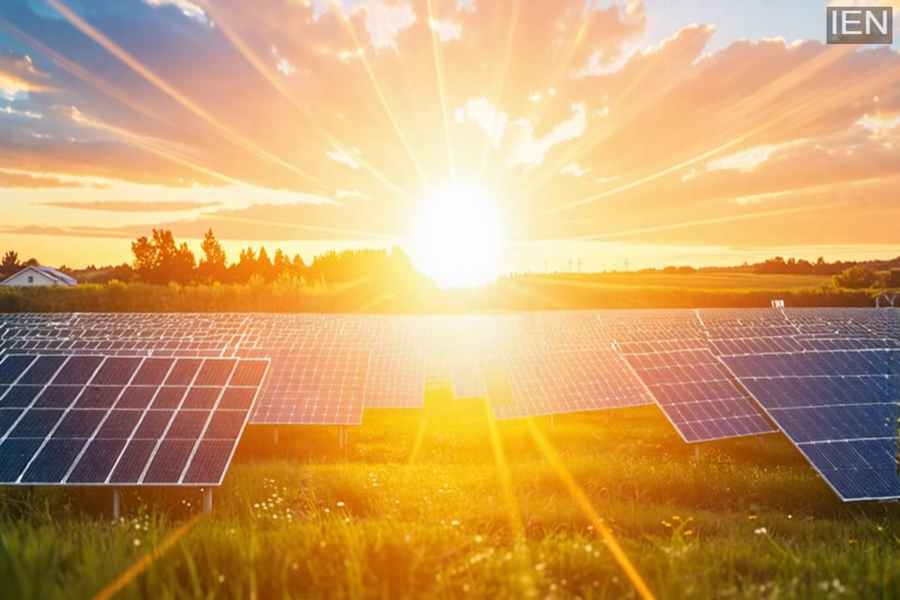
Hybrid Solar System: If you want relief from both high electricity bills and the hassle of power outages, a hybrid solar system is the right option for you. It incorporates features of both on-grid and off-grid systems, making it a perfect energy solution. So, if you are planning to install a solar energy system, you should definitely learn about this option. Today, we will explain what a hybrid solar system is and discuss its advantages and disadvantages.
What is a Hybrid Solar System?
It is a solar energy system connected to both a lithium battery bank and the power grid. During the day, it generates electricity from sunlight to meet energy needs while simultaneously charging batteries for use at night. Any excess energy generated can be supplied back to the grid. Setting this up requires solar panels, a hybrid solar inverter, a battery bank, a grid connection, and a net meter. Like other systems, it can easily last for 25–30 years.
What are the advantages of a Hybrid Solar System?
- Power Backup: In the event of a power outage, this system acts as a backup. Energy needs can be met using the stored battery power. It operates around the clock, ensuring you don't have to worry about electricity availability at any time of day or night.
- Bill Savings: This system can export generated electricity to the grid; in return, you get electricity to use, saving you from paying hefty bills amounting to thousands of rupees.
- Clean Energy Source: Unlike other systems, it does not rely on fossil fuels to generate electricity. It generates electricity from sunlight, which has no adverse impact on the environment.
What are the disadvantages of a hybrid solar system?
- High Cost – The installation cost of a hybrid solar system is higher than that of other systems; in comparison, an on-grid solar power system is significantly cheaper. The higher cost also extends the payback period, meaning it takes longer to recover the investment through electricity bill savings.
- Battery Replacement Hassle – While solar panels easily last for 20–25 years, batteries do not have the same longevity. Consequently, there is the hassle of replacing the battery every 5–7 years, which further increases the overall cost.
- Complex Installation and Maintenance – Installation is more complex compared to on-grid systems. It requires extensive wiring and configuration, which also complicates maintenance.
