
What happens if your bank branch closes or shifts to another location? Here are the full details..
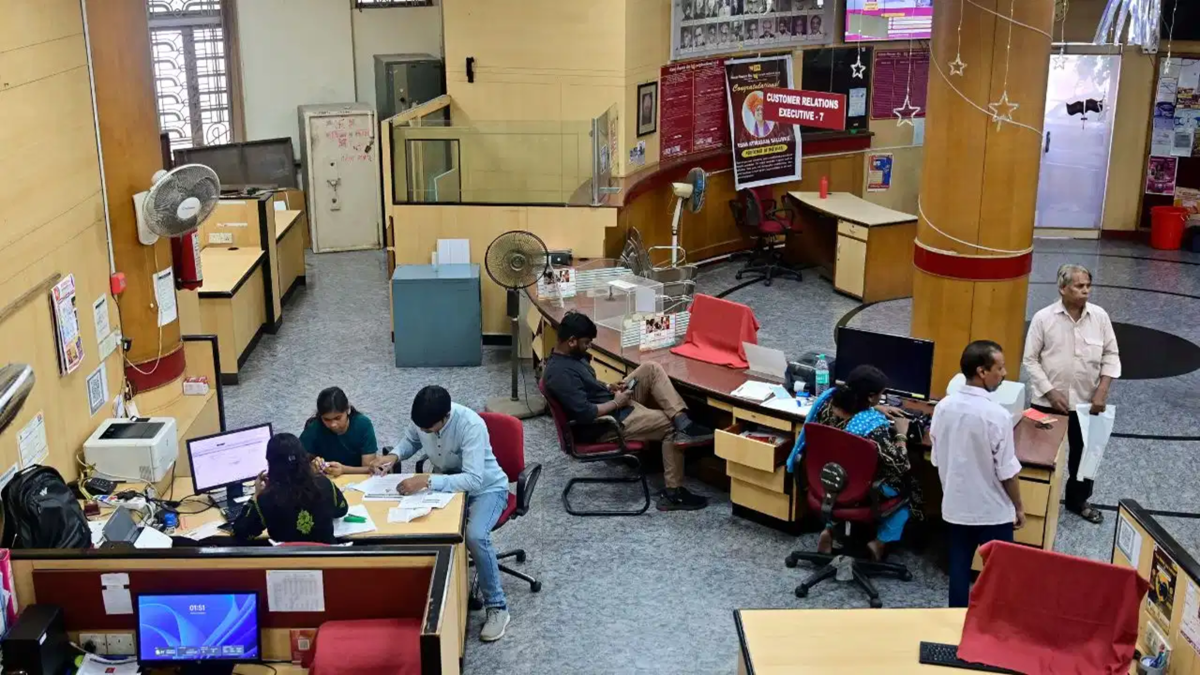
If your account is held at a branch of SBI, HDFC Bank, or any other bank that is closing down or relocating, several questions might arise in your mind. Will your account be closed? What happens to your deposited funds? Do you need to open a new account? Will the IFSC code, chequebook, and passbook change? A branch closure or relocation does not mean your account will be closed; banks typically transfer customer accounts to another branch. Here is how this affects your account, payments, IFSC code, chequebook, and locker.
What happens to your account when a branch closes?
A branch closure does not directly impact your bank account or deposited funds. The bank can transfer your account to another branch and is required to inform you about this.
Massive fire at Mumbai BEST's Anik Depot; 10 AC buses gutted, panic ensues.
If the account is being transferred to another branch of the same bank, there is usually no need to open a new account; your existing account will continue to operate.
According to RBI guidelines, KYC details already completed remain valid when an account is transferred from one branch to another within the same bank, provided the necessary KYC conditions are met. Therefore, a customer should not need to undergo the entire KYC process again simply because the branch has changed.
Will the IFSC code and chequebook change?
This is a crucial question. After a branch change, customers should verify the new branch's banking details. These may include the new branch address, IFSC code, and details related to the chequebook and passbook.
If the IFSC code changes, you may need to update the new details wherever the old IFSC code was being used. Therefore, make sure to confirm the new IFSC details with the bank.
Regarding the chequebook, check with the bank whether your existing chequebook can still be used or if you need to obtain a new one. This arrangement may depend on the specific bank and the nature of the branch transfer.
What happens to salary, EMI, and SIP payments?
If you receive your salary or pension in your account every month, it is essential to verify these payments after the branch transfer. Additionally, check your EMIs, SIPs, insurance premiums, bill payments, and any other auto-debit or standing instructions. The goal is to ensure that no payments fail due to the branch change. If the bank has issued new account details or an IFSC code, make sure to update them wherever necessary.
Are a branch closure and a bank merger the same thing?
No, they are different. If only a single branch of a bank closes or shifts to a new location, the account is usually transferred to another branch of the same bank.
In contrast, a bank merger involves the amalgamation of one bank into another. Such situations can lead to changes regarding accounts, branches, internet banking, debit cards, chequebooks, and other banking services. The bank informs customers about these changes. Therefore, a notification regarding a branch closure should not be mistaken for a bank merger.
What happens if you have a bank locker?
If you hold a bank locker, you should specifically inquire about the situation when a branch closes or shifts. The locker facility might be transferred to the new branch, or alternative arrangements could be made.
According to RBI regulations regarding lockers, the bank is required to inform customers in advance in such situations. In certain cases, the bank must also issue a public notice in two newspapers, one of which must be in the local language.
Customers with lockers should ask the bank where their locker will be available next, how it will be accessed at the new location, and whether any new documentation or agreements are required.
Essential steps to take if you hear about a branch closure
As soon as you receive information about a branch closing or shifting, check these key details in your bank records. Check if your registered mobile number and email address are correct.
Verify whether your address is updated in the bank's records.
Find out the address and IFSC code of the new branch.
Check if your existing chequebook remains valid or if a new one is required.
Ensure that salary credits, pension payments, EMIs, SIPs, and other automated payments are functioning correctly.
If you hold a locker, inquire about its new location and the associated procedures.
Beware of fraud related to branch closures
Cyber fraudsters may exploit news of branch closures or bank mergers to send fake messages. These messages might ask you to update your KYC, verify your account, or click on a specific link.
In summary, the closure or relocation of a bank branch does not mean you will lose your account or deposited funds. Typically, your account is simply transferred to another branch of the same bank. Customers should simply ensure they timely check details regarding the new branch, IFSC code, chequebook, automated payments, and locker arrangements.
Disclaimer: This content has been sourced and edited from TV9. While we have made modifications for clarity and presentation, the original content belongs to its respective authors and website. We do not claim ownership of the content.
