
What changes have been made to the rules for withdrawing PF, and how will they affect those working in the private sector?
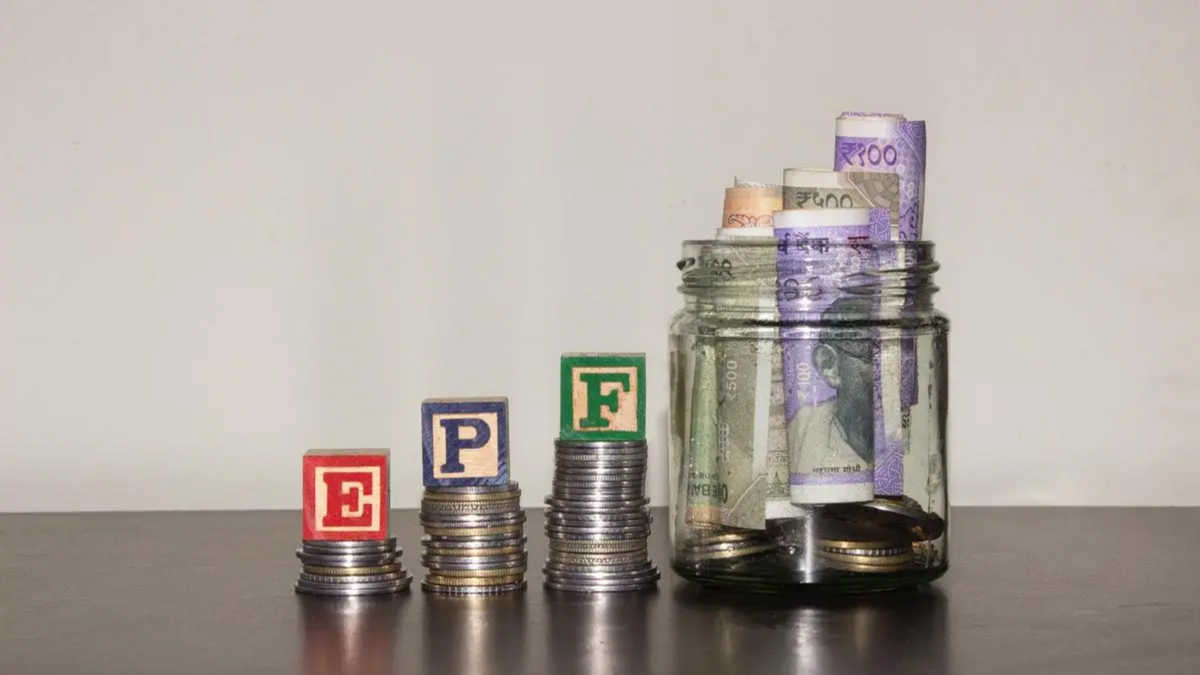
In its recent meeting, the Board of Trustees of the Employees' Provident Fund Organization (EPFO) took three major decisions regarding the funds deposited in employees' Provident Fund (PF) accounts.
Key decisions include providing an option to withdraw PF balances in installments after retirement, reducing the timeframe for the final settlement of a PF account upon leaving a job, and lowering the minimum threshold for an employee's contribution to their PF account. Learn all about how these three decisions will impact employees' PF accounts.
Facility to withdraw funds in installments after leaving a job
Under the first decision, the Board has decided to allow subscribers—or account holders—to withdraw their accumulated PF funds in installments after retirement, rather than as a lump sum. This enables employees to make withdrawals from their PF accounts on a monthly, quarterly, or half-yearly basis, much like receiving a salary. This also eliminates the concern of having to invest a large, one-time lump sum received upon retirement. A significant feature of this arrangement is that the remaining balance in the PF account will continue to earn interest at the prescribed rate.
The option to withdraw in installments is voluntary; employees may still choose to withdraw their entire PF balance at once. Furthermore, members have the option to withdraw only the interest earned. In the event of an account holder's death, this facility will also be available to eligible family members or beneficiaries. It should be noted that this facility is entirely separate from the Employees' Pension Scheme (EPS).
Example: Suppose an individual has a balance of ₹50 lakh in their PF account upon retirement. They opt to withdraw ₹5 lakh annually (distributed monthly, quarterly, or half-yearly). By the end of the following year, the balance in their account would be ₹45 lakh. If the annual interest rate is 8%, they would earn ₹3.60 lakh in interest on the remaining ₹45 lakh. Consequently, by the end of the second year, the total balance in the employee's account would be ₹48.60 lakh.
Reduction in the Waiting Period for Final Settlement
Under a recent decision, the EPFO’s Board of Trustees has reduced the waiting period for the final settlement of a Provident Fund (PF) account—following an employee's departure from a job—from 12 months to two months. Under the existing system, if an employee did not secure formal employment within 12 months of leaving or being terminated from a job, they were permitted to withdraw the entire balance from their PF account.
This balance includes the employee's contribution, the employer's contribution, and the pension component (if applicable). Following this new decision, an individual will be able to access this facility just two months after leaving or being terminated from their job, allowing them to settle their PF account and withdraw the full amount. It should be noted that once a PF account has been settled, any benefits from the old account cannot be transferred or merged into a new PF account if the individual resumes employment.
Requirement to Maintain a Minimum Balance
The EPFO allows its members to make partial withdrawals from their PF accounts for various purposes, such as medical treatment, house construction, children's education, or for the marriage of the member or their children. Such withdrawals are made exclusively from the employee's own contribution portion. Members may make these withdrawals in accordance with EPFO regulations. Previously, employees were required to maintain a minimum of 25 percent of their PF account balance; this requirement has now been reduced to 10 percent. This is also referred to as the 'lock-in' amount. For example, if an employee has one lakh rupees in the portion of their PF account consisting of their own contributions, they can now withdraw up to 90,000 rupees. Previously, only a withdrawal of up to 75,000 rupees was permitted.
Disclaimer: This content has been sourced and edited from Dainik Jagran. While we have made modifications for clarity and presentation, the original content belongs to its respective authors and website. We do not claim ownership of the content.
