
What changes can you now make to a DDA flat without permission? Find out the new renovation rules..
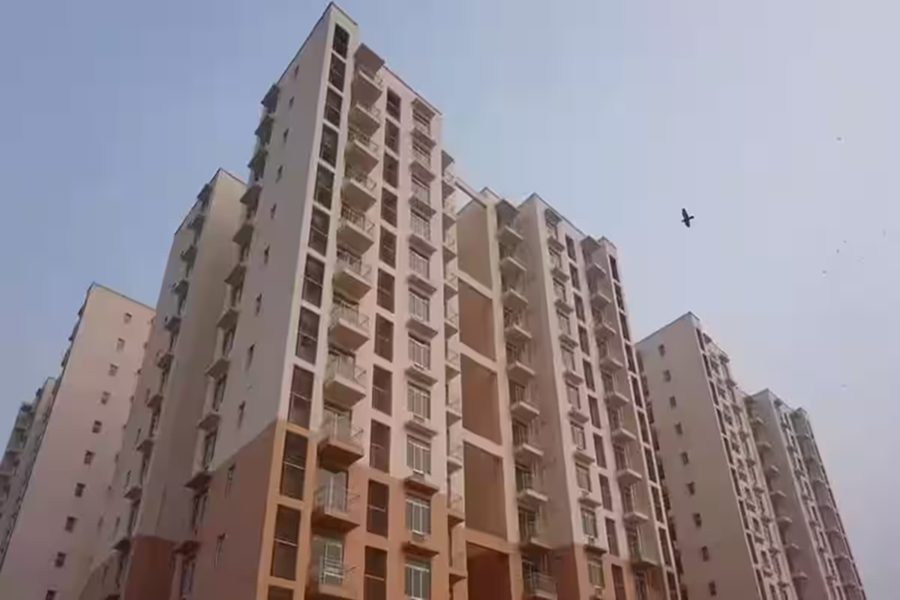
DDA renovation norms: There is significant and welcome news for Delhi Development Authority (DDA) flat owners in the capital. The DDA has made major changes to its renovation and repair regulations, exempting several types of modifications from the formal approval process. Under this new policy, effective this month, flat owners can undertake tasks such as raising balcony railings or parapets, removing non-load-bearing internal walls, shifting doors, constructing lofts, replacing flooring (with waterproofing), and installing PVC water tanks without seeking prior permission from the DDA or the municipal corporation.
**Modifications allowed without prior permission**
According to DDA officials, the revised policy classifies these changes as "condonable" (permissible); therefore, prior approval is not required.
**Balcony and Safety:** To enhance safety, the height of balcony parapets (railings) can be raised up to 5 feet using grills or glazing.
**Boundary Walls:** Walls enclosing front and rear courtyards can be raised to a height of 7 feet using wire fencing or mesh, provided ventilation is maintained.
**Door Alterations:** New doors can be installed, or existing ones relocated, in front or rear courtyards, provided common pathways remain unobstructed.
**Wall Removal:** Non-load-bearing internal partition walls (approximately 4.5 inches thick) can be removed without permission to create more living space.
**Interior and Utility Upgrades:** This includes constructing storage lofts, replacing flooring (incorporating waterproofing), and installing additional PVC water tanks at the ground floor or garage level. Prior permission is no longer required for these activities.
**Why did the DDA change rules that had been in place since 2007?**
DDA officials explained that many of Delhi's housing societies were constructed decades ago. Family needs were different in the past compared to today. Over time, residents often needed to make minor modifications to optimize storage, ventilation, or space utilization; however, obtaining approval even for small tasks was a lengthy process, leading to growing complaints.
A senior DDA official stated that the policy governing modifications and renovations in DDA flats had remained unchanged for nearly two decades. This marks the first time since 2007 that the authority has amended the policy to provide convenience to homeowners without compromising structural safety.
He added that the objective of this new policy is to eliminate ambiguity, allowing the DDA’s enforcement team to focus on taking action against illegal encroachments and unsafe construction rather than routine home improvements.
For which modifications is approval still mandatory?
The DDA has clarified that this policy does not grant a license for unregulated or illegal construction. Formal permission and certification will remain mandatory for the following major and structural modifications:
Structural changes: DDA approval is required for any work affecting the flat's main structure, extensions, full enclosure of balconies or terraces, or anything that impacts structural safety.
Kitchen and bathroom: Modifications to the kitchen or toilet that affect the building's structure.
For such proposals, applicants must submit certificates from registered architects and structural engineers, pay the prescribed fees, and—in many cases—provide consent from affected neighbors. Encroaching on common areas, constructing additional floors, or tampering with load-bearing walls remains strictly prohibited, and such actions will attract penal measures.
What will be the impact on Delhi's property market?
Real estate experts and market analysts believe that this DDA decision will primarily benefit flat owners and prospective buyers in Delhi's older residential areas. An improvement in the resale value and demand for older DDA flats located in prominent areas like Dwarka, Vasant Kunj, Rohini, Pitampura, Mayur Vihar, and Janakpuri could be witnessed. Previously, buyers shied away from purchasing older flats due to the hassle of obtaining legal approvals, but now they will be able to legally modernize the flats according to their preferences.
Mohit Gavri, Vice President of real estate consultancy firm Rise Infraventures Limited, stated, "Earlier, every minor alteration in DDA flats required approval, which increased both time and costs, causing buyers to hesitate. These new rules eliminate that hurdle and make DDA homes more marketable. In established DDA colonies where the supply of new housing is limited, this..."
Disclaimer: This content has been sourced and edited from Money Control. While we have made modifications for clarity and presentation, the original content belongs to its respective authors and website. We do not claim ownership of the content.
