
What are the different types of waiting list tickets on trains, and which one gets confirmed first?
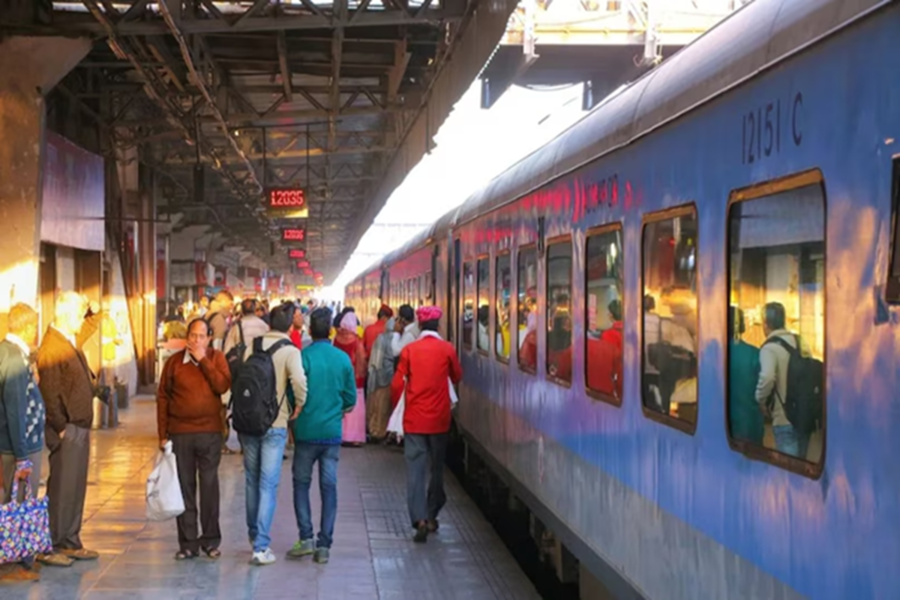
Often, a passenger's ticket remains unconfirmed despite having a lower waiting number, while another passenger secures a seat despite having a higher waiting number. The reason for this lies in the type of waiting list. People are frequently confused by codes like GNWL, PQWL, RLWL, TQWL, RQWL, or SSWL printed on their tickets. Let us understand what these mean and which waiting list category gets confirmed first.
Trains remain the most affordable and popular mode of travel in India. Millions of people travel by train every day. Securing a confirmed ticket during festivals, holidays, and peak seasons is a major challenge, often forcing many to book waiting-list tickets. When booking, most passengers focus on just one thing: the waiting number. However, few realize that not all waiting-list tickets are the same. Railways maintain various types of waiting lists, and the probability of confirmation differs for each.
The waiting list category with the highest chance of confirmation is GNWL (General Waiting List). This applies to passengers starting their journey from the train's originating station or major intermediate stations. Since the highest number of cancellations occurs in this category, GNWL tickets are considered the most likely to get confirmed. If a passenger holds a GNWL ticket, their chances of confirmation are better compared to other waiting list categories.
Next is PQWL (Pooled Quota Waiting List). This is intended for passengers boarding at an intermediate station and traveling to another intermediate station. To illustrate: if a train running between Kolkata and Delhi passes through Patna and Lucknow, and you book a waiting-list ticket from Patna to Lucknow, you receive a PQWL ticket. The Railways sets aside a specific quota of seats for such passengers and confirms these wait-listed tickets if any of the allocated seats are cancelled. In such cases, the likelihood of a PQWL ticket getting confirmed is lower than that of GNWL, yet there remains a possibility of securing a seat in many instances.
Next is RLWL, or Remote Location Waiting List. This is allocated to passengers traveling from remote or smaller stations. The Railways designates a specific quota for certain stations; if all seats within that quota are filled, RLWL tickets are issued. Confirmation in this category depends entirely on cancellations occurring within that specific station's quota; consequently, the probability of confirmation is considered significantly lower than that of GNWL.
During festivals and holidays, when all Tatkal tickets are booked, many passengers are issued TQWL—the Tatkal Waiting List. This is the waiting list for the Tatkal quota. The chances of TQWL ticket confirmation are limited because they rely solely on cancellations within the Tatkal quota itself; if no seats become vacant in this quota, the ticket does not get confirmed.
RQWL, or Request Quota Waiting List, is a relatively lesser-known category. It is assigned to passengers traveling between two stations where neither the General Quota nor the Pooled Quota applies. The likelihood of confirmation in this category is quite low due to the limited number of seats available.
Meanwhile, SSWL (Senior Citizen Waiting List) and LDWL (Ladies Waiting List) are waiting lists associated with seats reserved for the specific categories of the elderly and women. These waiting lists become active once the seats designated for senior citizens, women, or other specific categories are fully booked. Confirmation depends on seat availability within the respective quota and on cancellations.
Often, a ticket with a GNWL of 40 gets confirmed, whereas a ticket with an RLWL of 5 or TQWL of 2 might remain on the waiting list. Therefore, the next time you book a railway ticket, make sure to check not just the waiting list number but also the category. This is what indicates the likelihood of your seat getting confirmed.
Disclaimer: This content has been sourced and edited from Dainik Jagran. While we have made modifications for clarity and presentation, the original content belongs to its respective authors and website. We do not claim ownership of the content.
