
Want to get a passport made? The government has introduced new rules; everything from fees to validity has changed..
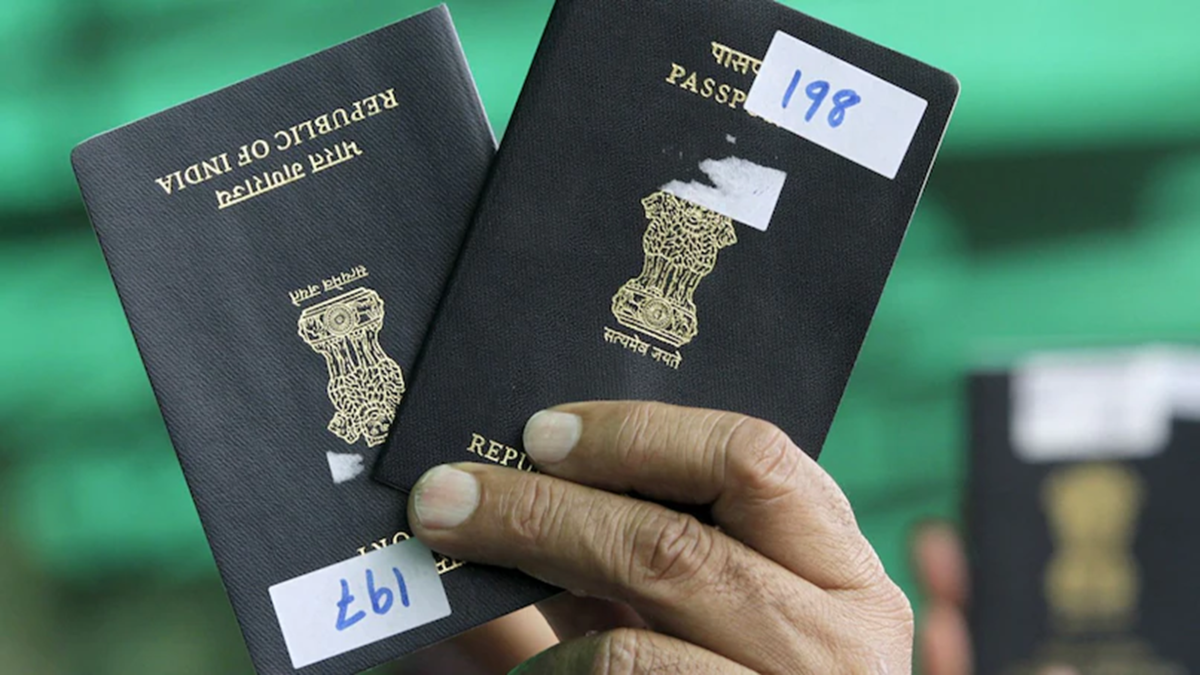
If you are planning to get a new passport, you will need to pay closer attention to both your finances and your documentation. The Ministry of External Affairs has introduced significant changes to passport-related rules. These changes will affect various types of passport applications, impacting everyone from children to adults. The most crucial change concerns the validity of passports for children. A standard 36-page passport issued to a child under the age of 15 will no longer be valid for the usual 10-year period. Instead, its validity will be limited to either 5 years or until the child turns 18—whichever comes first. Consequently, the child's age at the time of application will now be a significant factor.
Additionally, passport fees have been increased. The new fee structure applies to everything from standard applications to the 'Tatkaal' (expedited) service. Whether applying for a new passport, renewing an old one, or obtaining a replacement due to loss or damage, applicants will now have to pay higher charges for various services. The fee for the Police Clearance Certificate (PCC) will also fall under this new fee structure. The Ministry of External Affairs has notified the Passport Rules Amendment, 2026. These new rules were published in the Gazette of India in September 2026.
**Change in Passport Validity for Children Under 15**
The most significant change under the new rules concerns standard passports for minors. A standard 36-page passport issued to a child under 15 will now remain valid for 5 years from the date of issue or until the child turns 18, whichever period ends first. The passport will become invalid as soon as the earlier of these two timeframes expires.
For instance, if a 14-year-old child is issued a passport, they will turn 18 before the 5-year validity period concludes. In such a case, the passport will expire on their 18th birthday. Conversely, for a very young child, the 5-year validity period might expire first. This amendment has been made to Rule 12(1A) of the Passport Rules, 1980. **Significant Changes to Fees**
The Ministry of External Affairs has implemented a new fee structure for various passport-related services. Under the normal category, a new or renewed 36-page passport for adults will now cost ₹2,500; previously, the fee was ₹1,500. The fee for a 60-page passport has also increased from ₹2,000 to ₹3,500. The cost of the 'Tatkaal' (expedited) service will also rise; a 36-page adult passport under this scheme will now cost ₹5,000, up from the previous ₹3,500. The fee for a 60-page Tatkaal passport has been raised from ₹4,000 to ₹6,000.
**Increased Fees for Minors**
Passport fees for children have also been revised. For a new or re-issued 36-page passport in the normal category, the fee is now ₹1,750, compared to the earlier ₹1,000. A fee of ₹3,000 has been set for a similar passport under the Tatkaal service. Fees may be higher in cases where a passport is lost or damaged; for instance, replacing a 60-page passport under the Tatkaal service will now cost ₹8,500, up from ₹5,500.
**10% Discount for Young Children and Senior Citizens**
Amidst the fee hikes, a measure of relief remains in place. A 10% discount will continue to apply to new passport applications for children under the age of 8 and senior citizens over the age of 60. However, this concession will not apply to cases involving the re-issuance of passports.
**Rules Effective Immediately**
The Ministry of External Affairs has notified these changes to the passport rules. The amendments have been made to the Passport Rules, 1980. The new provisions aim to align the validity of children's passports with their age and to revise the fee structure. New fee-related charges have been implemented from July 1, while the revised rules were published in the Gazette in September 2026.
Disclaimer: This content has been sourced and edited from TV9. While we have made modifications for clarity and presentation, the original content belongs to its respective authors and website. We do not claim ownership of the content.
