
Vehicles to Use More Than 20% Ethanol; PM Modi's Advisor Confirms
The government is preparing to approve ethanol blending levels above E20 through flex-fuel vehicles. A significant statement has been made by Tarun Kapoor, an advisor to Prime Minister Narendra Modi
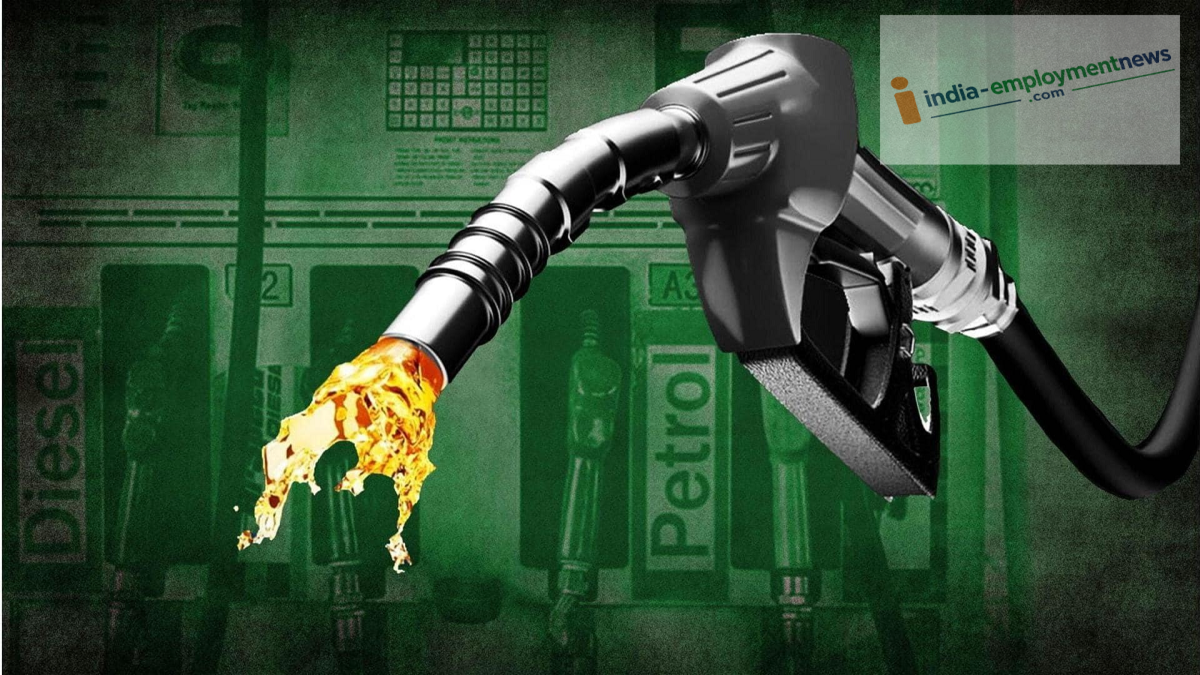
The government is gearing up to permit ethanol blending levels higher than the current E20 standard, utilizing flex-fuel vehicles. Tarun Kapoor, advisor to Prime Minister Narendra Modi, shared this information on Wednesday. The government believes that since domestic ethanol production has now surpassed current requirements, the time is right to move beyond the E20 (20% ethanol blend) limit.
Addressing the fourth edition of 'The India Sugar and Bio-Energy Conference 2026' virtually, Tarun Kapoor stated that the E20 program has been highly successful so far, and several automobile companies have announced plans to launch flex-fuel vehicles soon. He said, "Our focus is now on introducing flex-fuel vehicles and permitting blending percentages higher than E20." He added that alongside the introduction of such vehicles, the availability of pure ethanol at fuel outlets must also be increased.
Objective of the Government's New Policy
PM Modi's advisor further noted that promoting biofuels has become even more critical amidst the West Asia crisis. This crisis has disrupted supplies and pushed crude oil prices to nearly $100 per barrel, with the possibility of further increases.
Since India imports over 80% of its crude oil requirements, rising international crude oil prices are a cause for concern; higher prices lead to increased import costs, greater dollar expenditure, and added pressure on foreign exchange reserves. Given that the country's production capacity for ethanol derived from sugar and maize has increased, it makes sense to utilize this surplus ethanol. Flex-fuel vehicles offer the best means to consume it.
What are flex-fuel vehicles?
Standard vehicles currently on the road can only handle fuel blends containing up to 20% ethanol (E20); using a higher concentration could damage engine components. In contrast, flex-fuel vehicles are equipped with engines capable of running smoothly on blends ranging from 20% up to 85% or even 100% (pure) ethanol. Sensors within these vehicles automatically detect the ethanol content in the fuel and adjust engine performance accordingly.
Addressing recent criticism regarding E20 blending, Tarun Kapoor stated that much of the negative feedback was either based on misinformation or driven by vested interests. He noted that studies have shown E20 performs well, and the higher octane content compensates for any slight reduction in fuel efficiency.
