
US Companies Launching New Solar Panels: Higher Power Output and Longer Lifespan
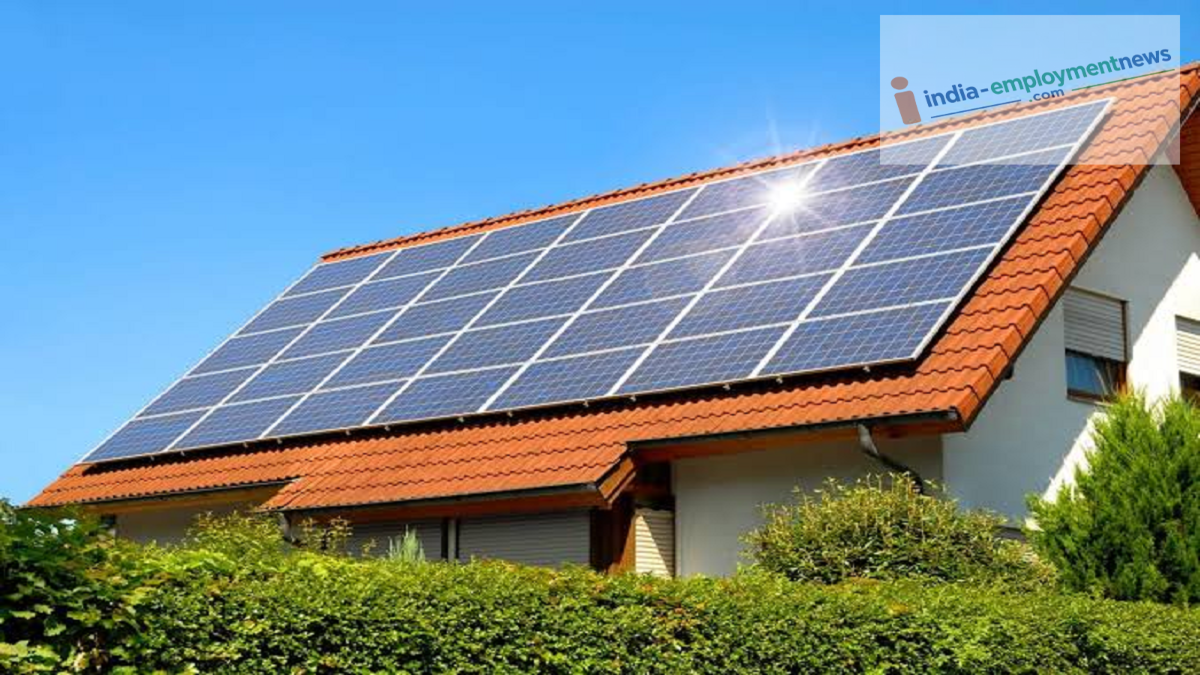
A major shift is coming to the solar sector. Thanks to new technology from US companies, solar panels that generate more electricity in less space and offer a longer lifespan are now becoming available. Here is what you need to know about this technology.
Households across the globe rely on numerous appliances that run solely on electricity. Homes with high electricity consumption often face steep utility bills. To address this issue, many households are now installing solar panels. In India, the 'PM-Surya Ghar: Muft Bijli Yojana' (Free Electricity Scheme) is being implemented, offering government subsidies for solar panel installations. Significant advancements are also being witnessed in solar panel technology itself.
To meet the rising demand for electricity, US tech and energy companies are collaborating to launch advanced solar panels that outperform traditional silicon panels—generating significantly more power and boasting a longer lifespan. Let’s explore what makes these new solar panels special and how they differ vastly from older models.
How Does the New Tandem Solar Technology Work?
The core technology driving these new, advanced solar panels is known as "perovskite-silicon tandem technology." While traditional solar panels consist of a single layer, these new tandem panels combine two distinct light-absorbing layers. The top layer is made of perovskite crystals...
...which capture the high-energy spectrum of sunlight, while the underlying traditional silicon layer captures the remaining light. This dual-layer design allows the panels to convert a much larger portion of the sun's rays into electricity. This increases their efficiency by 25 to 30 percent compared to older technology.
They will generate up to 40 percent more electricity.
The biggest advantage of these new American solar panels is their ability to generate significant power even in limited space. Compared to traditional panels, they produce approximately 25 to 40 percent more electricity within the same footprint, meaning fewer panels are required to meet your needs. Previously, there were concerns that perovskite materials would degrade quickly when exposed to moisture and heat.
However, American companies have completely overcome this limitation through innovative engineering and protective coatings. Laboratory and field tests have now proven that these new tandem panels withstand prolonged exposure to sunlight, rain, and adverse weather without issues, exhibiting an annual degradation rate of less than one percent.
How beneficial are these new solar panels?
In terms of cost, the initial manufacturing expense for these modern tandem solar panels is indeed slightly higher than that of traditional silicon panels. However, a major advantage is that they significantly reduce the project's overall cost. Since high electricity output can be achieved with fewer panels on large buildings, expenses related to installation, wiring, and land use are drastically reduced.
Several major American companies are preparing to roll these out on a large scale for commercial and utility applications, making the technology easily accessible to every household in the coming years. Overall, this new generation of solar panels holds the potential to liberate consumers from electricity bills in the future and elevate renewable energy to new heights.
