
UPI vs. Credit/Debit Cards: With MDR waived, which payment option is best for your festive shopping?
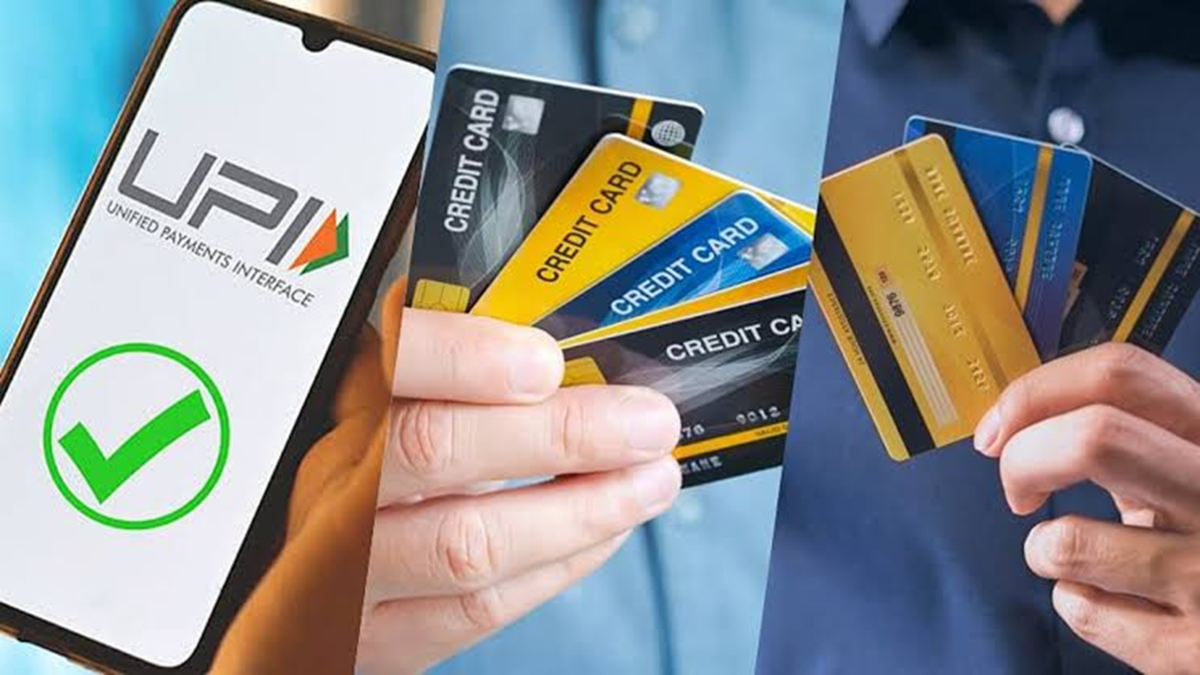
The deadline for the implementation of MDR (Merchant Discount Rate) on UPI has been extended from October 15 to January 1, 2027, providing some relief to merchants. Consequently, people are wondering about the best payment method for their festive shopping—one that saves money and avoids extra charges. Let’s compare UPI, cash, and credit cards to determine the best option for your shopping needs.
UPI vs. Debit/Credit Card:
When news regarding MDR on UPI first emerged, it faced significant public opposition. Some people began to feel that using debit or credit cards might be preferable. However, the National Payments Corporation of India (NPCI) has clarified that even with a 0.4% MDR, UPI remains significantly cheaper than debit or credit cards. In other words, using a debit or credit card instead of UPI would incur charges higher than the UPI MDR.
Payment Method | Estimated Merchant Charge
UPI | 0.4% (up to a maximum of ₹300)
Debit Card | Up to 0.90%
Credit Card | Approximately 2% on average
According to the NPCI, for a merchant payment of ₹10,000, the UPI MDR charge works out to be 80% cheaper than that of a credit card. You can understand the breakdown of charges for a ₹10,000 transaction below:
Credit Card (2%): Approx. ₹200 charge
Debit Card (0.9%): Approx. ₹90 charge
UPI (0.4%): Only ₹40 charge
Which transactions will not incur charges?
Essentially, this will have no impact on the everyday transactions of the general public. All P2M transactions up to ₹2,000 will be completely free. Similarly, small merchants—such as street vendors or tea stall owners—will not incur any charges on earnings up to ₹1 lakh. In other words, if a small merchant receives ₹1 lakh or less via UPI in a month, no charges will apply, even if individual payments exceeding ₹2,000 were processed.
Disclaimer: This content has been sourced and edited from Dainik Jagran. While we have made modifications for clarity and presentation, the original content belongs to its respective authors and website. We do not claim ownership of the content.
