
UPI MDR: MDR implementation deferred until after Diwali; major decision taken due to the festive season..
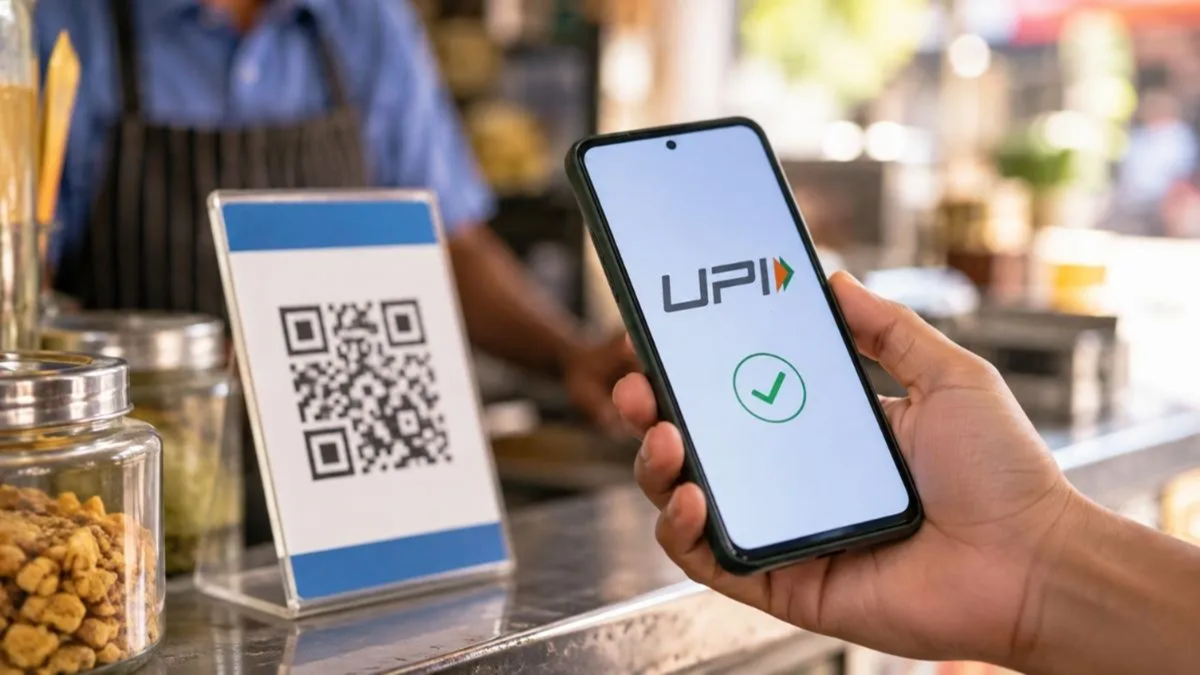
There is significant and welcome news for merchants using UPI payments. An NPCI notification has clearly announced that the deadline for the Merchant Discount Rate (MDR) applicable to UPI transactions has been extended from October 15 to a date after Diwali. This decision brings great relief to the millions of small and large merchants who were concerned about the possibility of charges being levied on digital payments.
For some time, there had been market speculation that the implementation date for MDR might be postponed. It has now been confirmed that this proposal has received official approval. The extension of the deadline means that merchants will not have to pay any additional MDR charges on UPI transactions until after Diwali; this not only preserves their profit margins but also provides further momentum to digital payments across the country.
Notably, when news of the MDR deadline for UPI first emerged, the shares of fintech companies—which had anticipated additional revenue from UPI—suffered a significant blow.
What is this rule all about?
The government had recently permitted the levy of a Merchant Discount Rate (MDR) on UPI transactions. Under this rule, an MDR charge of 0.4% was set for digital transactions exceeding ₹2,000. This charge was intended to be collected from merchants, a move expected to significantly boost the revenue of payment gateways and companies like Paytm and MobiKwik. When this decision was announced last month, the shares of these fintech companies had witnessed a sharp surge.
Why was the deadline postponed?
It is worth noting that merchants and business owners had requested more time to implement this system. This is why the government and relevant agencies have decided to implement it after Diwali instead of on October 15. Consequently, merchants stand to benefit significantly during the festive season.
What is MDR?
To put it simply, MDR refers to the fee charged to a shopkeeper for accepting digital payments. It is important to note that this should not be confused with a charge levied on the customer for every UPI transaction; rather, it is a fee that the merchant must pay to the bank or payment app for accepting payments via UPI.
Disclaimer: This content has been sourced and edited from Dainik Jagran. While we have made modifications for clarity and presentation, the original content belongs to its respective authors and website. We do not claim ownership of the content.
