
UPI is a hit, but cash remains the 'super king'—with ₹42.55 lakh crore in circulation.
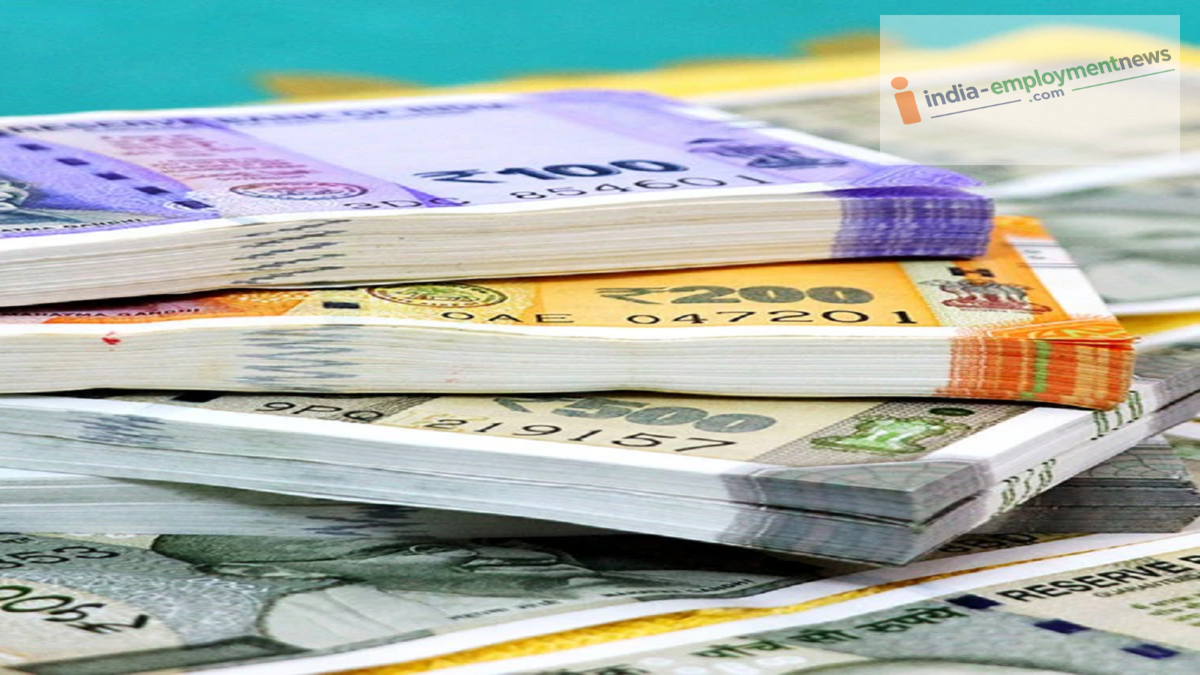
Despite the growing use of UPI for payments in 'Digital India,' the public's preference for cash has not waned. Consequently, the amount of cash in circulation has reached a record high of ₹42.55 lakh crore.
November 8, 2026, marked ten years since demonetization. Much has changed over this decade; digitalization has gained momentum, and people have increasingly adopted UPI for payments. Yet, the enduring appeal of cash remains undiminished.
According to the latest data from the Reserve Bank of India (RBI), the amount of cash held by the public reached a record ₹42.55 lakh crore as of October 15, 2026—an increase of approximately 137% from the ₹17.97 lakh crore recorded just before demonetization in November 2016. This figure is striking, especially given that UPI and digital payments in the country are currently at an all-time high; nevertheless, cash continues to reign supreme.
The Journey of Cash Over the 10 Years Since Demonetization
November 2016 (Just before demonetization): ₹17.97 lakh crore
January 2017 (The low point immediately following demonetization): ₹7.80 lakh crore
October 2026 (Current status, 10 years later): ₹42.55 lakh crore
Prime Minister Narendra Modi announced demonetization at 8:00 PM on November 8, 2016. Subsequently, effective from midnight on November 9, the existing ₹500 and ₹1,000 currency notes were rendered legally invalid.
At that time, these two denominations accounted for approximately 86% of the total currency in circulation. Their sudden removal from the market led to a severe cash crunch. Consequently, the amount of cash held by the public—which stood at ₹17.97 lakh crore on November 4, 2016—dropped to ₹7.8 lakh crore by January 2017. However, cash gradually began to return to the market thereafter.
Why is Cash Still Thriving in the Age of UPI?
Even though people are increasingly adopting UPI, there remain several sectors where the demand for cash stays high. In particular, in rural areas, as well as in real estate, agriculture, and the unorganized sector, cash transactions continue to be the preferred mode of payment.
Over the past decade, the country’s GDP has grown, and its population has increased. This has led to a rise in the overall demand for money within the economy. While digital payments have expanded, the growth in the overall scale of the market has also driven an increase in the absolute demand for cash.
Immediately following demonetization, the large-scale printing of new ₹500 and ₹2,000 notes—in terms of value—[impacted] the market... It had significantly accelerated the flow of cash. Although the ₹2000 notes were subsequently withdrawn in May 2023, by that time, the ₹500 notes had already completely taken their place. According to the latest data from the RBI, ₹500 notes alone now account for approximately 85.5% of the total cash currently in circulation in the market.
