
Turn ₹50,000 into ₹1 Lakh with This Post Office Scheme – Here’s How to Invest
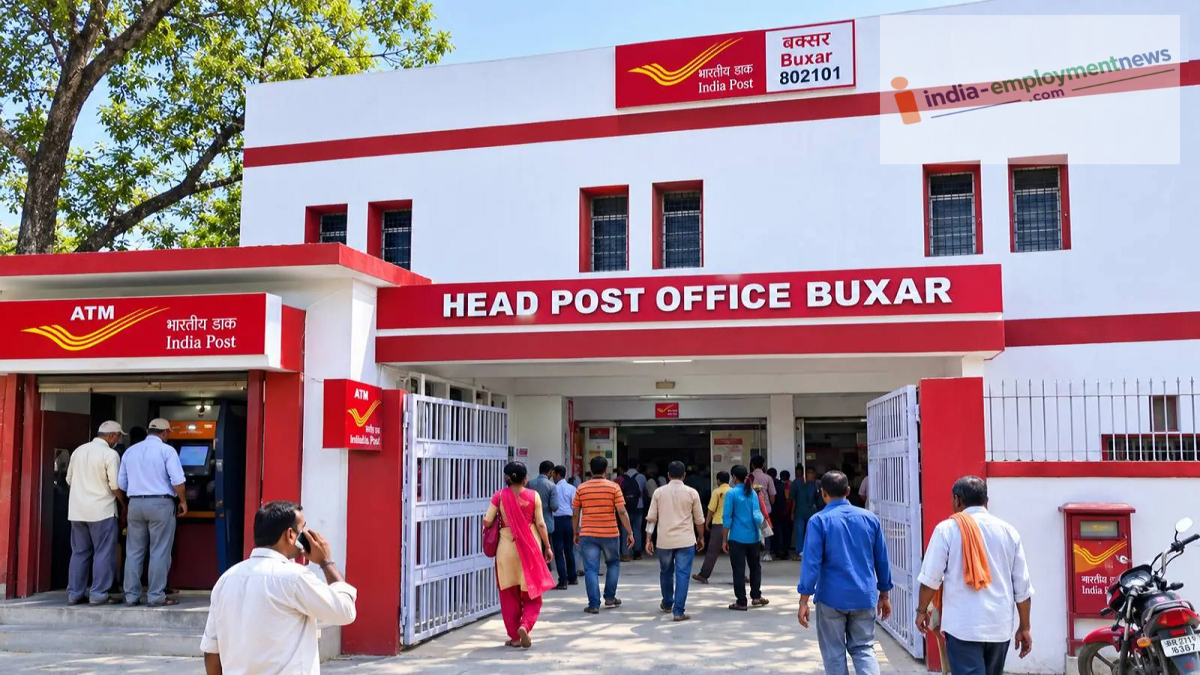
Invest ₹1 crore in the Kisan Vikas Patra (KVP) and receive ₹2 crore in 115 months. Learn about the 7.5% interest rate, tax implications, and rules for premature withdrawal.
If you are looking to invest a large sum in a secure environment while avoiding market volatility, the Post Office’s Kisan Vikas Patra (KVP) scheme is an excellent option. This is a Post Office savings scheme with no upper limit on the investment amount. You can start with a minimum deposit of ₹1,000, and any subsequent deposits must be in multiples of ₹100. There is no maximum limit on the total amount that can be deposited in a single account or across all accounts held by an individual. You may open as many accounts as you wish, and you can even invest amounts of ₹1 crore or more.
Interest Rate and Maturity of Kisan Vikas Patra
For the quarter from October to December 2026, the Kisan Vikas Patra offers an annual interest rate of 7.5%. Interest in this scheme is compounded annually. A key feature of this scheme is that the invested amount doubles in 115 months—approximately 9 years and 7 months.
How much will ₹50,000 grow to?
The central government’s KVP scheme currently offers an attractive annual interest rate of 7.5% (compounded). Based on this rate, if you invest ₹50,000 today, your investment will double to ₹1,00,000 upon maturity after exactly 115 months (9 years and 7 months). Since there is no maximum investment limit, any amount you invest will double over this period.
How to invest in KVP?
Visit a nearby branch: You can purchase a KVP (Kisan Vikas Patra) certificate from any post office in the country or from select public sector bank branches.
Required documents (KYC): You will need an Aadhaar card, a PAN card, and passport-sized photographs as proof of identity and address.
Application form: Obtain the 'KVP Application Form (Form-1)' from the branch, fill it out accurately, and attach copies of your KYC documents.
Mode of payment: You can make your investment via cheque, demand draft, or account transfer. A PAN card is mandatory for investments of ₹50,000 or more.
Rules for premature withdrawal
Once invested in KVP, funds remain deposited for a long period. However, in certain specific circumstances—such as the death of the account holder, a court order, or other conditions stipulated by the rules—premature closure of the account is permitted.
What is the tax implication on KVP?
The interest earned from this scheme is taxable. This means you may be required to pay tax on the interest income according to your applicable income tax slab. Therefore, be sure to calculate the tax impact before investing.
Is it advisable to invest ₹1 crore?
KVP can be a good option for those seeking a secure investment with guaranteed returns. However, the funds remain locked in for approximately 10 years. Consequently, you should invest only after considering your personal requirements, potential emergency expenses, and tax liabilities. It is advisable to consult with a financial advisor before committing a large sum to a single investment scheme.
