
TTE vs. TC: Which Job in the Railways Is Better? Understand the Full Differences in Salary and Work Profile
If you are considering a career with Indian Railways, it is essential to understand the distinction between a TTE and a TC. While the salaries for both positions are roughly similar, there are significant differences regarding the nature of the work, duties, and lifestyle.
Even today, a job in the railways remains one of the most preferred career choices for young people. However, there is often confusion, particularly regarding posts such as TTE and TC. Many people mistake the two for the same role, whereas, in reality, their duties and responsibilities are quite distinct. Therefore, having accurate information about both positions is crucial before making a career choice.
A TTE—or Traveling Ticket Examiner—is an employee responsible for checking passengers' tickets while inside the train. Their duties are primarily performed on Express and Superfast trains. Their main responsibilities include allocating seats to passengers during the journey, clearing the waiting list, and resolving any issues or grievances passengers may have.
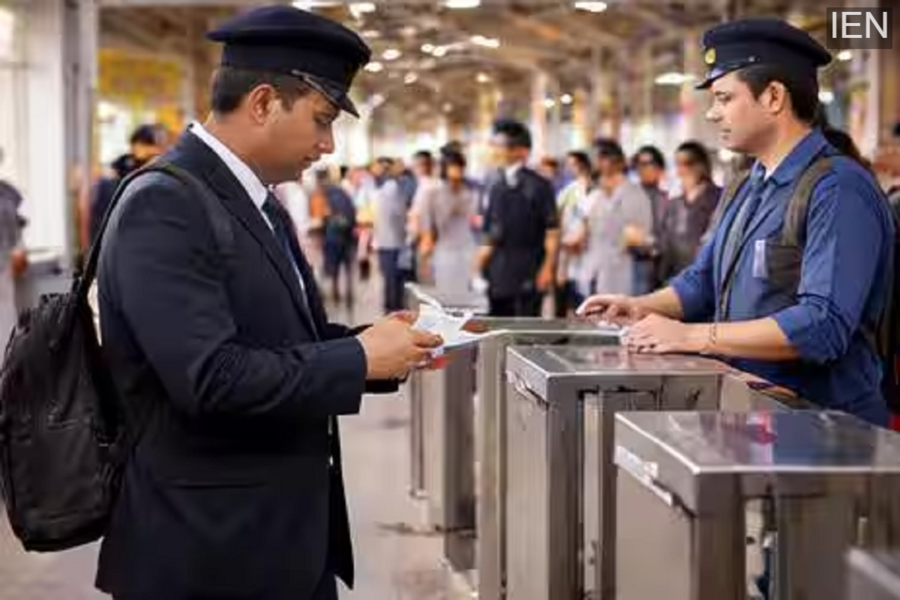
Conversely, a TC—or Ticket Collector—is stationed at the railway station. They check passengers' tickets at platforms, entry/exit gates, or foot-over bridges. Their primary duties involve collecting fines from passengers traveling without a valid ticket and providing accurate information to travelers.
In terms of salary, according to the 7th Pay Commission, the pay levels for both TTEs and TCs are approximately the same. The initial basic salary ranges from ₹21,700 to ₹30,000. Once various allowances are added, the in-hand salary can reach anywhere between ₹30,000 and ₹45,000.
However, a TTE's total earnings are generally considered to be slightly higher because they receive a "Running Allowance." They are granted an additional allowance for the time spent traveling on trains, which varies based on the distance covered and the specific trip details. For this reason, a TTE's overall salary can often exceed that of a TC.
The most significant difference between the two jobs lies in the work environment and working hours. A TTE is required to travel continuously along with the train, and their duty hours are not fixed or strictly scheduled. On the other hand, a TC's duties are stationed at the railway station, and they typically work in 8-hour shifts, resulting in a more stable lifestyle.
If you desire the opportunity to travel alongside a higher income, the job of a TTE might be the better choice. However, if you prefer fixed working hours and a stable life, the role of a TC would be the right option for you. Both positions offer a respectable and secure career within Indian Railways.
