
Train Ticket Cancellation Rules 2026: No Refund If Cancelled Within 8 Hours—Check New Charges
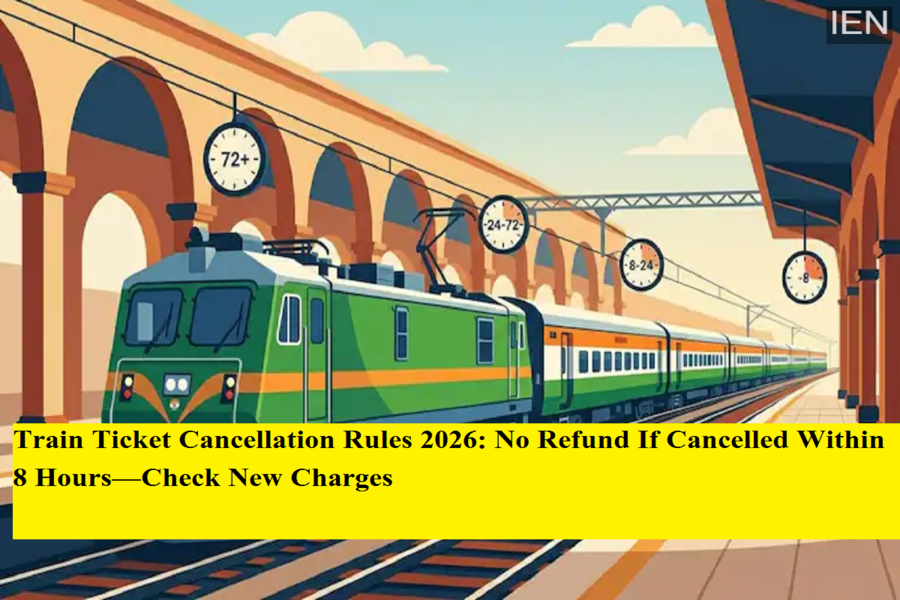
Indian Railways has introduced stricter ticket cancellation rules effective April 1, 2026, significantly impacting passengers who cancel their journey at the last minute. The revised policy tightens refund timelines and increases deduction charges, making late cancellations far more expensive than before.
If you frequently book train tickets or rely on last-minute travel flexibility, these changes could directly affect your travel costs. Here’s a detailed breakdown of the new rules and what they mean for you.
Last-Minute Cancellation? Be Ready to Lose Full Fare
Under the updated rules by Indian Railways, passengers cancelling tickets less than 8 hours before train departure will receive zero refund. This is a major shift from earlier norms, where some refund was still possible within a shorter window.
This change is aimed at discouraging last-minute cancellations and improving seat utilization.
New Cancellation Charges Explained
The revised refund structure introduces clear slabs based on how early you cancel your ticket:
1. Cancellation 24–72 Hours Before Departure
- Deduction: 25% of ticket fare
- Refund: 75% returned
Earlier, passengers could receive a higher refund, but now a fixed deduction applies.
2. Cancellation 8–24 Hours Before Departure
- Deduction: 50% of ticket fare
- Refund: 50% returned
This is a significant increase compared to previous rules, where deductions were lower in this time frame.
3. Cancellation Within 8 Hours
- Deduction: 100% (No refund)
- Refund: Zero
This is the strictest rule introduced in the new policy and will have the biggest financial impact on passengers.
What Has Changed Compared to Old Rules?
Under the earlier system:
- Tickets cancelled 8–12 hours before departure had a lower deduction (around 25%)
- Even within 4–8 hours, partial refunds were possible
- Only cancellations within 4 hours resulted in no refund
Now, the no-refund window has been extended to 8 hours, effectively doubling the penalty period.
Example: How You Could Lose Money
Imagine you booked a confirmed ticket worth ₹1,200 from New Delhi to Lucknow. Later, you find a better option through Tatkal booking for ₹1,600.
If you cancel your original ticket close to departure:
- Earlier: You might have received partial refund
- Now: If cancelled within 8 hours, you lose the entire ₹1,200
This makes last-minute changes significantly more expensive.
Who Will Be Most Affected?
These stricter rules will particularly impact:
- Business travelers: Frequent plan changes can lead to higher losses
- Tatkal users: Already paying premium fares, now face stricter refund rules
- Families with flexible plans: Booking multiple tickets as backup will become costly
Smart Tips to Avoid Losses
To minimize financial impact, consider these strategies:
1. Cancel Early
If there’s even a slight chance of plan changes, cancel your ticket at least 24 hours in advance to reduce deductions.
2. Avoid Multiple Bookings
Booking backup tickets across different trains can now result in heavy losses if not cancelled in time.
3. Watch for Travel Insurance Options
Some booking platforms may offer trip cancellation insurance in the future, which could help cover such losses.
Why These Changes Matter
The updated cancellation policy reflects Indian Railways’ effort to:
- Reduce last-minute seat wastage
- Improve availability for genuine travelers
- Encourage disciplined booking behavior
However, it also shifts more responsibility onto passengers to plan their journeys carefully.
Final Takeaway
With the new rules coming into force from April 1, 2026, cancelling a train ticket at the last minute will no longer be a small inconvenience—it could mean losing your entire fare. The safest approach is to plan ahead, monitor your schedule closely, and act quickly if your travel plans change.
Understanding these updated rules can help you avoid unnecessary losses and make smarter booking decisions.
