
Train News: No accident even if the loco pilot errs; Railways' 'Kavach' system to act as a shield for passengers
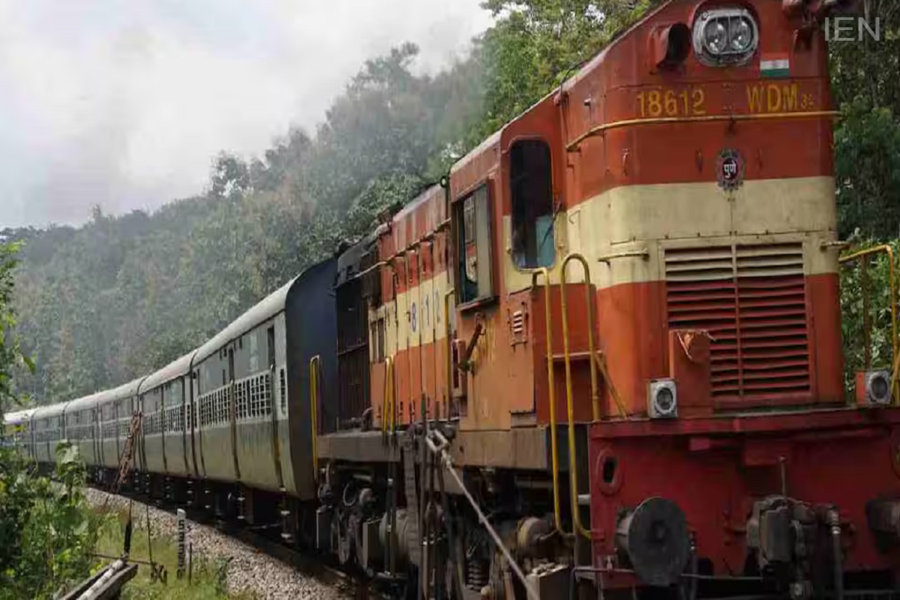
Ahmedabad Railway Division: Indian Railways has approved the installation of the 'Kavach 4.0' safety system across a 598 km route in the Ahmedabad Division at a cost of ₹140 crore, which will help prevent train accidents.
Indian Railways Kavach System: Indian Railways has taken a major step to further strengthen passenger safety. The 'Kavach' project has been approved for the Ahmedabad Division in Gujarat at a cost of ₹140 crore. Under this initiative, the indigenous 'Kavach 4.0' safety system will be installed along a 598-kilometer rail route. This technology will help prevent train accidents and minimize errors related to 'Signal Passing at Danger' (SPAD).
Prior to this, approval had already been granted to install the 'Kavach' system on approximately 702 kilometers of railway track in this division. With the inclusion of these new routes, the entire division will be covered by this modern safety system. This is expected to make train operations across the division safer and more reliable.
How does the Kavach system work?
Kavach is an indigenous Automatic Train Protection (ATP) system specifically developed to enhance railway safety. The technology maintains continuous communication between the train and the signaling system, taking immediate action in the event of any danger.
🚆🛡️ सुरक्षा का अभेद्य कवच: अहमदाबाद मंडल के संपूर्ण रेल नेटवर्क पर लागू होगी स्वदेशी कवच 4.0 प्रणाली
— DRM Ahmedabad (@drmadiwr) June 15, 2026
भारतीय रेल द्वारा अहमदाबाद मंडल के शेष 598 रूट किलोमीटर एवं 48 ब्लॉक सेक्शनों पर अत्याधुनिक स्वदेशी ट्रेन सुरक्षा प्रणाली कवच 4.0 के विस्तार को ₹140 करोड़ की लागत से स्वीकृति… pic.twitter.com/K13oijzHdJ
The system not only prevents the train from crossing a red signal (Danger Signal) but also automatically applies the brakes to control the train's speed when necessary. This significantly reduces the likelihood of rail accidents.
Key Safety Features
The most significant feature of the Kavach system is that it provides comprehensive safety. If the loco pilot fails to apply the brakes at the right time, the system automatically applies them. It controls high speeds and helps prevent accidents such as head-on collisions between two trains. This system maintains safe train speed and distance, particularly in conditions like fog or low visibility, thereby further enhancing passenger safety.
