
Traffic Challan: Don't ignore pending traffic challans; you won't be able to do these 5 things..
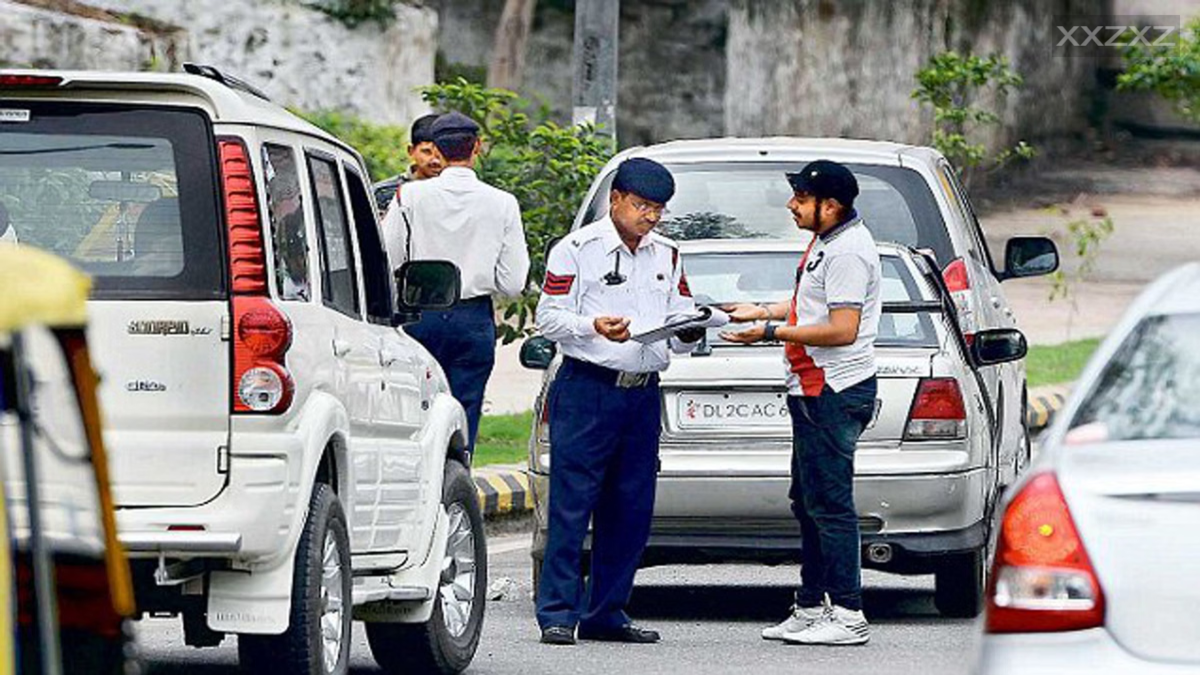
You will now need to be extra vigilant while driving to avoid receiving an automated traffic fine (challan). If a fine is issued due to a rule violation, the amount must be paid promptly; delays in payment could prove costly. In fact, while hearing a matter on road safety, the Supreme Court stated that unpaid fines could be added to the violator's electricity bill. Furthermore, pending fines could lead to consequences such as the cancellation of the driving license, the blacklisting of the vehicle's Registration Certificate (RC), or even the seizure of the vehicle.
Given the strict stance taken by the Road Transport Department and the courts, failing to pay pending fines on time invites serious legal and financial trouble, potentially even leading to imprisonment. In the current digital era, the Ministry of Road Transport and Highways' new traffic e-challan system has begun to crack down on rule violators. Therefore, if there are any outstanding fines against your vehicle, you should settle them immediately—either online or through the court.
...Challan amount could be added to electricity bills
While hearing a Public Interest Litigation (PIL) regarding road safety, a Supreme Court bench led by Justice JB Pardiwala made very stern suggestions regarding the recovery of e-challans. The court ordered that the e-challan amounts for individuals who drive negligently and fail to pay their fines should be added to their electricity bills. Since living without electricity is not feasible, this measure is expected to encourage better compliance with traffic rules. The court also expressed concern that while states and Union Territories are owed approximately ₹45,000 crore in e-challan fines, only ₹25,000 crore has been recovered so far. According to the court, merely issuing an e-challan is insufficient; ensuring the actual recovery of fines through strict measures on the ground is far more important. Failure to pay traffic fines can lead to these 4 major legal and financial complications:
**Court Summons, Non-Bailable Warrants, and Arrest**
If a traffic fine is not paid within the stipulated timeframe, the traffic department refers the case to the traffic court. If a vehicle owner fails to appear in court after receiving a summons, a fine may be imposed in their absence. Furthermore, continued non-compliance can lead a judge to issue a non-bailable warrant.
**Suspension of Driving License and Blacklisting of RC**
Repeatedly leaving fines unpaid can result in the temporary suspension or permanent cancellation of the driving license. Additionally, the vehicle's Registration Certificate (RC) will be blacklisted on the transport portal, preventing the transfer of the vehicle's ownership to another person.
**Disruption of PUC, RTO, and Insurance Services**
The Supreme Court has directed authorities to halt the issuance of Pollution Under Control (PUC) certificates for vehicles with pending fines. Similarly, the issuance of fitness certificates, duplicate RCs, and renewals is to be withheld. Moreover, technical issues may arise regarding insurance renewal and FASTag recharging.
Disclaimer: This content has been sourced and edited from NDTV India. While we have made modifications for clarity and presentation, the original content belongs to its respective authors and website. We do not claim ownership of the content.
