
These four mistakes can be costly when managing a savings account. Learn how to avoid them.
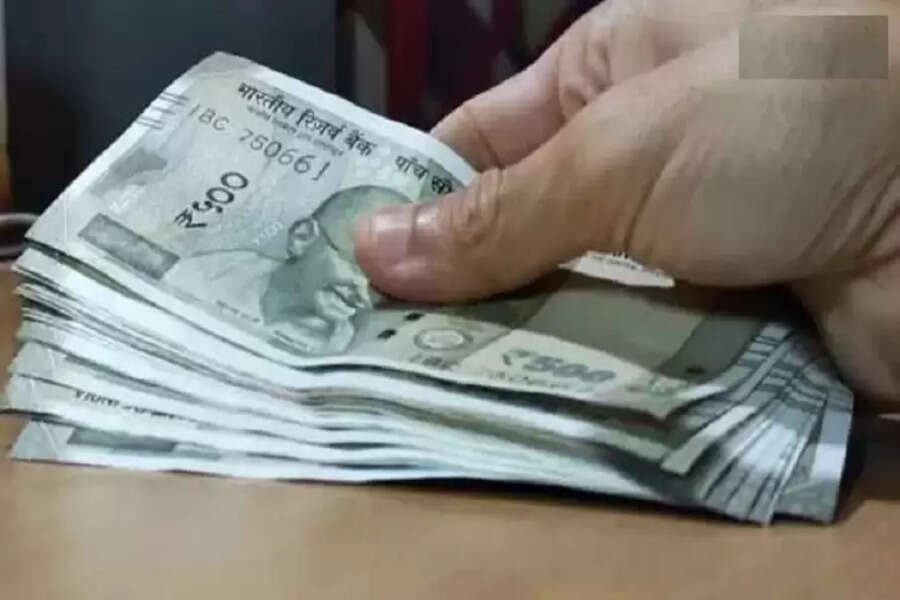
Savings Account Tips: Small mistakes can have a significant impact on your savings account. Learn which habits to avoid and how to keep your account safe. Otherwise, losses can occur.
People often open savings accounts and forget about them. However, small carelessness can lead to problems later. Many times, many things are overlooked, and these mistakes become a burden on the account. Therefore, it's important to avoid these four mistakes when managing your account.
People often take the minimum balance requirement lightly. However, this is the biggest charge. If the minimum balance is not maintained, the monthly penalty is slowly depletes your savings. It's best to keep balance alerts on and avoid leaving the account empty.
Leaving the same savings account unupdated for years is also a serious mistake. Failure to update KYC can lead to the bank freezing the account. Sometimes, problems arise when sending, withdrawing, or using cards. KYC and basic updates should be performed once a year.
Many people handle their ATM card, passbook, checkbook, or net banking information carelessly. Writing down passwords or sharing them with others is a major risk. Fraud is on the rise these days. Therefore, it's not wise to take digital security lightly.
Using debit cards everywhere without thinking is also a bad habit. Entering the card on suspicious sites, unsecured Wi-Fi, or random payment pages increases the risk. If necessary, UPI or credit cards are safer options.
Many people leave unused auto-debits or old subscriptions active in their savings accounts. These can slowly deplete the balance without you even realizing it. It's important to check your statement once a month to identify unwanted expenses and stop them immediately.
If you maintain multiple accounts with different banks, managing them becomes even more difficult. Banks declare accounts that remain inactive for a long time as dormant, increasing the hassle of reactivation later. It's best to keep as few accounts as necessary and close the rest.
