
The Real Link Between Credit Utilization and Your Loan Approval Odds
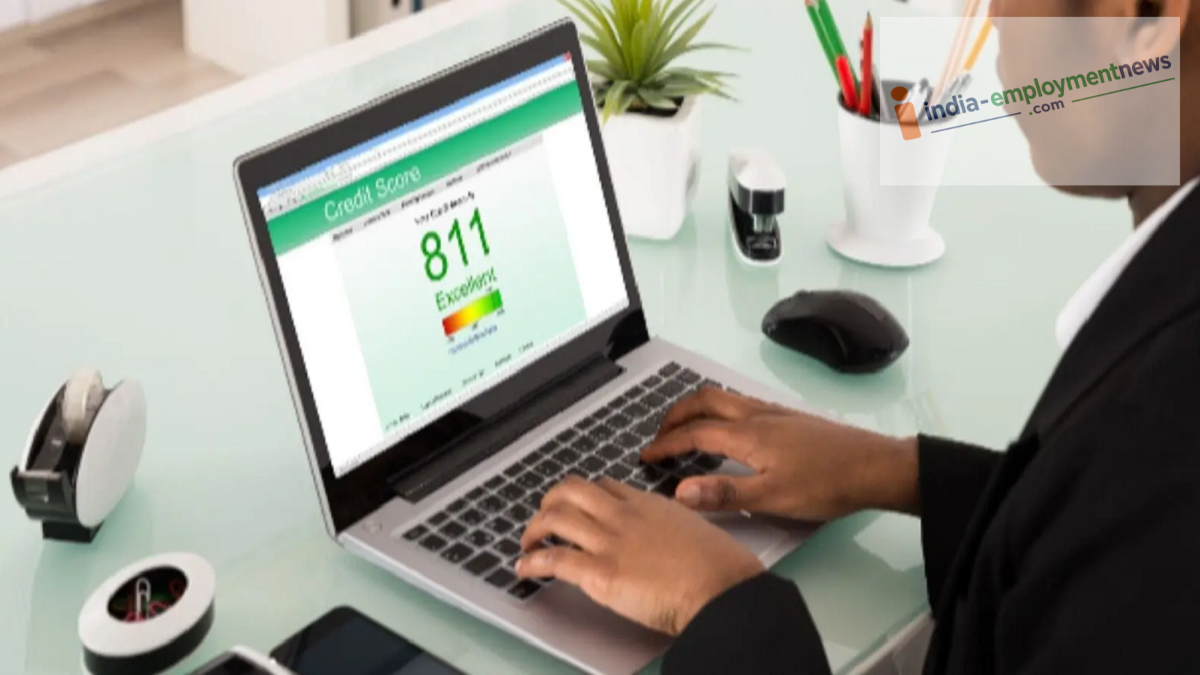
Most people know that paying bills on time matters for their credit score. However, very few understand the significance of the portion of available credit they are actually using, and how this single figure can quietly make or break a loan application.
What Credit Utilization Actually Means
Credit utilization is the percentage of your total available credit that you are currently using. If your credit card limit is ₹2 lakh and your outstanding balance is ₹60,000, your utilization rate is 30%. The math is simple, but the impact is profound. This ratio typically accounts for about 30% of your credit score calculation—making it the second most influential factor after payment history. That is a significant portion. You could pay every bill on time for years, but if you consistently spend up to your card's full limit, your score will inevitably drop. Lenders view high utilization as a sign of financial strain, regardless of the actual situation. A person who spends ₹1.8 lakh monthly on a card with a ₹2 lakh limit—and pays it off in full—still appears risky on paper. The balance reported to credit bureaus is usually the statement balance, not the remaining amount after payment.
Understanding how your utilization habits affect your Poonawalla Fincorp credit score is worth the effort, as it is one of the fastest-acting levers available to improve your standing with lenders.
The 30% Limit: Why This Advice Is Incomplete
You have likely heard this rule: keep your credit utilization below 30%. It is repeated so often that people treat it as gospel. While it is certainly a decent guideline, the reality is far more nuanced. First and foremost: the lower the utilization, the better—almost without exception. Borrowers with scores above 750 typically utilize significantly less than 10% of their available credit. The 30% figure is an upper limit, not a target; a lender reviewing your application won't applaud you for hovering at 28%. Think of it this way: 30% is the threshold where a noticeable penalty begins to affect your score. Below that, you are within an acceptable range; below 10%, you are in a strong position. At 0%, things get a bit tricky, as some scoring models want to see that you are actually using credit rather than just sitting on inactive accounts.
Another point people often overlook is that utilization is measured both on a per-card basis and across all cards combined. Simply averaging the figures—where one card is maxed out and another is at zero—doesn't tell the whole story; a maxed-out card remains a red flag in itself. Distributing spending across multiple cards, rather than concentrating it all on one, helps keep the utilization ratio low for each individual card.
How lenders actually use this figure
When you apply for a personal loan or a new credit card, the lender pulls your credit report. Your utilization ratio is right there, influencing the decision in two ways. First, it factors into your credit score; high utilization drags your score down, potentially causing you to fall below the lender's minimum threshold before a human even reviews your application. Second, even if your score meets the requirement, underwriters often examine utilization separately. A score of 740 with 45% utilization tells a different story than a score of 740 with 8% utilization; the latter applicant appears more financially stable and less likely to default. This matters even more in the case of large loans. A home loan lender reviewing an application for ₹50 lakh will closely scrutinize your existing debt obligations. High utilization suggests that you may already be overextended, and this perception alone could lead to your application being rejected or result in a higher interest rate.
Timing matters far more than people realize.
This is where the practical aspect comes in. Your utilization ratio is not a static figure; it changes every month depending on when your card issuer reports your balance to the credit bureau. Most issuers report the balance as it stands on your statement date, not the payment due date. Therefore, even if you pay off the full amount every month, a large purchase made just before the statement closes will increase your reported utilization.
If you are planning to apply for a loan in the next month or two, paying down your card balance before the statement date can significantly improve your reported utilization. This isn't about gaming the system; it’s about understanding how the system works and presenting yourself effectively. Checking your free CIBIL score before applying for any credit product helps you understand where you stand and ensures your utilization hasn't crept up unnoticed. People are often surprised to find their reported balance higher than expected simply due to the timing of the statement.
Reducing Utilization Without Cutting Spending
You don't necessarily have to cut back on spending to improve your utilization ratio. You can request a credit limit increase on your existing cards. If your limit rises from ₹2 lakh to ₹4 lakh while your spending remains constant, your utilization is cut in half overnight. Just be careful not to view this increased limit as an invitation to spend more.
Another strategy is to make multiple payments within a single billing cycle. Paying off a portion of the balance mid-month—before the statement closes—lowers the reported balance. This requires some discipline, but the impact on reported utilization can be immediate. Getting a new credit card also increases your total available credit, but it triggers a "hard inquiry" on your report, which can temporarily lower your score. It is not wise to add a new card right before applying for a major loan.
The Big Picture
Credit utilization is just one piece of a larger puzzle. Payment history, the length of your credit history, the types of credit you hold, and recent inquiries all combine to determine your overall score. However, utilization is significant because it is the factor you can change most quickly. A late payment from three years ago will remain on your report for a long time. Your utilization ratio resets with every billing cycle. This rapid fluctuation works both ways: a few months of disciplined spending can clearly boost your score, while a single large purchase made at the wrong time can drag it down just as quickly. The real advantage lies in awareness—knowing what the figure is, when it gets reported, and how lenders interpret it. This knowledge alone puts you ahead of most other applicants.
