
The Old Era Returns to Smartphones! Now You Can Replace Batteries Yourself—One Country Makes a Major Decision
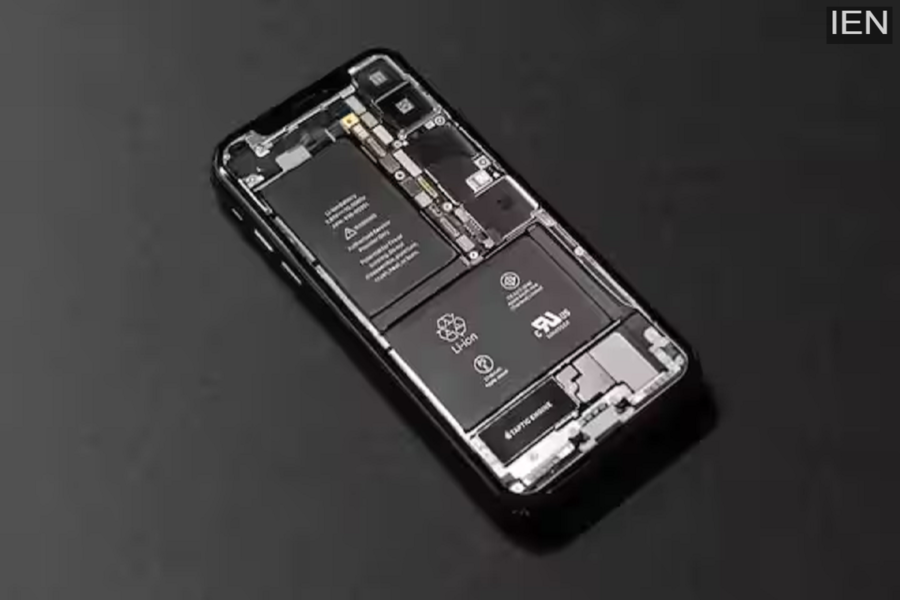
Smartphone Battery: The primary objective of this initiative is to reduce the growing volume of e-waste. Often, people replace their entire phone simply because the battery has failed, even though the rest of the device remains in perfect working order.
A major shift is on the horizon in the world of smartphones—one that could evoke nostalgia for the days gone by. There was a time when, if a phone's battery died, we could simply pop open the back cover and replace it ourselves. Now, that very convenience is poised to make a comeback. The European Union has implemented new regulations regarding smartphone manufacturing, aimed at making devices more durable and easier to repair.
In the near future, companies will be required to manufacture smartphones that users can easily open to replace the battery on their own. Currently, most phones are completely sealed units, making it difficult for the average person to remove the battery. However, once the new regulations take effect, this situation will change, and phones will become significantly more user-friendly.
These regulations are being implemented in a phased manner, and their full impact is expected to become evident by 2027. By then, companies must ensure that users can replace their batteries themselves using simple tools, without requiring any specialized technical expertise. Additionally, it will be mandatory to ensure that spare parts for these phones remain available in the market for an extended period.
The primary objective of this initiative is to curb the rising volume of electronic waste (e-waste). People often discard their entire phone merely because the battery has failed, even when the rest of the device is still functioning perfectly. If batteries can be easily replaced, the lifespan of the phone will increase, thereby reducing electronic waste. This will also help alleviate the pressure on natural resources.
The impact of these regulations will be clearly visible on major companies such as Apple, Samsung, and Xiaomi. They will be required to make significant changes to the design and manufacturing processes of their smartphones. Going forward, companies will need to focus on creating devices that are easily repairable.
For the average user, this change will prove to be highly beneficial. There will no longer be a need to purchase a brand-new phone simply because the battery has failed. Instead, people will be able to replace their batteries at a minimal cost and continue using their phones for a much longer period. This will not only result in financial savings but also reduce the need to purchase a new phone frequently.
However, this shift may also bring about certain challenges. Phones designed to be easily opened could be somewhat bulkier, and making them completely waterproof might prove to be a difficult task. Although this regulation is being implemented in Europe, its impact is expected to be felt across the globe. Since major companies typically avoid creating distinct designs for different markets, it is plausible that this change will eventually be reflected in smartphones worldwide.
